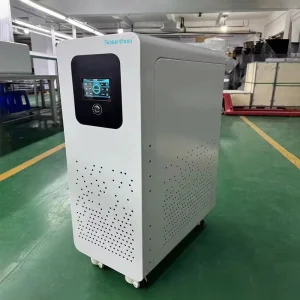
Explore our high-performance catalog engineered with advanced cell technology and safety systems.
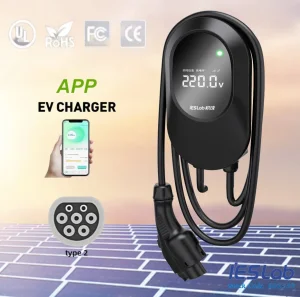
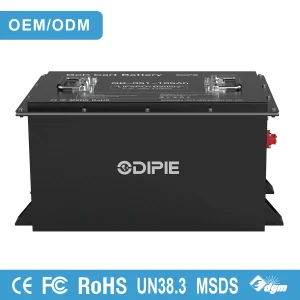
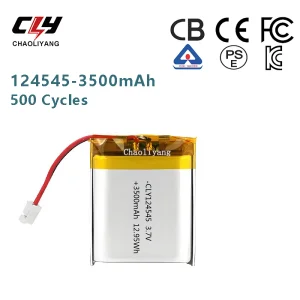
Forging high-performance Lithium and Thermal Management solutions to fuel the global green energy transition.
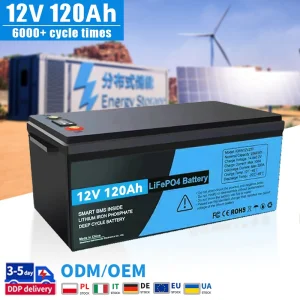
Established with a forward-looking vision to accelerate the global transition toward decarbonization and sustainable energy, Ningbo Sahnova Solar Co., Ltd. has grown into an industry-leading manufacturer specializing in state-of-the-art lithium battery solutions. Our comprehensive portfolio addresses critical demand in solar energy storage systems (ESS), advanced automotive starting/charging infrastructure, and high-safety e-mobility powertrains.
In our early developmental phases, Sahnova focused intensely on standard battery cell testing, basic integration protocols, and module assembly. By refining our competencies and closely monitoring real-world usage patterns, our engineering teams built deep-domain technical expertise in lithium pack architecture, battery management systems (BMS) logic development, and dynamic safety profiles. As global demand shifted toward higher-voltage residential setups, commercial-scale battery architectures, and utility microgrids, we actively expanded our industrial footprint.

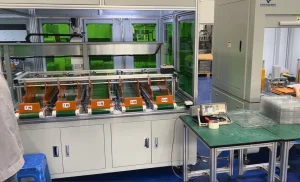
Today, our state-of-the-art factories employ automated assembly lines, high-precision laser welding, and automated optical inspection (AOI) setups. This investment ensures that every customized LiFePO4 battery pack, EV charging unit, and smart BMS meets strict safety margins. We integrate advanced thermal management solutions (BTMS) and proprietary BMS firmware to guarantee that each cell maintains thermal balance, preventing degradation and optimizing life expectancy.
By working with local grids, project developers, and EPC contractors, Sahnova has established itself as an authoritative partner in custom-engineered energy storage. Our technical support staff assist global clients in navigating regional grid interconnection codes, local standards compliance, and specific battery thermal profiles to secure peak performance under harsh environmental conditions.
How our Ningbo-based hub reduces lead times, controls raw material costs, and guarantees Grade-A cell quality.
Direct proximity to China's leading lithium carbonate refining clusters allows us to lock in material pricing, shielding global partners from volatile market fluctuations.
By using robotic cell sorting and automated wire bonding, we eliminate manual assembly errors, reducing cell-to-cell resistance variations below 0.2mΩ.
Our strategically situated facilities near Ningbo-Zhoushan port—the world's busiest cargo hub—streamline dangerous goods (Class 9) shipping protocols directly to your project sites.
For international procurers, sourcing battery energy storage systems (BESS) directly from a specialized Chinese manufacturer is not merely about finding a low-cost option. It is about accessing an entire industrial ecosystem. China manufactures more than 75% of the world's lithium-ion batteries and controls a massive portion of the upstream processing for anode, cathode, electrolyte, and separator components.
By cooperating with Ningbo Sahnova Solar, you connect directly to this advanced manufacturing supply chain. We maintain strict control over our inputs, ensuring we only source Grade-A, brand-new LiFePO4 cells with certified trace records. This focus on material traceability is critical for meeting international compliance standards and safeguarding project bankability during financial audits.
Addressing the critical metrics required by EPC contractors, project financiers, and utility buyers.
Commercial and industrial (C&I) enterprises require more than simple retail batteries; they require robust energy storage systems capable of maintaining operation under continuous load cycles. When procuring BESS solutions, sourcing managers look at key metrics to guarantee a low Levelized Cost of Storage (LCOS):
A stable battery system requires a balanced combination of three key areas: advanced cell chemistry, smart battery management software, and precise thermal control. Without this integration, even the highest-capacity battery cells can face premature aging, localized hotspots, or thermal runaway.
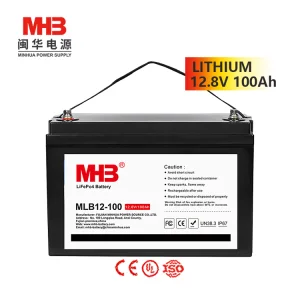
For stationary energy storage and heavy commercial applications, LiFePO4 (LFP) is the industry standard due to its excellent thermal stability, non-toxic composition, and low fire risk. LFP cells can withstand high temperatures without releasing oxygen, making them safer than alternative chemistries. For portable devices and compact consumer electronics, our high-temperature resistant 3.7V polymer lithium batteries provide high energy density in lightweight form factors.
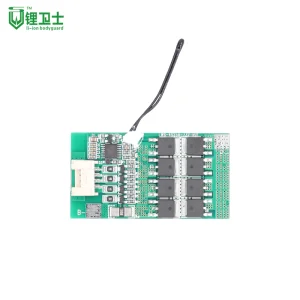
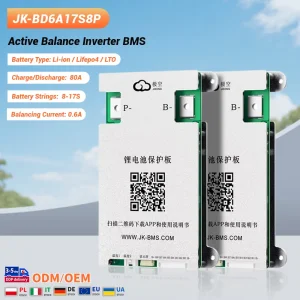
The Battery Management System (BMS) acts as the brain of the battery, monitoring parameters like cell voltages, currents, and temperatures. By integrating top-tier BMS options—such as the Jikong Jkbms Bd6a17s8p, which features a metal core PCB—we ensure real-time protection against over-voltage, under-voltage, over-current, and short circuits. Communicating via CANBus, Modbus TCP, or RS485, these systems provide operators with detailed insights into State of Charge (SOC) and State of Health (SOH).
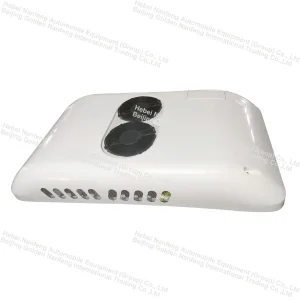
Operating batteries in extreme environments requires active temperature regulation. Our NF Rooftop Cooling Systems and liquid-glycol cold plate designs maintain battery packs within their sweet spot of 20°C to 30°C. By preventing localized hotspots, we help ensure uniform cell aging and maintain long-term warranty compliance.
Deploying renewable energy storage globally requires strict compliance with local regulations and grid standards. Different markets maintain specific technical requirements for grid connection, electromagnetic compatibility, and fire safety:
Ningbo Sahnova Solar assists clients through these certification processes. By providing complete technical documentation, test reports, and engineering data, we help developers obtain the necessary permits from local inspectors, utility operators, and insurance underwriters.
From commercial microgrids to heavy-duty industrial vehicles, our systems are built for diverse operating environments.
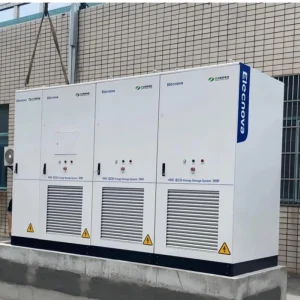
Our 200kW hybrid energy storage installations assist factories with peak shaving, load shifting, and emergency backup power during grid interruptions.
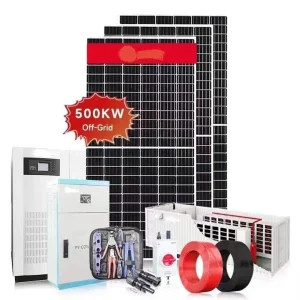
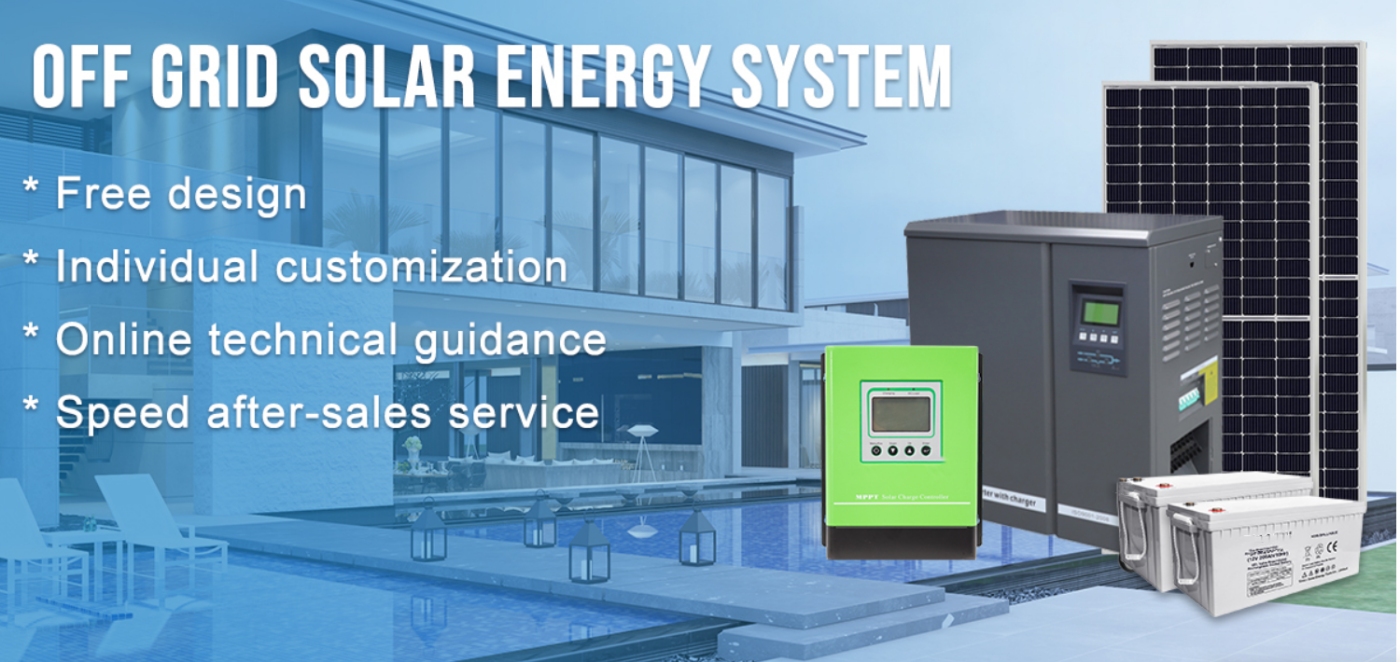
We provide stable power in remote areas using off-grid solar and battery storage solutions, reducing reliance on expensive diesel generators.
Our 48V and 80V LiFePO4 packs, equipped with CANBus monitoring and heating options, power golf carts, electric utility vehicles, and heavy forklifts.
The energy storage sector is evolving rapidly, driven by materials science innovations and digital integration. Key trends shaping the industry include:
Expert answers to common technical and logistical inquiries from enterprise buyers.
Standard production lead times range between 35 to 45 days after deposit confirmation. Custom configurations requiring specialized engineering drawings, custom sheet metal fabrication, or unique BMS communication testing may take 50 to 60 days.
We use only new, Grade-A cells from reputable manufacturers. Every incoming batch undergoes capacity verification, internal resistance testing, and open-circuit voltage checks. Cells are matched prior to pack assembly to ensure performance consistency across the module.
Yes, our smart BMS systems support CANbus and RS485 communication protocols compatible with major inverter brands, including Victron, Growatt, Deye, Luxpower, and SMA. Custom CAN protocols can be configured during the engineering phase.
Our systems include multiple layers of safety: cell-level vent valves, internal fuses, temperature monitoring at key points, automated BMS isolation switches, and built-in aerosol fire suppression systems within the cabinet.
Yes, we provide heating pads for packs deployed in cold climates. The BMS monitors system temperatures and routes power to the heating elements before charging begins, protecting the cells from cold-charging damage.
Explore our advanced battery systems, balancing modules, and off-grid solutions built for high-performance applications.
 Sahnova Solar