Explore our core engineering portfolio, featuring high-capacity deep-cycle gel batteries, precision metal enclosures, and heavy-duty smart charging grids.
An authoritative breakdown of life-cycle sustainability, circular economy principles, and next-generation battery chemistries.
As international regulatory frameworks enforce stricter carbon-neutral mandates, global enterprises are shifting procurement pipelines from legacy lead-acid structures toward high-performance, circular energy storage platforms. Eco-friendly battery technologies are no longer just an ESG checklist item; they represent the core infrastructure of modern industrial scalability. This white paper addresses the core parameters defining true eco-friendliness in electrochemical cells, covering raw material extraction, active cycling life, and end-of-life recycling pathways.
Analyzing the cradle-to-gate impact of battery cells. Real sustainability is measured by minimizing the environmental footprint of core materials like lithium, cobalt, and nickel while keeping round-trip energy efficiency above 95%.
Prioritizing easy disassembly, high secondary metal recovery rates, and non-toxic electrolytes (such as advanced gel matrices and lithium iron phosphate) that avoid contaminating groundwater systems.
Using digital monitoring systems to prevent cell degradation, optimize active cell balancing, and double the service life of standard electrochemical cells to reduce premature battery recycling needs.
"According to the Global Battery Alliance, establishing high-standard, transparent battery value chains is critical to reducing transportation sector greenhouse emissions by up to 30% by 2030."
China leads the world in battery manufacturing, supplying over 75% of global lithium-ion cells. This dominance is built on a highly integrated supply chain that spans raw material refining, cell production, automated battery pack assembly, and localized logistics.
Ningbo, a key hub for maritime trade and industrial manufacturing, leverages this ecosystem to deliver high-quality, cost-efficient energy solutions. By localizing raw materials and integrating active components directly with automated assembly lines, Chinese manufacturers provide substantial cost advantages without compromising on quality control.
For global buyers, this translates to faster turnaround times, comprehensive customization options, and compliance with strict international certifications like UL1973, CE, RoHS, and IEC62619.

LiFePO4 Lifecycle at 80% DoD
Automated Cell Matching Accuracy
Integrated Smart BMS Safety
Export Countries & Regions
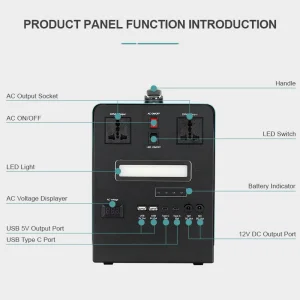
Custom-engineered power configurations tailored for telecom, commercial solar, rapid fleet charging, and personal electric mobility.
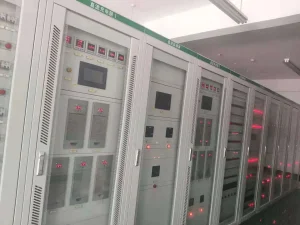
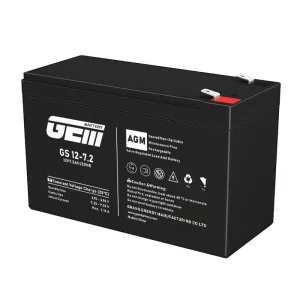
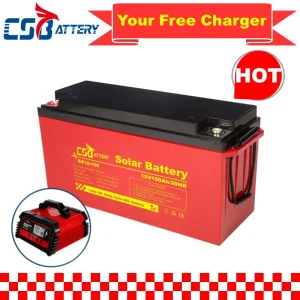
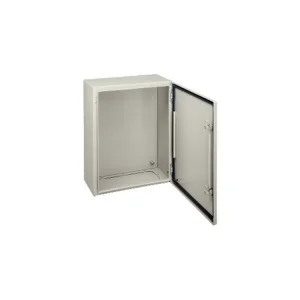
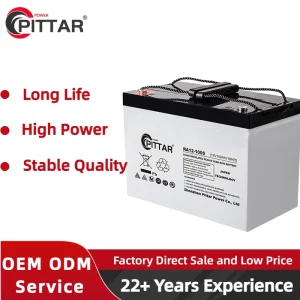
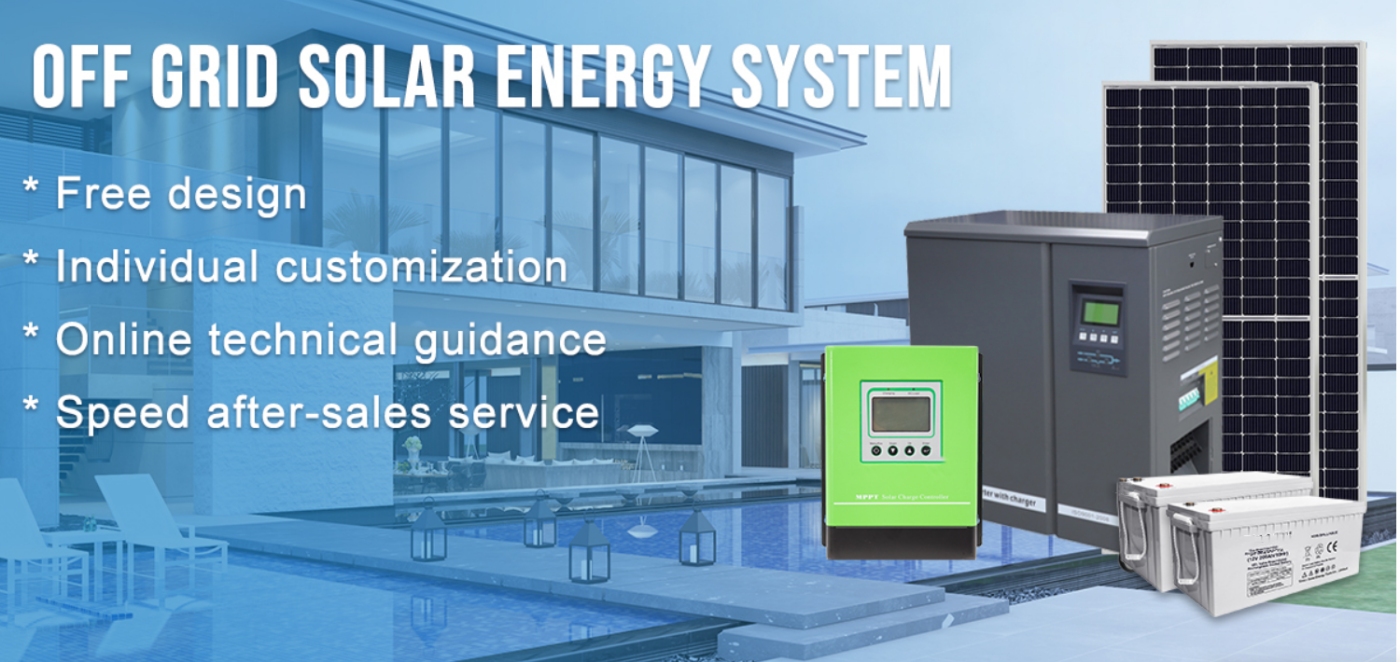
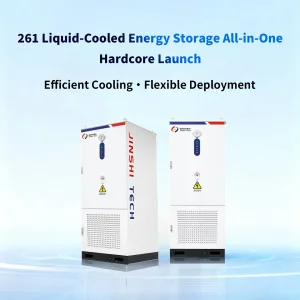
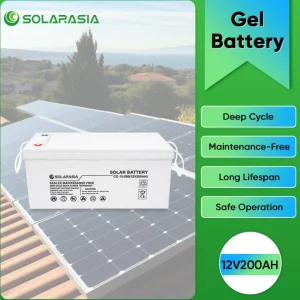
Supplying modular 125kW liquid-cooled outdoor cabinets and high-capacity 12V gel cells designed to handle peak load management, buffer unstable solar grids, and prevent voltage drops in heavy industrial environments.
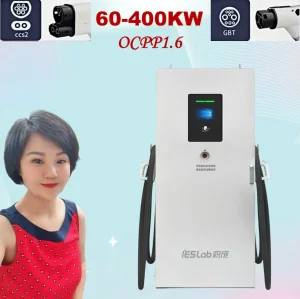
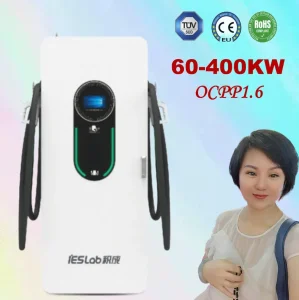
Integrated high-power DC EV charging systems (60kW-400kw) with OCCP1.6j protocols. Built to charge commercial electric vehicles quickly while managing site power distribution and thermal profiles dynamically.
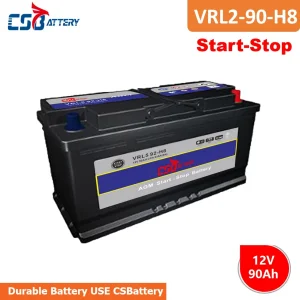
Using high-reliability AGM and lithium iron phosphate batteries to provide critical backup power, ensuring continuous operation for medical equipment, security networks, and data center servers.
Ningbo Sahnova Solar Co., Ltd. is a professional manufacturer specializing in lithium battery solutions for solar energy storage, automotive applications, and e-mobility systems. Established with a vision to support the global transition toward clean and sustainable energy, the company focuses on delivering high-performance, reliable, and safe battery products tailored to diverse application scenarios.
In its early development stage, Sahnova concentrated on basic battery assembly and integration services, gradually building technical expertise in lithium battery design and energy management systems. As demand for renewable energy and electric mobility grew, the company expanded its capabilities by investing in advanced production equipment, automated assembly lines, and rigorous quality control systems.
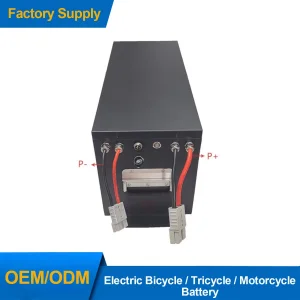
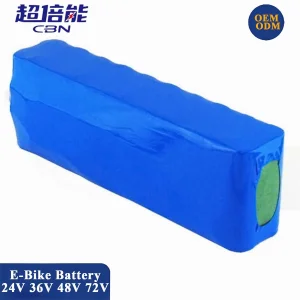
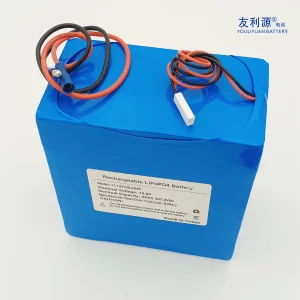
Today, Ningbo Sahnova Solar Co., Ltd. offers a wide range of lithium battery solutions, including energy storage battery packs, automotive starter batteries, and customized battery systems for electric bicycles and other mobility devices. The company integrates battery management systems (BMS) into its products to ensure optimal performance, safety, and longevity.
With a strong engineering team and a customer-oriented approach, Sahnova continues to provide customized solutions and technical support to clients worldwide. The company is committed to innovation, quality, and sustainability, striving to become a trusted global partner in the lithium battery and energy storage industry.
Get answers to common procurement questions about cell chemistry, shipping compliance, and BMS customization.
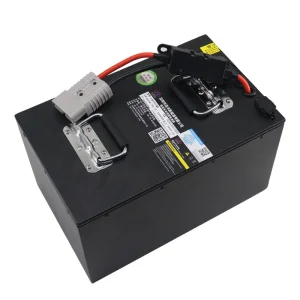
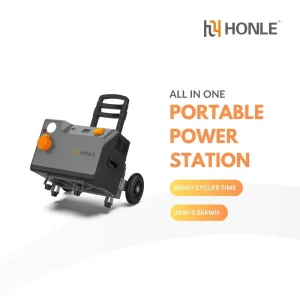
Explore our high-density lithium-ion packs, portable power stations, and advanced liquid-cooled storage solutions.
 Sahnova Solar