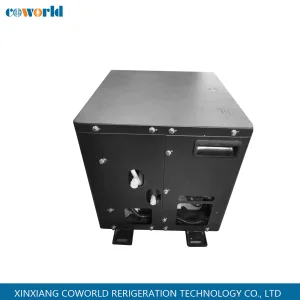
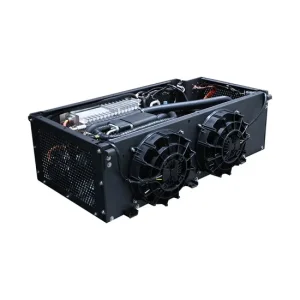
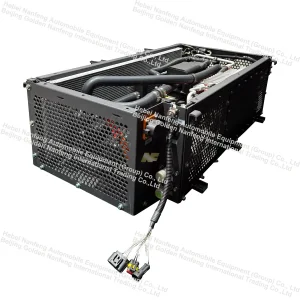
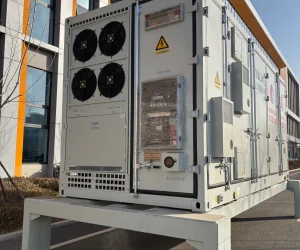
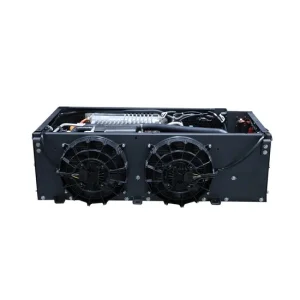
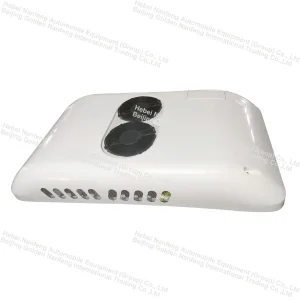
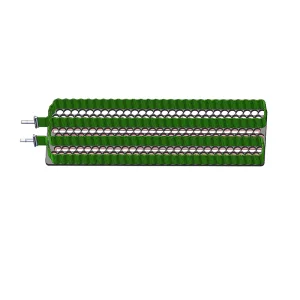
Factory Price Battery Thermal Management System with Ec Certificate

Still deciding? Get samples of $ !
Order Sample

Product Description

i
Basic Information
Model NO.
Battery Thermal Management System
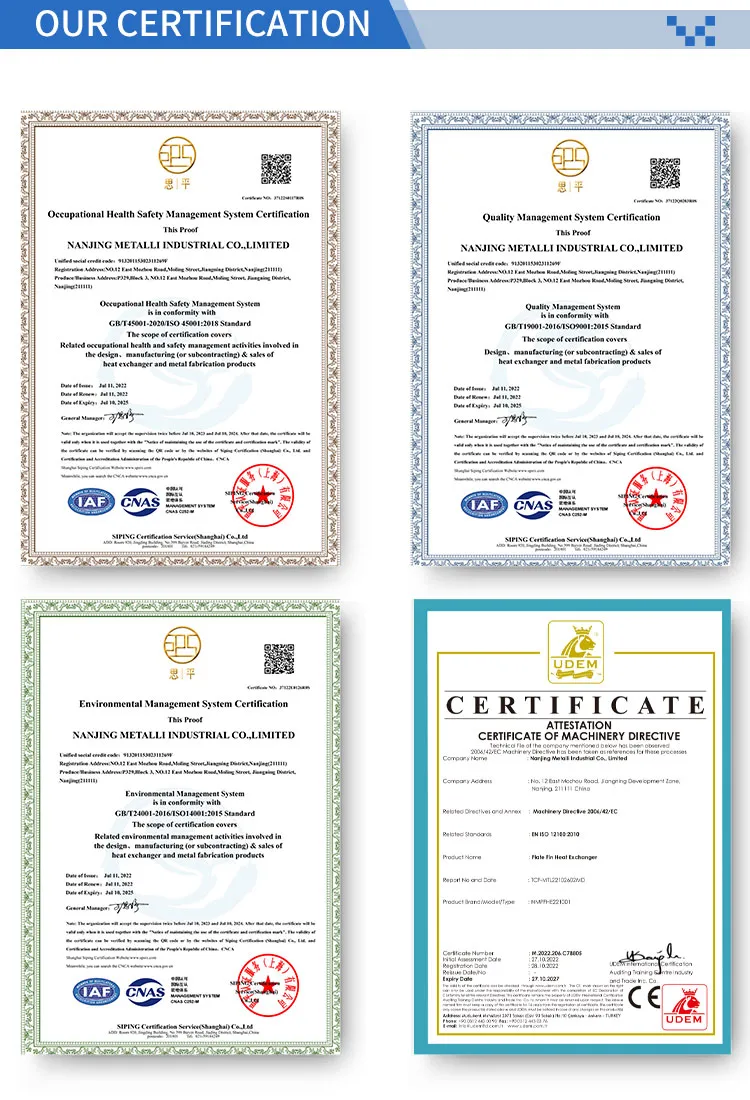
Certification
RoHS
Application
Oil Cooler, Water Chiller, Industrial Aircondition
Principle
Liquid Cooling or Custom Solutions
Material
Aluminum/Copper
Dimension
Max. 2000*1000*1000 mm
Cooling Capacity
1 to 10 Kw
Condition
New
Coolant Material
Water, Glycol, Refrigerant, or PCM
Main Technique
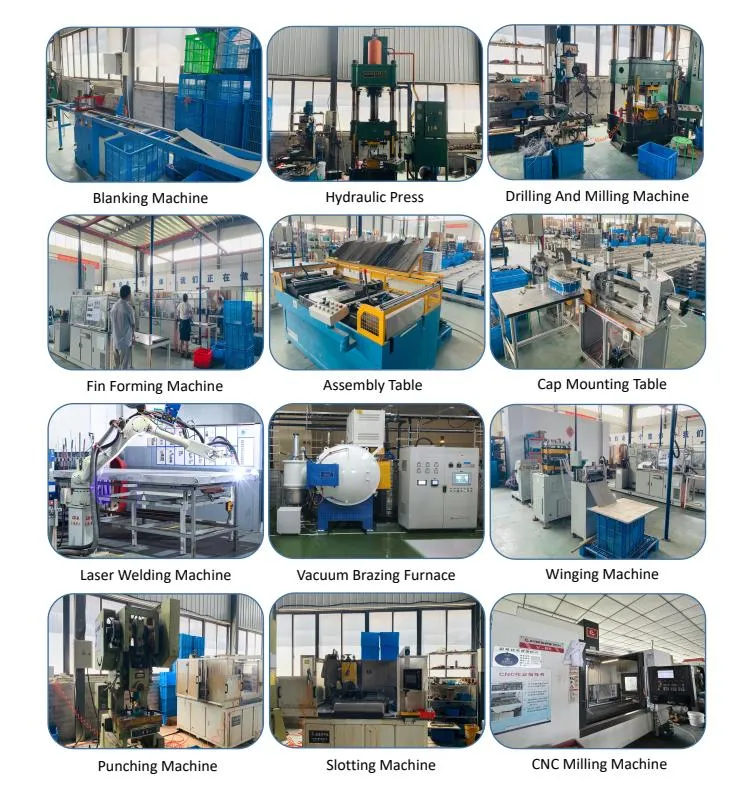
Vacuum Brazing & Arc Welding
Product Description
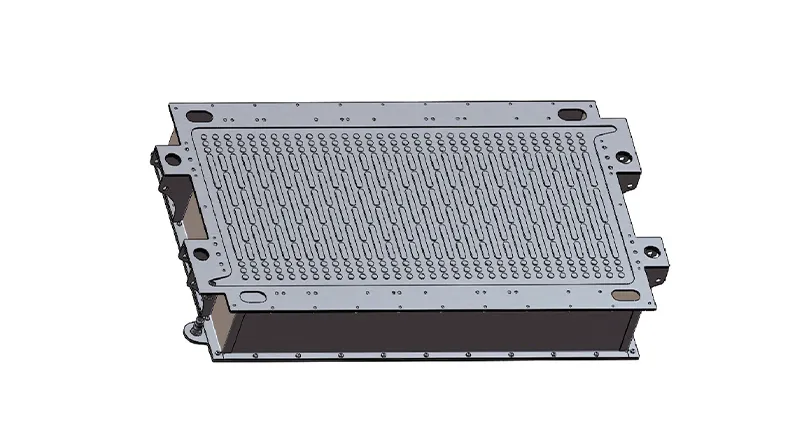
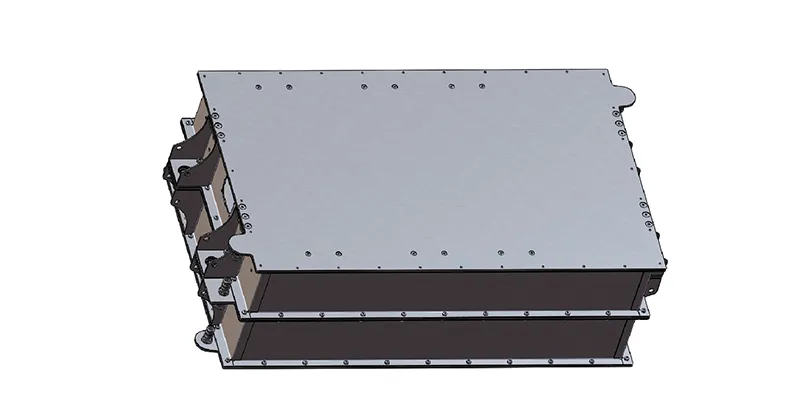
A Battery Thermal Management System (BTMS) helps to maintain a battery pack at its optimal temperature range of 20° to 45° C regardless of ambient temperature. Design solutions are available for both active and passive cooling circuits to ensure performance and cycle life of the battery pack.
Product NameBattery thermal management system
DimensionMax. 2000*1000*1000 mm
MaterialAluminum alloy or copper for cooling elements
Cooling capacity1 to 10 KW
Cooling methodLiquid cooling or other custom cooling solutions
Coolant materialWater, glycol, refrigerant, or PCM, etc
Total System weightBelow 60 kgs
System Elements & Types
Main Elements Include:

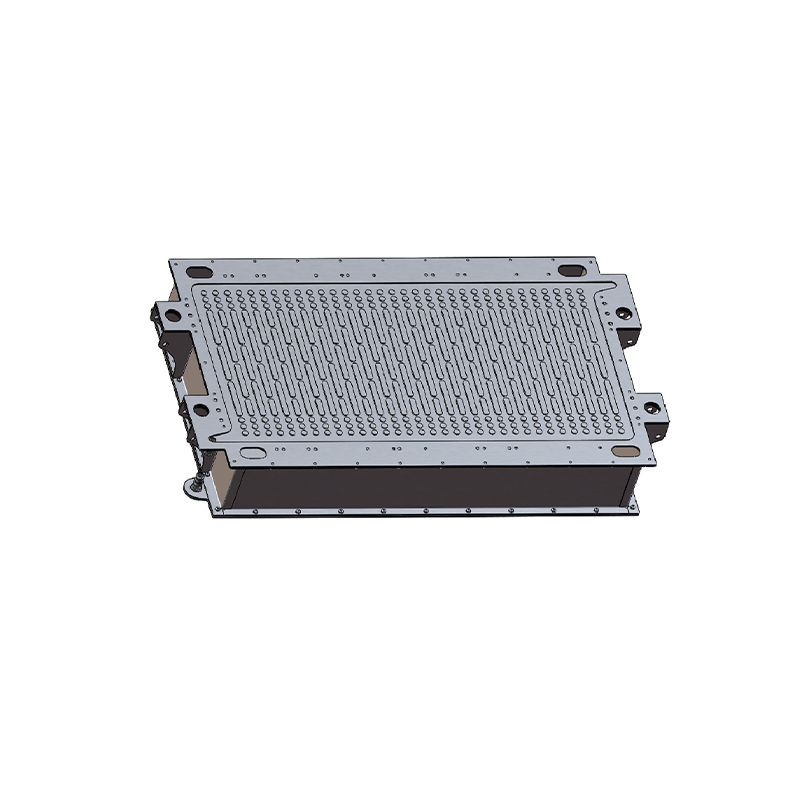
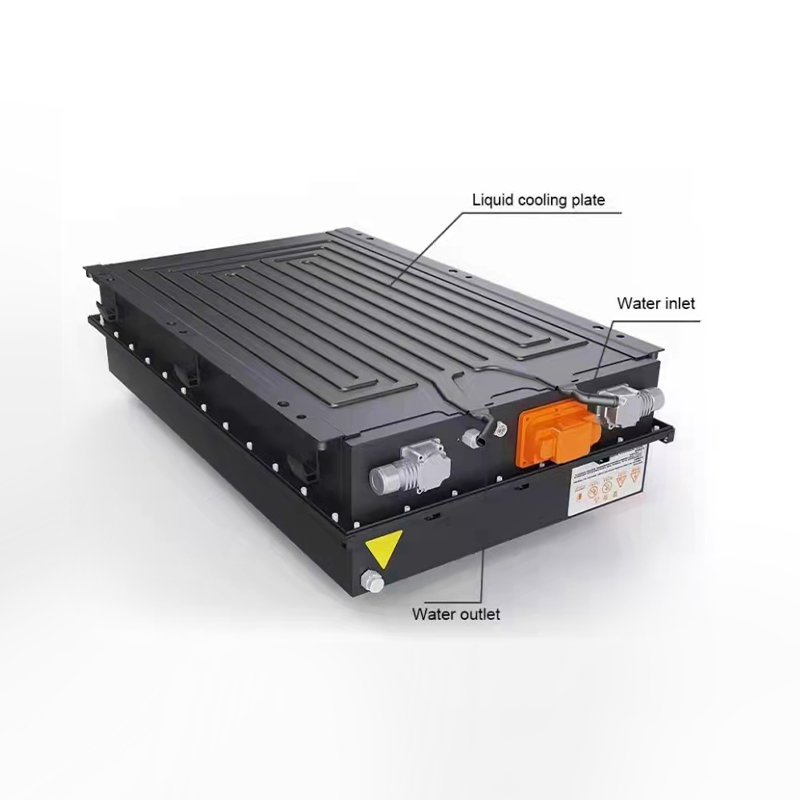
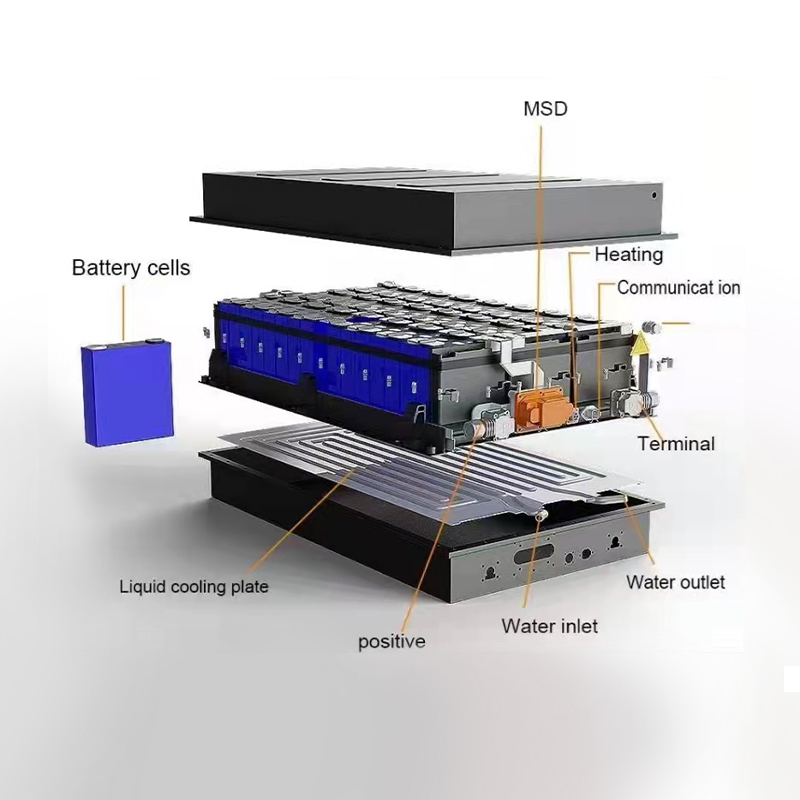
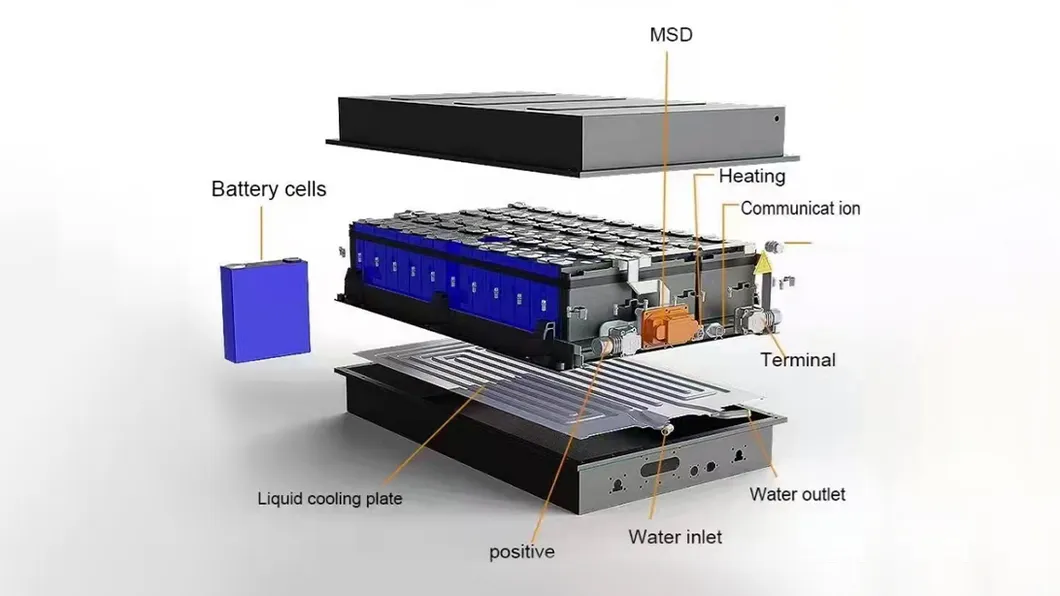
1. Cooling plate | 2. Chiller unit | 3. Radiator with fan and pump | 4. Controller (temperature or flow rate) | 5. Accessories (hoses, clamps, housing, valves).
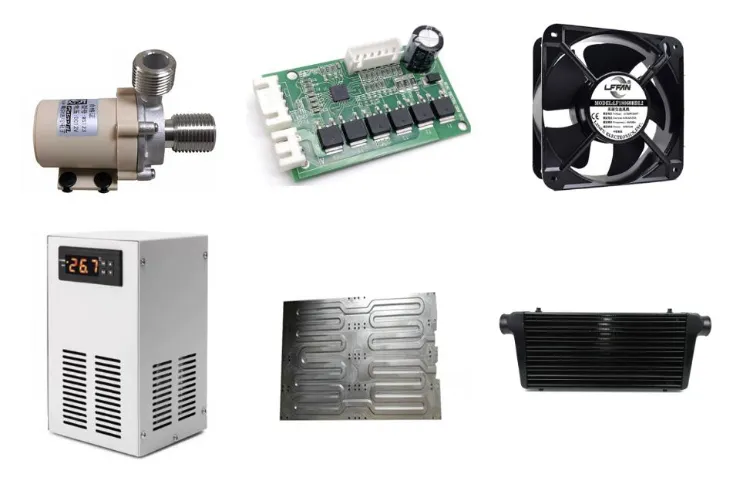
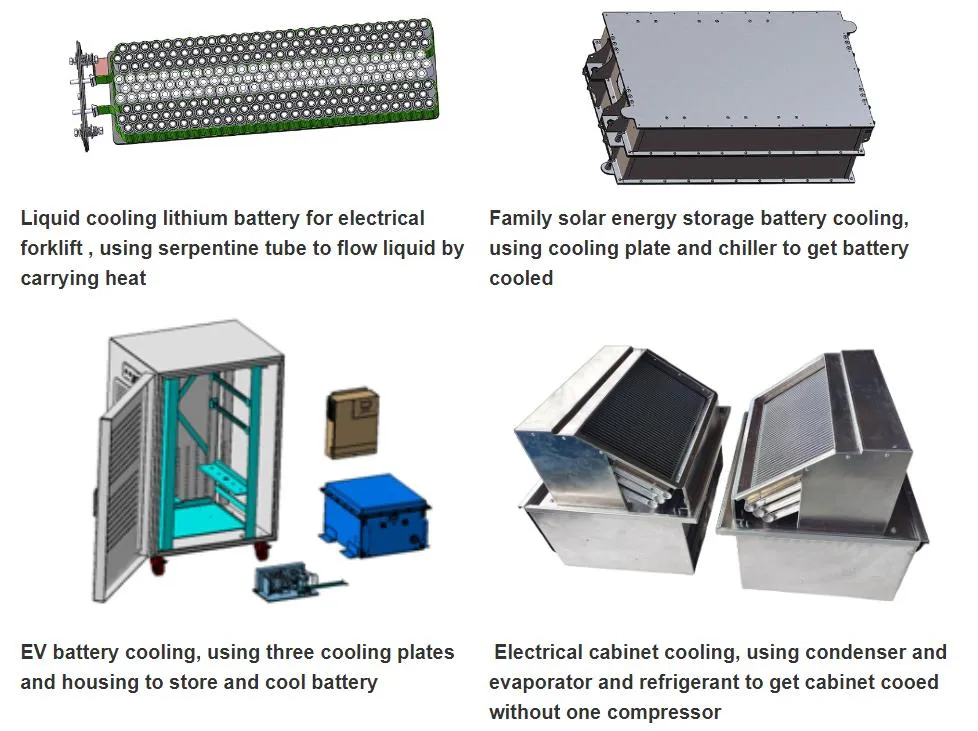
Typical Cooling Solutions:
  • Air cooling: Fan and heat sink.
  • Liquid cooling: Cooling plate, radiator, fan, pump, and controller.
  • Advanced Liquid cooling: Cooling plate, chiller, and controller device.
  • 2-phase change cooling: Cooling plate and condenser.
  • Refrigerant cooling: Cooling plate, condenser, and compressor.
  • Custom solutions: Immersion cooling.
Frequently Asked Questions
What is the optimal temperature range for vehicle battery packs?
The optimal temperature range is typically between 20°C and 45°C. Maintaining this range ensures the battery's performance and extends its cycle life.
What cooling capacities are available for these systems?
Our systems offer a cooling capacity ranging from 1 to 10 kW, with typical applications providing around 6 kW at 45°C ambient temperature.
What are the main cooling methods used in BTMS?
Common methods include air cooling, liquid cooling (using radiators or chillers), two-phase change cooling, refrigerant cooling, and custom immersion cooling solutions.
Can the system provide heating as well as cooling?
Yes, the system can include electric heating capabilities ranging from 2 to 12 kW to maintain battery temperatures in cold environments down to -20°C.
What voltages are supported by the management system?
The systems are designed to operate with native vehicle voltages, including High Voltage (400 - 800 VDC) and Low Voltage (12 or 24 VDC) options.
What materials are used for the cooling elements?
The cooling elements are primarily constructed from high-quality aluminum alloys or copper to ensure efficient thermal conductivity.

Related Products