Basic Information
Model NO.
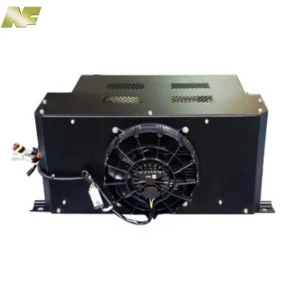
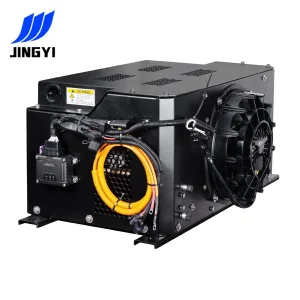
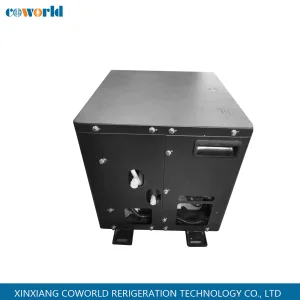
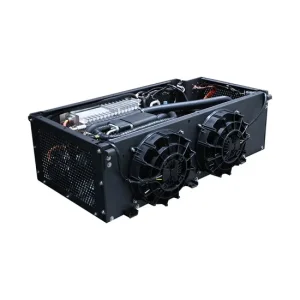
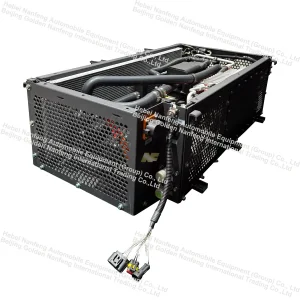
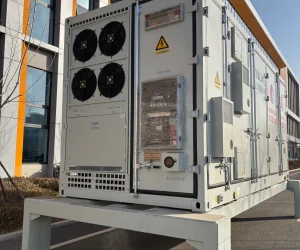
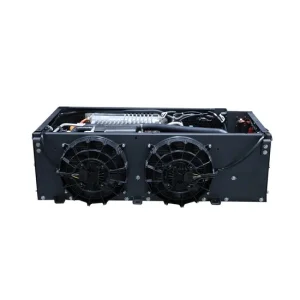
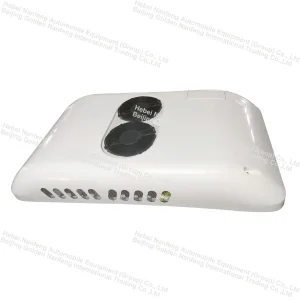
battery thermal management system
Single Package
Carton Box, Plastic Box
Near Port
Shanghai, Ningbo
Production Capacity
2000000m/Day
Packaging & Delivery
Package Size
20.00cm * 20.00cm * 20.00cm
Lead Time
3 days (1 - 100 Pieces)
Product Overview
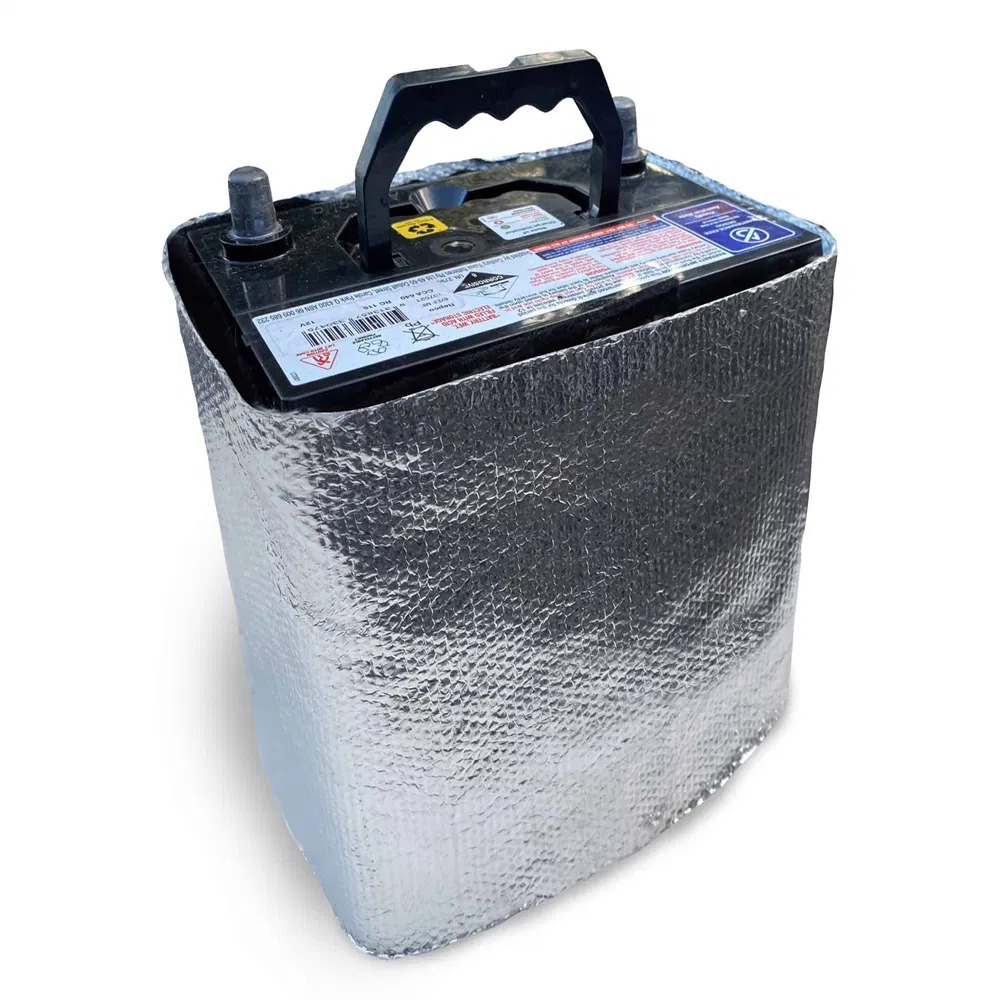
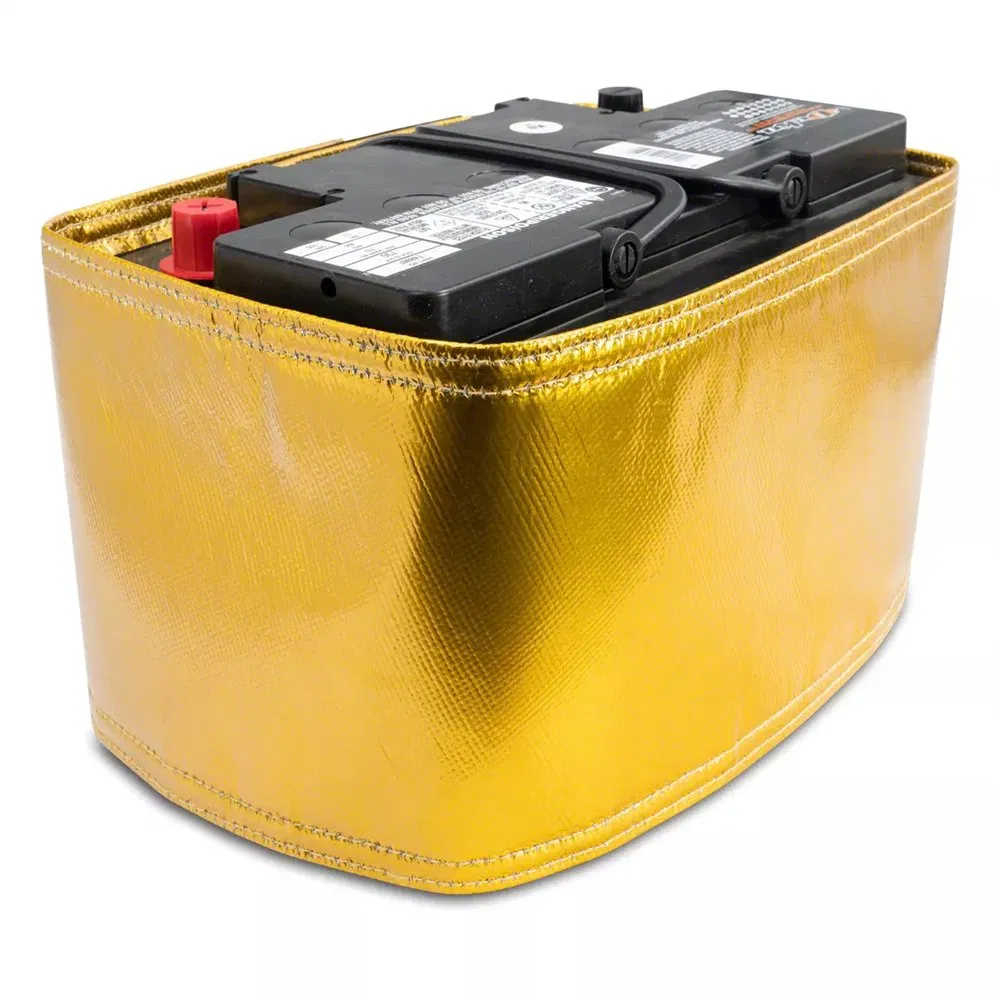
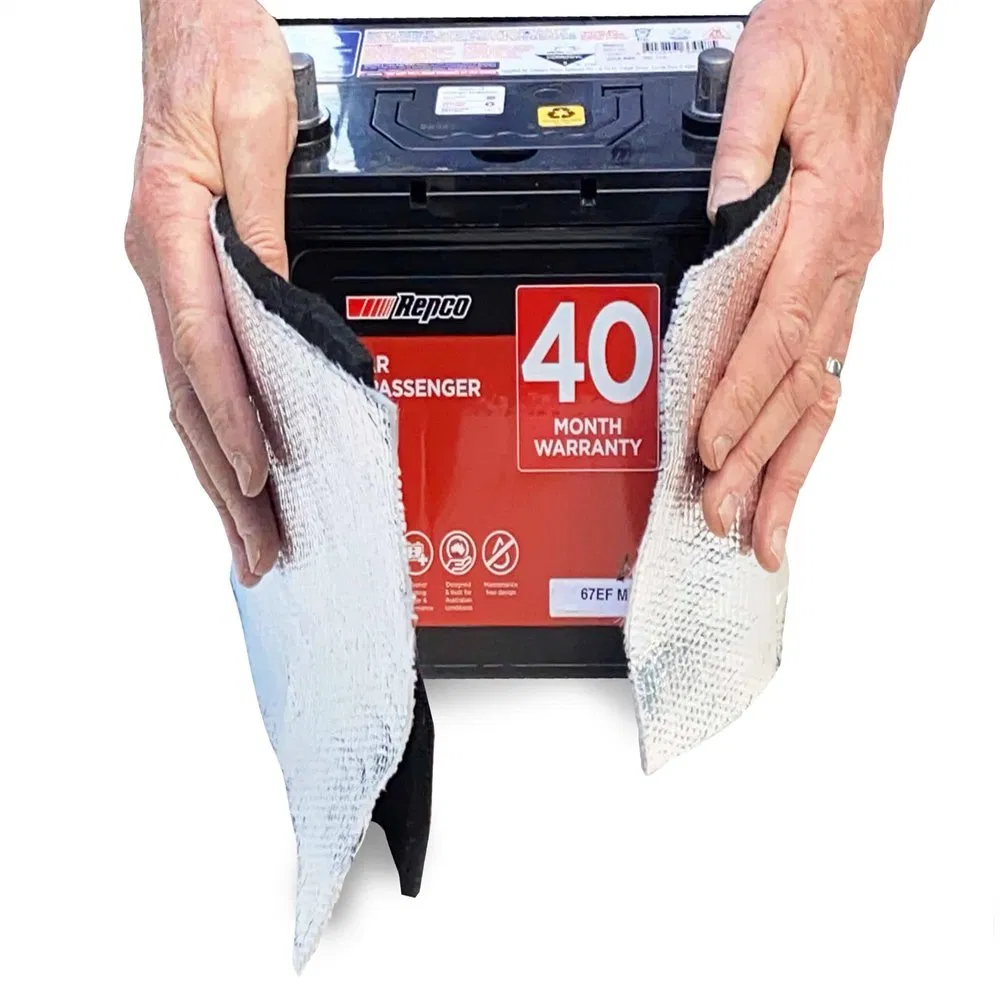
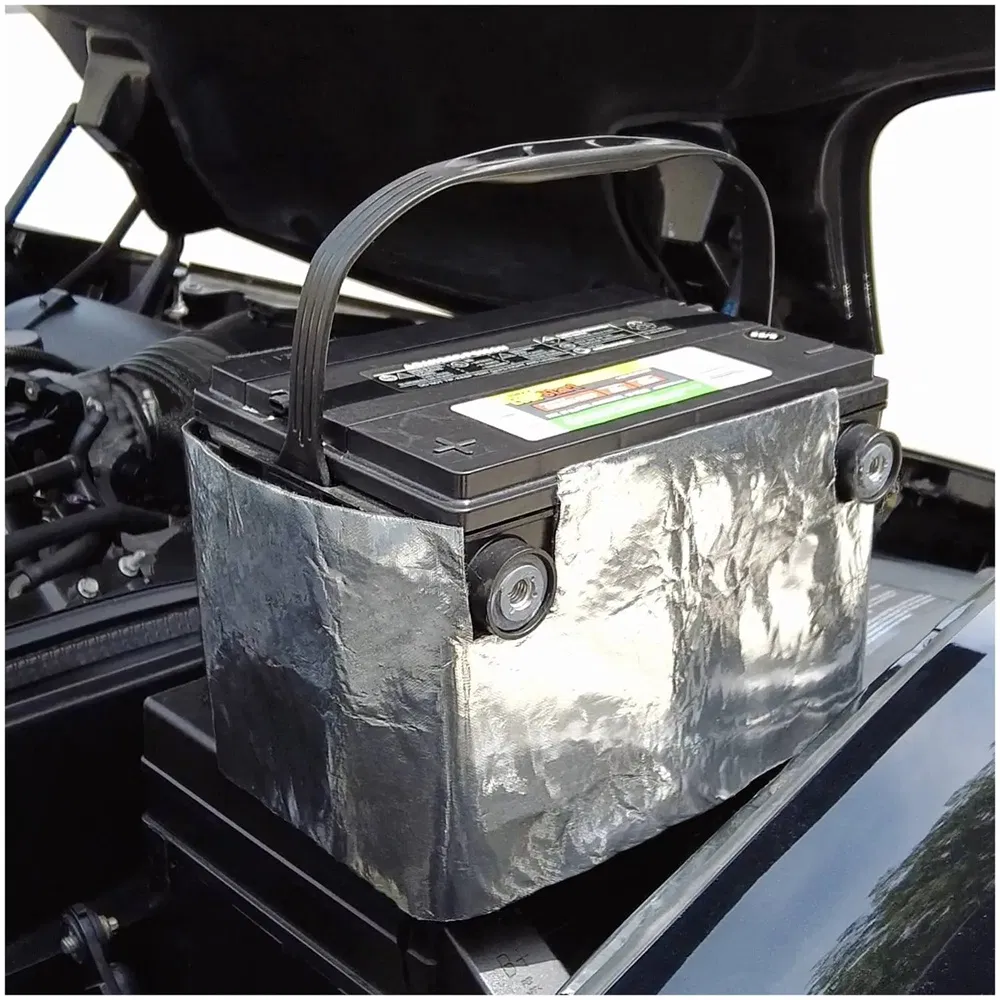
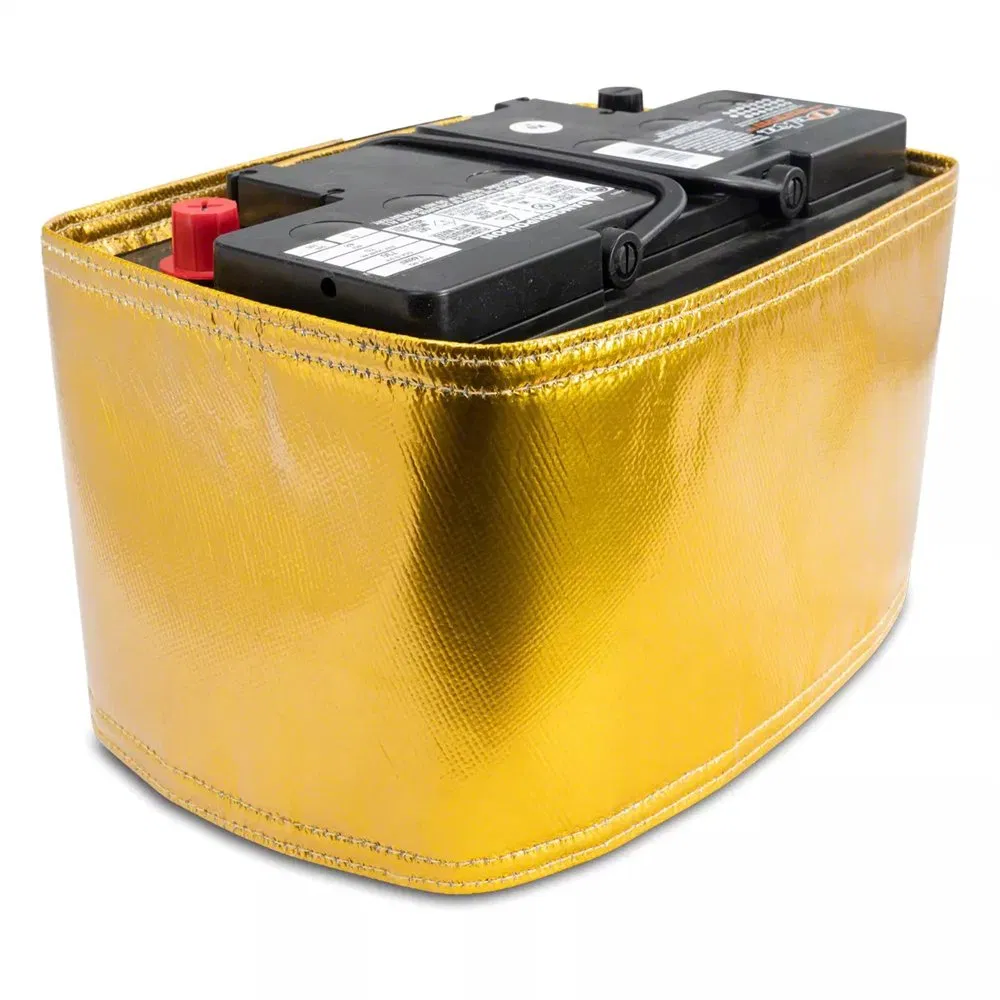
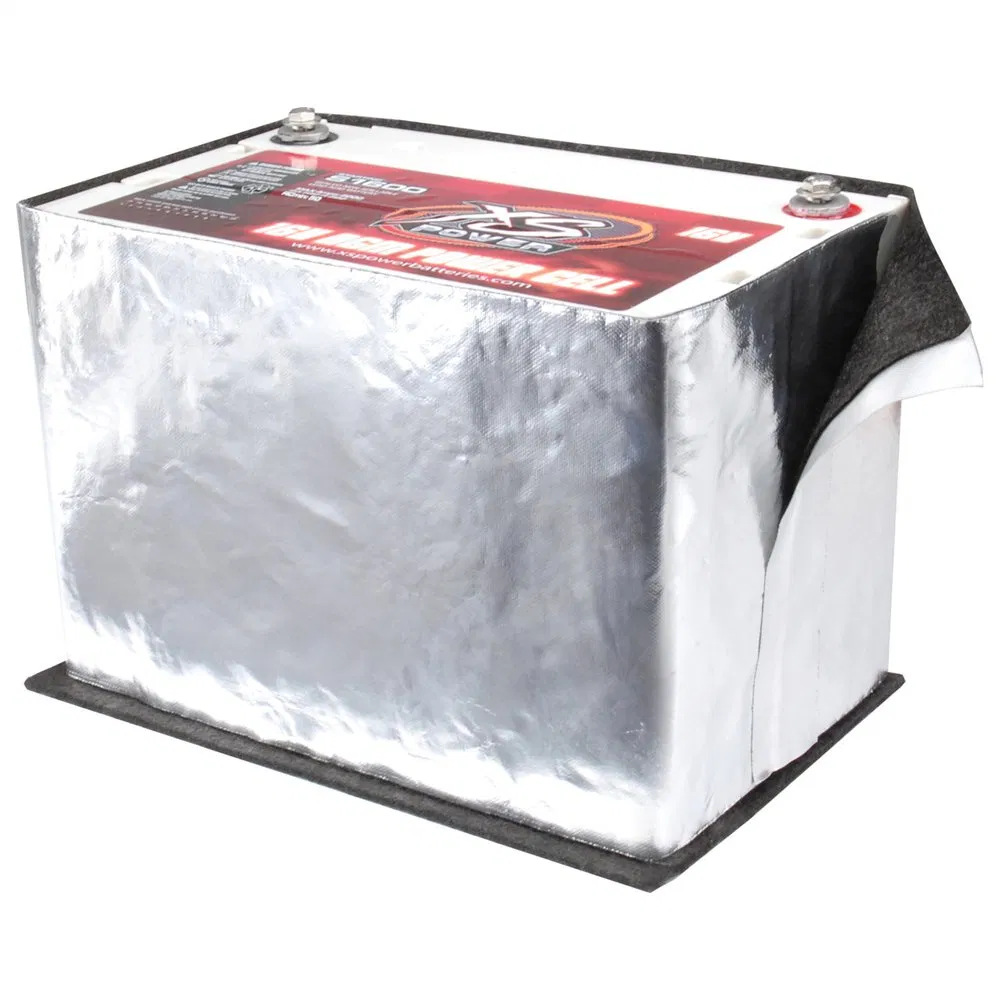
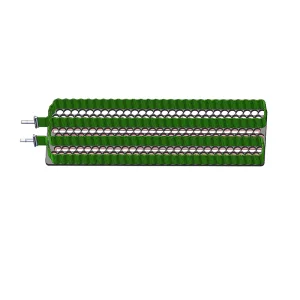
The automotive battery thermal management system (BTMS) is designed to provide effective heat control, thermal insulation, and safety protection for electric vehicle (EV) battery packs operating under varied and demanding conditions.
This system integrates radiant heat shields, high-temperature insulation materials, and protective barriers to maintain optimal battery temperature, reduce heat transfer, and support EV battery safety and durability.
System Architecture & Functional Layers
| System Layer |
Material Options |
Primary Function |
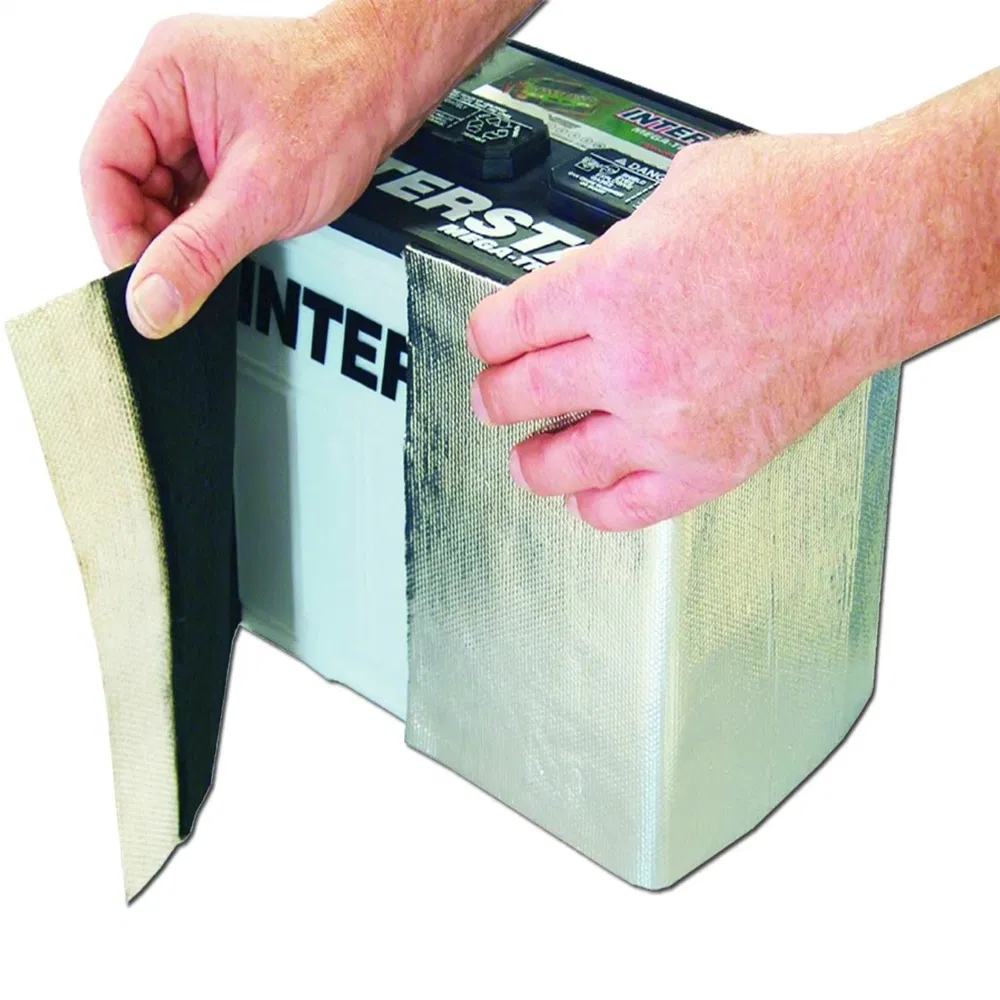
| Heat Reflective Shield | Aluminum foil / aluminized fabric | Reflects radiant heat |
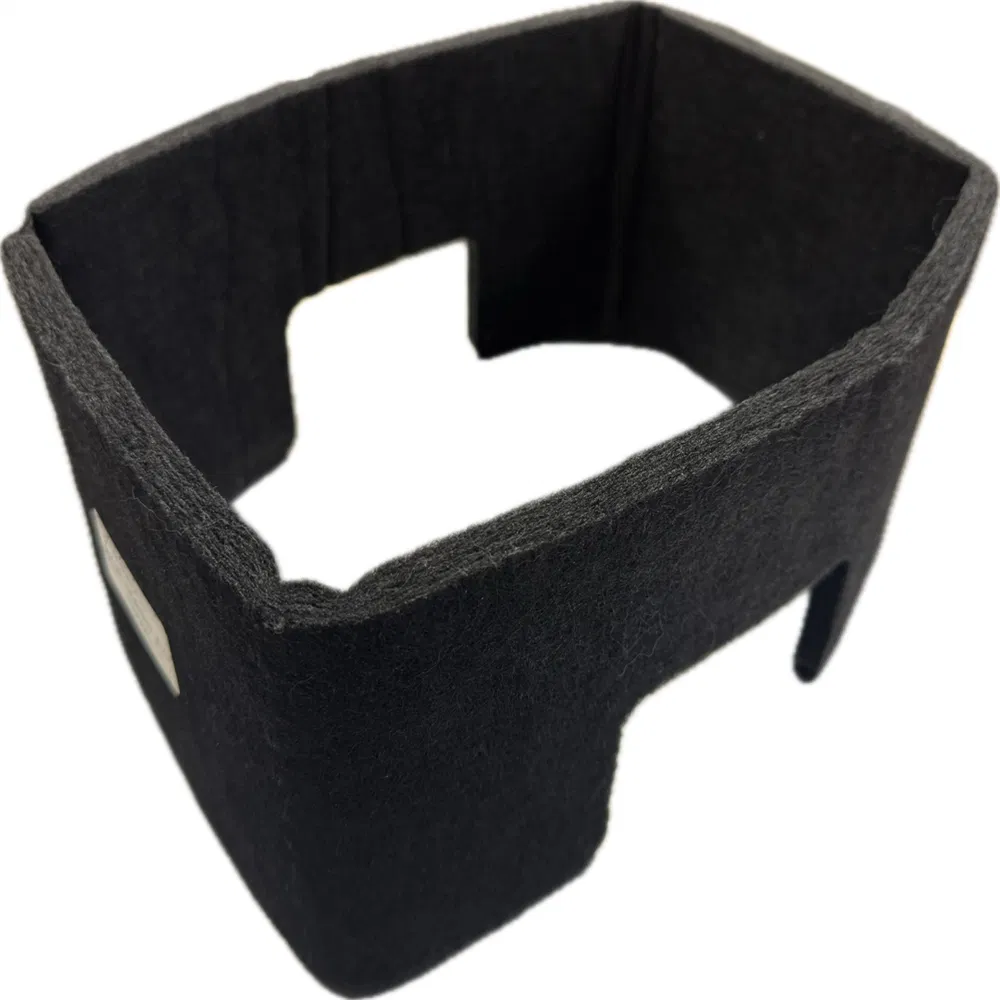
| Thermal Insulation Core | Fiberglass / basalt / silica | Limits heat transfer |
| Fire Protection Layer | Fire-resistant textile | Delays flame & heat spread |
| Safety Barrier (Optional) | Acid / electrolyte absorbing layer | Chemical containment |
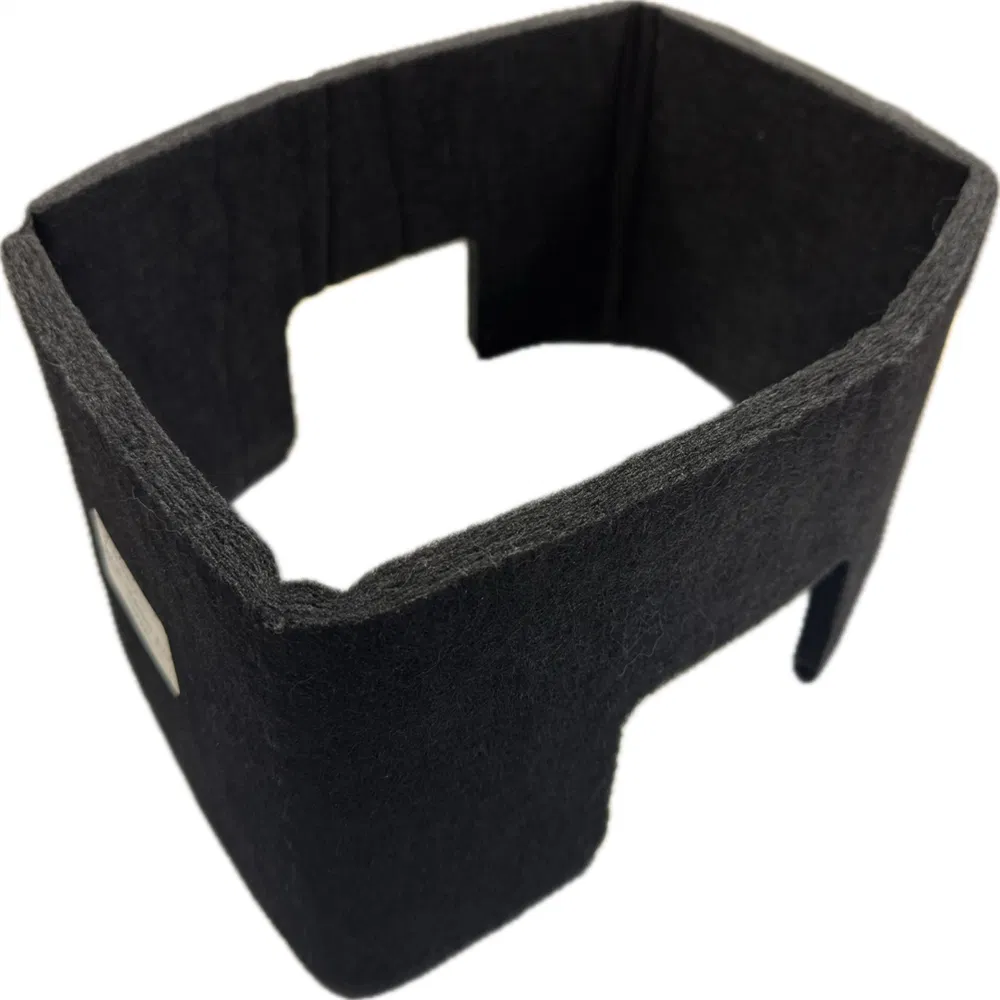
| Protective Liner | Heat-resistant fabric | Surface & mechanical protection |
| System Form | Wrap / blanket / pad / liner | Flexible integration |
Thermal Management Performance
| Performance Aspect |
Capability |
| Temperature Control | Stabilizes battery operating range |
| Heat Resistance | High-temperature EV grade |
| Radiant Heat Reduction | Excellent |
| Thermal Insulation | Effective heat isolation |
| Fire Resistance | Enhanced battery safety |
| Chemical Compatibility | Suitable for lithium-ion systems |
| Lightweight Design | Minimal impact on vehicle range |
Why Battery Thermal Management Is Critical
| Thermal Challenge |
BTMS Benefit |
| External Heat Exposure | Blocks radiant & conducted heat |
| Local Hot Spots | Improves temperature uniformity |
| Thermal Runaway Risk | Delays propagation |
| Battery Aging | Extends service life |
| Safety Compliance | Supports EV safety requirements |
System Configuration Options
| Configuration Type |
Description |
Typical Application |
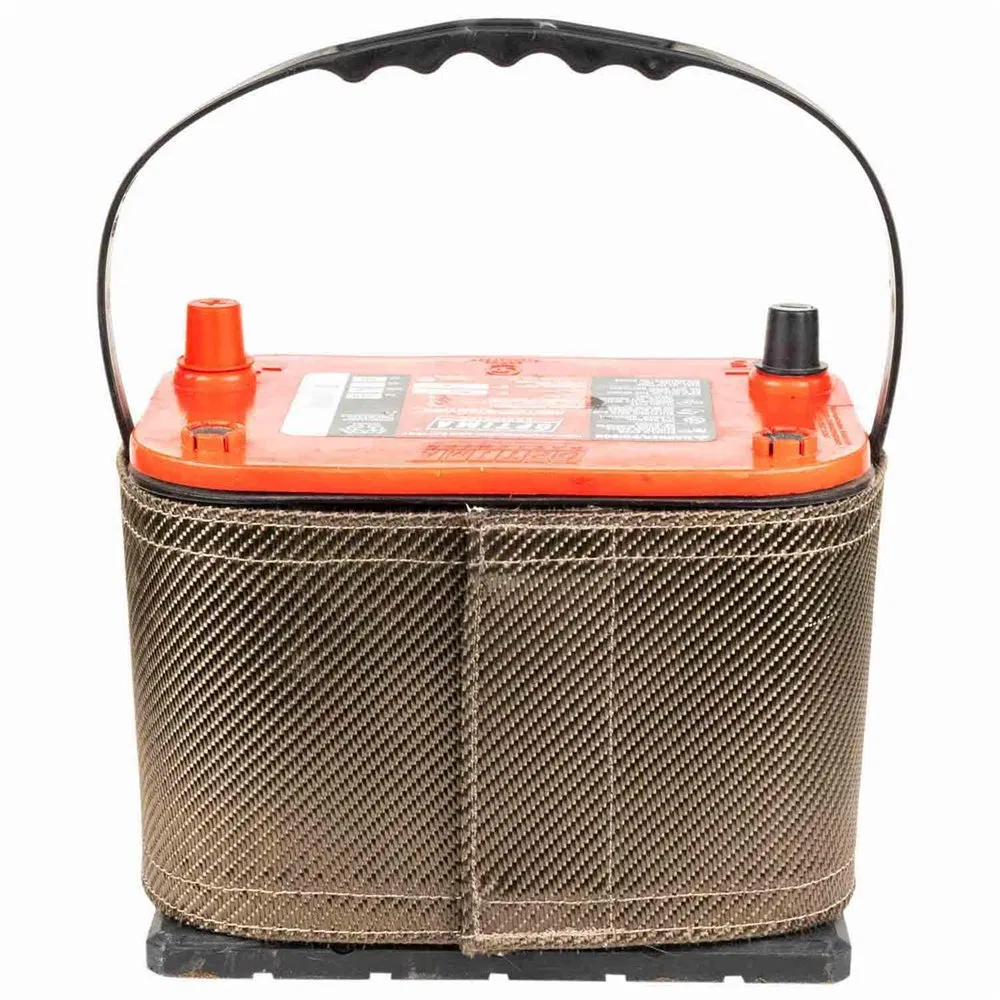
| Battery Pack Wrap | Flexible multi-layer wrap | Full pack thermal control |
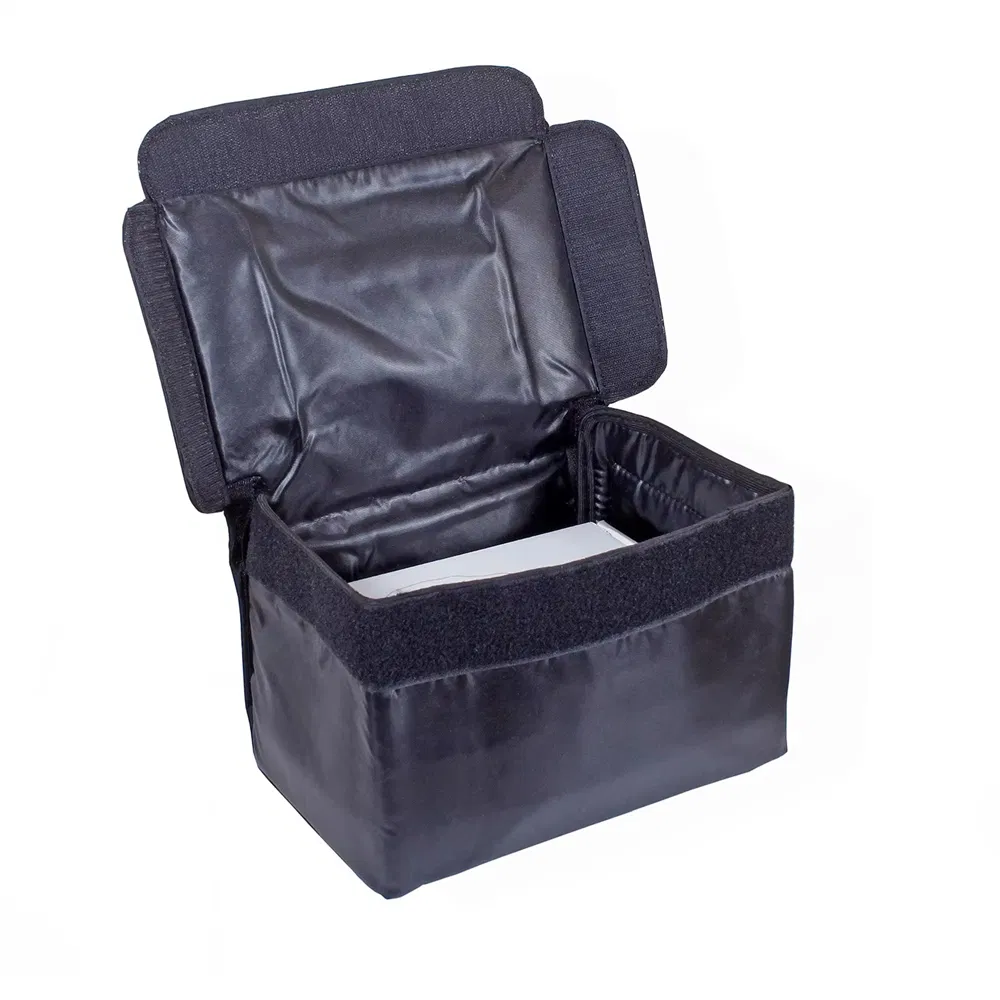
| Insulation Blanket | Large-area thermal barrier | Battery enclosure |
| Heat Shield Pad | Flat or die-cut pad | Battery lid / cover |
| Modular Liner | Sectioned insulation components | OEM battery design |
Typical Applications
| Application Area |
Battery System |
| Passenger Electric Vehicles | Lithium-ion battery packs |
| Commercial EVs | Large battery modules |
| Trucks & Buses | High-capacity battery systems |
| Marine EV Platforms | Enclosed battery compartments |
| Automotive Energy Systems | Vehicle-mounted ESS |
Technical Specifications
| Item |
Description |
| Product Type | EV Battery Thermal Management System |
| Base Materials | Fiberglass / Basalt / Silica |
| Reflective Layer | Aluminum foil (optional) |
| Temperature Resistance | High-temperature automotive grade |
| Customization | Supported |
| OEM & Project Supply | Available |
Application Notice: This thermal management system should be integrated as part of a complete EV battery thermal strategy, considering cooling design, airflow, spacing, and electrical safety standards.
Frequently Asked Questions
What is the primary function of an EV Battery Thermal Management System?
The system is designed to maintain the battery pack within its optimal temperature range by providing heat insulation, reflecting radiant heat, and delaying flame propagation in case of emergencies.
What materials are typically used in these thermal barriers?
We utilize high-grade materials including fiberglass, basalt, and silica, often combined with aluminum foil or aluminized fabrics for superior heat reflection and insulation core performance.
Can the system be customized for specific vehicle battery designs?
Yes, we support full customization including material selection, layer thickness, and die-cut or pre-shaped parts to fit specific OEM battery enclosures and vehicle architectures.
How does this system improve battery safety?
By acting as a fire-resistant barrier and reducing hot spots, the system significantly delays the propagation of thermal runaway, providing more time for safety protocols to engage.
Is the system compatible with all types of EV batteries?
Our solutions are compatible with a wide range of systems, including lithium-ion battery packs used in passenger cars, commercial trucks, buses, and marine EV platforms.
Does adding a thermal wrap impact the vehicle's range?
The system features a lightweight design specifically engineered to minimize impact on the overall vehicle weight and driving range while maximizing thermal efficiency.
 Sahnova Solar