Engineered for high-temperature resilience and rugged island terrains
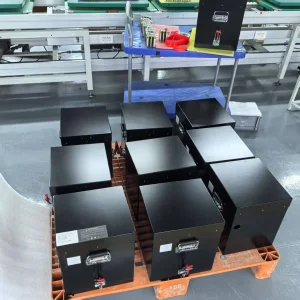
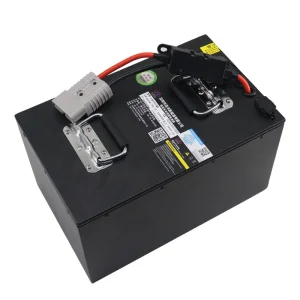
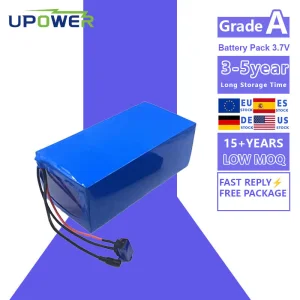
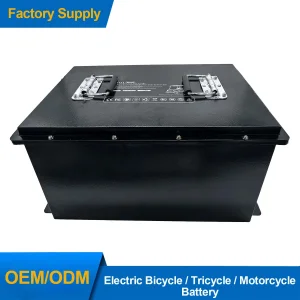
Kiribati, an archipelagic nation composed of 32 atolls and one raised coral island spanning across the equator, faces some of the most critical energy and climate challenges in the world. With traditional transport highly dependent on expensive imported fossil fuels, the transition to light electric vehicles (LEVs)—specifically electric motorcycles, e-scooters, and utility cargo bikes—has emerged as a strategic national priority.
However, the equatorial environment in South Tarawa, Betio, and outer islands presents a hostile operating landscape for standard lithium batteries. High ambient temperatures averaging 31°C, intense tropical humidity, and ambient salt-mist corrosion pose serious risks of thermal runaway, internal impedance degradation, and structural corrosion in battery enclosures.
To succeed in this market, municipal authorities, fleet managers, and private importers in Kiribati require industrial-grade electric motorcycle battery packs constructed with robust hermetic sealing, specialized thermal management systems, and smart Battery Management Systems (BMS) optimized for solar charging inputs.
Request Technical ConsultingAn engineering comparison of performance under sustained tropical operating conditions
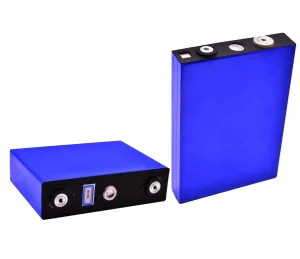
The safest, longest-lasting chemistry available. Capable of over 3000 to 5000 full charge-discharge cycles. Extremely stable under high temperatures up to 60°C, making it the perfect choice for utility bikes and cargo electric motorbikes operating in South Tarawa.
Offers higher energy density, delivering lighter packs with longer range per charge. Excellent for high-speed electric motorcycles or lightweight commuter scooters navigating betio and urban corridors where space and weight are strictly limited.
Regardless of chemistry, the humid coastal atmosphere of Kiribati requires premium mechanical protection. Stainless steel or marine-grade aluminum alloy enclosures with pressure relief valves are mandatory to prevent gas build-up while keeping water out.
| Battery Parameter | Standard Li-ion (18650 / 21700) | Heavy-Duty LiFePO4 Pack | Sahnova Tropicalized Custom Pack |
|---|---|---|---|
| Nominal Voltage Options | 36V / 48V / 60V / 72V | 12V / 24V / 48V / 60V / 72V | Customized 12V to 96V Systems |
| Cycle Life (80% DoD) | 800 - 1,200 Cycles | 2,500 - 4,000 Cycles | Up to 5,000+ Cycles (Grade-A Cells) |
| Max Operating Temperature | 45°C | 55°C | 65°C (Equipped with Active Smart BMS) |
| Enclosure Protection Class | IP54 / IP65 | IP65 / IP66 | IP67 / IP68 (Salt-Spray Resistant) |
| BMS Protection Protocol | Basic Over-current / Over-voltage | Standard Dual-Temp Sensor BMS | Smart Bluetooth BMS / Active Equalization |

Ningbo Sahnova Solar Co., Ltd. is a professional manufacturer specializing in lithium battery solutions for solar energy storage, automotive applications, and e-mobility systems. Established with a vision to support the global transition toward clean and sustainable energy, the company focuses on delivering high-performance, reliable, and safe battery products tailored to diverse application scenarios.
In its early development stage, Sahnova concentrated on basic battery assembly and integration services, gradually building technical expertise in lithium battery design and energy management systems. As demand for renewable energy and electric mobility grew, the company expanded its capabilities by investing in advanced production equipment, automated assembly lines, and rigorous quality control systems.
Today, Ningbo Sahnova Solar Co., Ltd. offers a wide range of lithium battery solutions, including energy storage battery packs, automotive starter batteries, and customized battery systems for electric bicycles and other mobility devices. The company integrates battery management systems (BMS) into its products to ensure optimal performance, safety, and longevity.
With a strong engineering team and a customer-oriented approach, Sahnova continues to provide customized solutions and technical support to clients worldwide. The company is committed to innovation, quality, and sustainability, striving to become a trusted global partner in the lithium battery and energy storage industry.
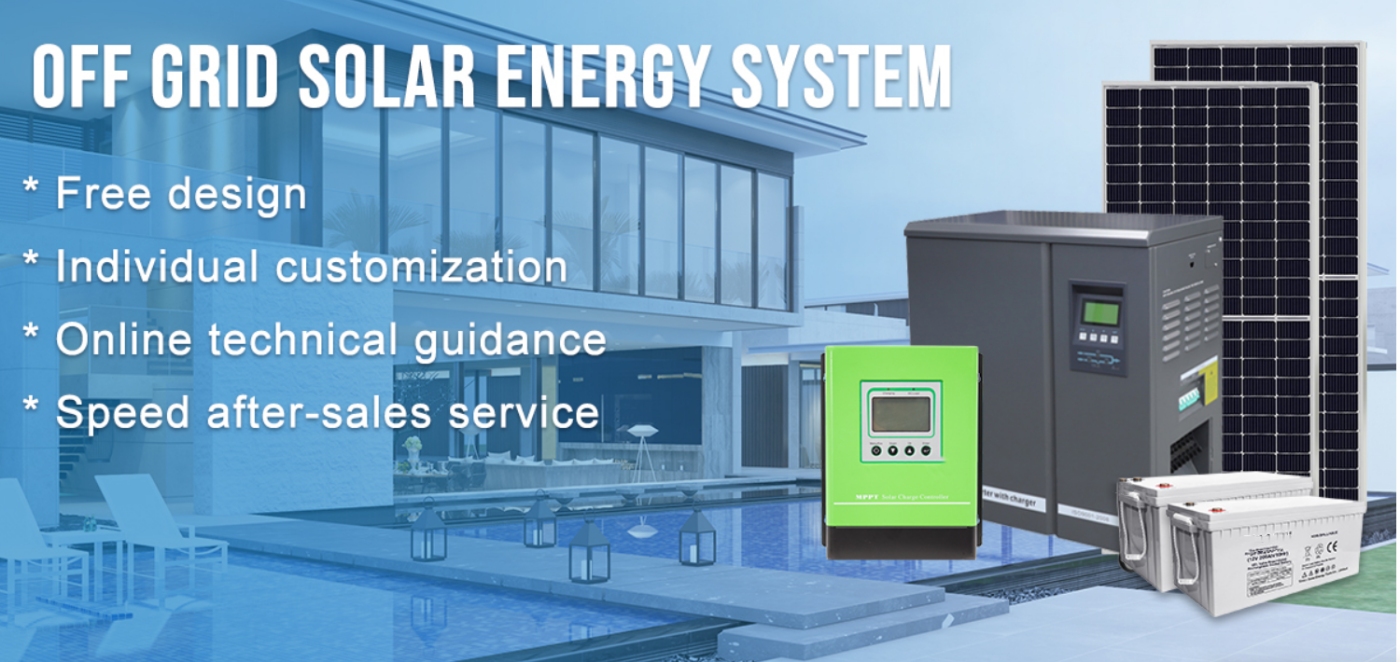
Integrated solutions combining e-motorcycle mobility with local solar charging grids
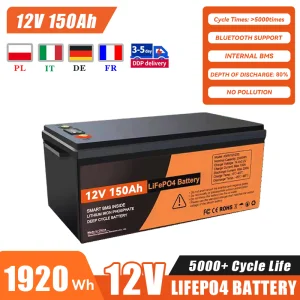
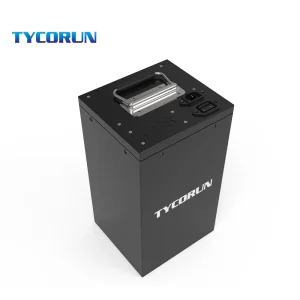
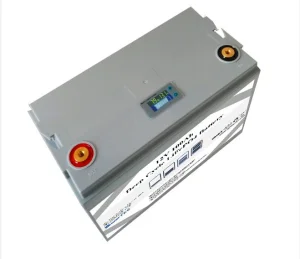
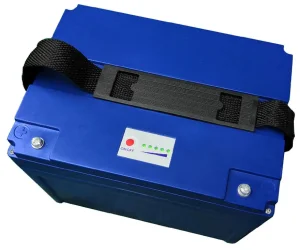
Ensuring smooth Dangerous Goods clearance from Ningbo Port to Tarawa Betio Port
Lithium batteries are classified as Class 9 Dangerous Goods (UN3480/UN3481). We manage the entire packaging process under strict UN-specification packaging standards, ensuring cargo passes international ocean freight regulations from Ningbo-Zhoushan port to Betio Port in Tarawa.
All Sahnova electric motorcycle battery packs are fully certified under global protocols, including UN38.3 test reports, Material Safety Data Sheets (MSDS), CE, and IEC 62133 standards. This guarantees trouble-free customs clearance and local registration in Kiribati.
Given Kiribati's reliance on solar microgrids and off-grid generator systems, our customized battery packs are designed to absorb irregular solar-charging currents, integrating over-voltage protection circuitry that prevents cells from degrading due to power grid fluctuations.
Engineered to handle extreme loads, rough roads, and hot coastal climates
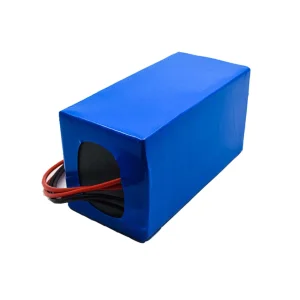
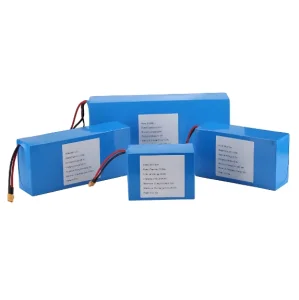
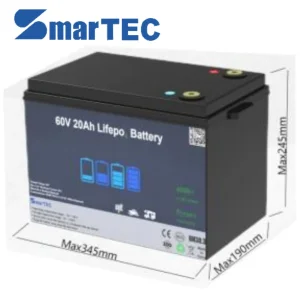
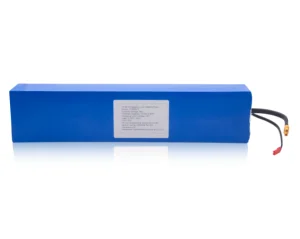
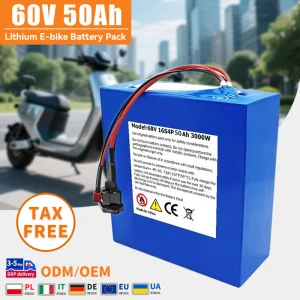
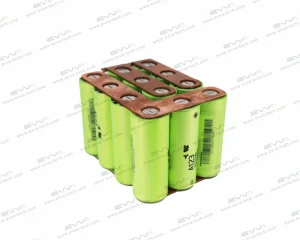
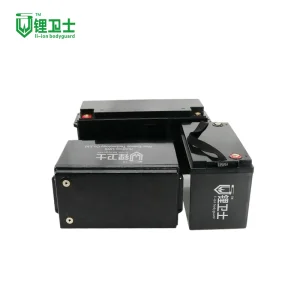
Answers to crucial technical and logistical questions on importing battery packs to Kiribati
Saline air acts as an electrolyte. If moisture containing salt air penetrates the battery pack, it leads to galvanic corrosion of the nickel tabs, BMS trace pathways, and internal connection points, which can cause micro-shorts or complete pack failure. This is why Ningbo Sahnova designs motorcycle battery packs for Pacific island applications with IP67-rated enclosures, utilizing vacuum-sealed structural silicone gaskets, waterproof venting plugs (which allow pressure stabilization while blocking water molecules), and anti-corrosive gold-plated connectors.
Safety and thermal limits are the primary drivers. NMC cells begin to undergo chemical breakdown at ~210°C, whereas LiFePO4 can withstand up to 270°C before experiencing thermal runaway. In tropical climates like Kiritimati or Tarawa, where external ambient temperatures routinely hit 35°C and internal battery compartment heat exceeds 50°C during active discharges, LiFePO4 offers a much broader thermal margin. Additionally, LiFePO4 delivers 3 to 4 times the cycle life (often exceeding 4,000 cycles at 80% Depth of Discharge), offering far better long-term return on investment in remote areas.
Our intelligent BMS performs real-time diagnostics at the individual cell group level. Key safety functions include: over-voltage and under-voltage protection, over-current discharge cut-off, dual temperature monitoring (external environment and central core temperature), and balanced charging circuits. For Kiribati clients, we can integrate Bluetooth capability, enabling fleet maintenance personnel to monitor cell health, voltage deviation, and cycle numbers directly via a smartphone app.
All battery pack shipments strictly follow UN38.3 packaging specifications. They are placed in flame-retardant custom insulation inserts, packed into UN certified outer boxes, and shipped in dedicated DG containers. We work closely with major international carriers to handle transit documentation through regional hubs like Fiji or Australia, ensuring timely custom clearances in South Tarawa.
Partner with Ningbo Sahnova Solar Co., Ltd. for certified, robust, and custom-designed lithium battery packs engineered for equatorial environments. Let our engineering team develop the optimal custom system for your electric scooter or utility fleet.
Send Inquiry Now Sahnova Solar