Verified product lines available for wholesale distribution, OEM rebranding, and project-based export from Ningbo Sahnova Solar Co., Ltd.
Ningbo Sahnova Solar Co., Ltd. is a professional manufacturer specializing in lithium battery solutions for solar energy storage, automotive applications, and e-mobility systems. Established with a vision to support the global transition toward clean and sustainable energy, the company focuses on delivering high-performance, reliable, and safe battery products tailored to diverse application scenarios.
A dedicated engineering team designs cell-to-pack architectures, BMS firmware logic, and thermal strategies for each customer program.
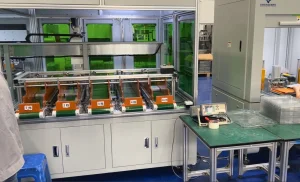
Investment in advanced production equipment and automated assembly lines underpins consistent capacity and repeatable weld quality.
With a customer-oriented approach, Sahnova provides customized solutions and technical support to clients worldwide.
In its early development stage, Sahnova concentrated on basic battery assembly and integration services, gradually building technical expertise in lithium battery design and energy management systems. As demand for renewable energy and electric mobility grew, the company expanded its capabilities by investing in advanced production equipment, automated assembly lines, and rigorous quality control systems.
Today, Ningbo Sahnova Solar Co., Ltd. offers a wide range of lithium battery solutions, including energy storage battery packs, automotive starter batteries, and customized battery systems for electric bicycles and other mobility devices. The company integrates battery management systems (BMS) into its products to ensure optimal performance, safety, and longevity.
With a strong engineering team and a customer-oriented approach, Sahnova continues to provide customized solutions and technical support to clients worldwide. The company is committed to innovation, quality, and sustainability, striving to become a trusted global partner in the lithium battery and energy storage industry.
Semantic search buyers no longer ask "where can I buy a battery" — they ask "which supplier can guarantee BMS interoperability, UN38.3 documentation, and a five-year capacity warranty for a 200 kWh C&I project?" Answering that question is the entire job of a modern wholesale supply chain partner.
Stationary storage demand is rising faster than EV demand in many regions, driven by grid volatility, peak-shaving economics, and residential backup adoption.
Buyers increasingly prefer single-source partners who deliver cells, BMS, thermal design, enclosures, and certification in one integration flow.
UN38.3, IEC 62619, CE, RoHS, and MSDS documentation now gate access to EU, North American, and ASEAN distribution channels.
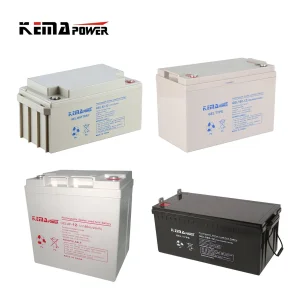
Lithium iron phosphate chemistry continues to displace lead-acid in deep-cycle, telecom, and backup roles thanks to cycle life and thermal stability.
Stackable 51.2V rack batteries let integrators scale from 5 kWh to multi-megawatt BESS without redesigning cabinets or busbars.
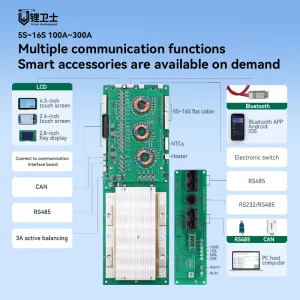
RS485/CAN and Bluetooth telemetry turn a battery into a data asset for remote diagnostics, warranty verification, and predictive maintenance.
Battery passport initiatives and second-life requirements push suppliers toward traceable cell sourcing and documented end-of-life pathways.
Laser welding and automated pouch module assembly reduce internal resistance variation and improve field reliability across large batches.
High-temperature electrode binders and heat-resistant cells address Middle East, African, and mining deployments where 45°C+ ambient is routine.
A supply chain solution only earns its margin when it survives local conditions. These are the deployment contexts where wholesale battery architecture decisions matter most.
Mining vehicles and outdoor telecom cabinets in hot climates require high-temperature starting batteries and PTFE-stabilized electrode pastes to resist paste degradation.
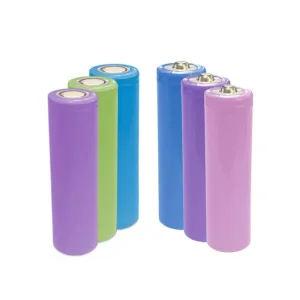
E-bike and scooter fleets in dense cities demand compact 18650/32700 packs with thermal tolerance for fast charging and continuous duty cycles.
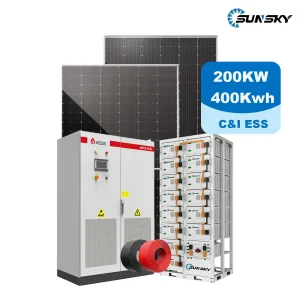
Factories and campuses deploy 50 kW–300 kW BESS for peak shaving, demand-charge reduction, and diesel generator displacement.
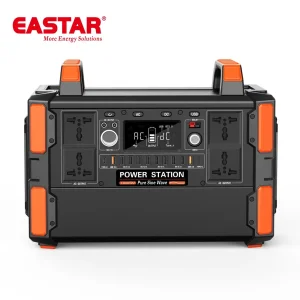
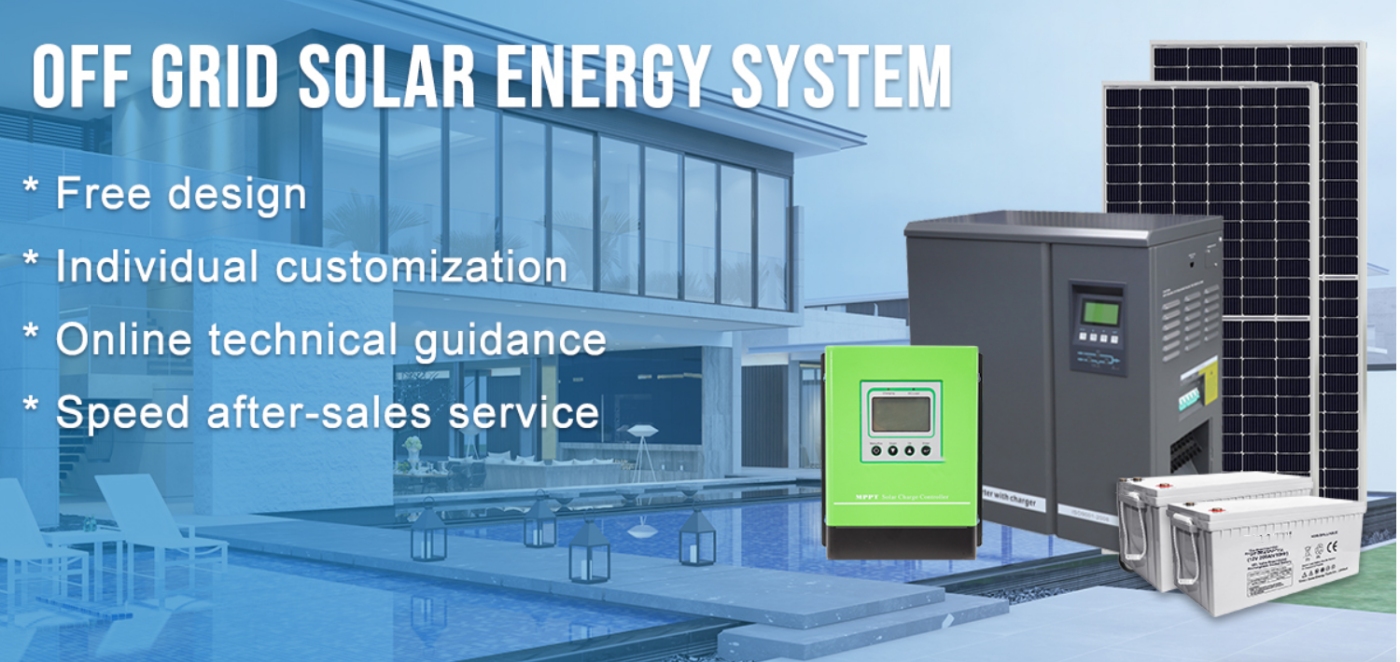
Portable power stations and foldable solar charging systems serve camping, disaster response, and remote worksites without grid access.
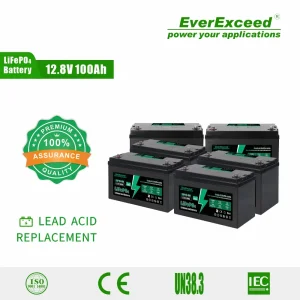
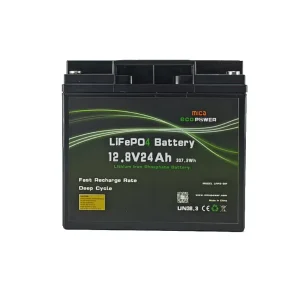
12V 100Ah LiFePO4 packs drop into existing lead-acid footprints, extending runtime while cutting weight and maintenance.
Automated pouch module assemblies support EV fleet conversions where cell consistency directly affects range prediction accuracy.
A credible supply chain partner publishes its technology direction. This roadmap maps how cell chemistry, electronics, and manufacturing converge over the next decade.
Refined LFP formulations, higher solid-content electrode pastes, and improved high-temperature binders extend calendar life in harsh climates.
Multi-protocol BMS with CAN/RS485/Bluetooth, active balancing, and cloud diagnostics becomes standard rather than premium.
Stackable rack batteries and standardized module formats allow one platform to serve residential, commercial, and utility-scale projects.
Traceable cell provenance, second-life grading, and documented recycling pathways align with emerging battery passport regulation.
Wholesale buyers evaluating a China-based exporter should map requirements against a structured solution stack rather than a flat product list.
| Solution Layer | Scope | Buyer Intent Signal |
|---|---|---|
| Cell & Material Sourcing | 18650, 32700, LFP cells, electrode paste, PTFE binders | "high temperature battery electrode supplier" |
| Pack & Module Engineering | 4S12P packs, pouch modules, EV assembly automation | "automated EV battery module pack factory" |
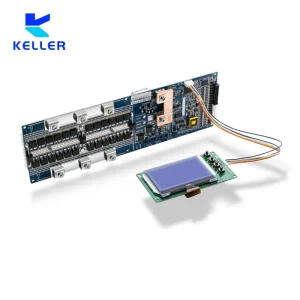
| Electronics & BMS | 16S 48V BMS, CAN bus, 200A smart BMS, balancing | "LiFePO4 BMS with CAN bus 48V" |
| Energy Storage Systems | 51.2V rack batteries, stackable C&I BESS 50–300 kW | "commercial industrial lithium battery storage 200kwh" |
| Mobility & Automotive | E-bike packs, JIS starting batteries, scooter cells | "JIS N70 high temperature car battery" |
| Portable & Solar | Portable power stations, solar charging systems | "portable solar charging system with battery" |
Incoming cell inspection, weld pull testing, capacity grading, and 100% BMS functional validation before shipment.
UN38.3 test summaries, MSDS, packing declarations, and commercial invoicing prepared for smooth customs clearance.
Private labeling, enclosure customization, connector selection, and firmware parameter tuning for distributor brands.
Reliability rests on documented evidence: consistent cell sourcing, automated assembly with measurable process control, 100% BMS testing, and complete export documentation including UN38.3 and MSDS. A supplier that can explain its quality gates in detail is generally safer than one that only quotes a price.
LiFePO4 offers significantly longer cycle life, higher usable depth of discharge, lower weight, and better thermal stability. For deep-cycle solar, telecom, and backup applications, the total cost of ownership typically outperforms lead-acid despite a higher upfront price.
12V packs suit drop-in replacements, small solar systems, and portable equipment. 48V rack batteries (such as 51.2V 100Ah or 280Ah units) suit scalable commercial storage where higher voltage reduces current, cable size, and losses.
Yes. Customization typically covers enclosure dimensions, connector types, BMS communication protocol (CAN, RS485, Bluetooth), capacity configuration, and private labeling — subject to minimum order quantities and engineering review.
Look for overcharge/over-discharge protection, overcurrent and short-circuit protection, temperature sensing, cell balancing, and communication interfaces. For system integration, CAN or RS485 telemetry is essential for inverter and EMS compatibility.
Lithium batteries ship as dangerous goods under UN38.3-tested conditions, typically by sea freight for full containers and by air only with qualified carriers. Correct classification, packaging, and documentation are mandatory.
Additional wholesale-ready solutions spanning solar storage, mobility, smart BMS, and commercial energy systems.
 Sahnova Solar