Advanced LiFePO4 and Tubular Gel architectures optimized for extreme heat, remote mining operations, and high-frequency load-shedding cycles.
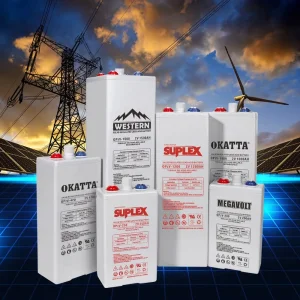
Namibia's macroeconomic blueprint is heavily tethered to its natural resources—specifically its high-output uranium, diamond, and copper mining sectors. However, the national utility, NamPower, faces significant systemic constraints. Historically, Namibia imports upwards of 50% to 60% of its electricity from regional neighbors within the Southern African Power Pool (SAPP), notably South Africa's Eskom. With regional supply chains becoming increasingly volatile, Namibian industrial operators are exposed to severe operational risks, including sudden voltage dips, load shedding, and punitive peak-demand tariffs.
Furthermore, Namibia boasts some of the highest solar irradiance indexes globally, averaging over 3,000 hours of sunshine per year. This creates a compelling economic use-case for combining commercial solar PV installations with rugged, high-cycle industrial battery energy storage systems (BESS). These installations are critical not only for peak shaving and load shifting but also for maintaining microgrid stability in remote locations such as the Erongo, Kunene, and ||Kharas regions.

Figure 1: Ningbo Sahnova's high-precision lithium-ion battery integration line meeting ISO 9001 quality compliance standards.
A technical guide for engineering procurement managers assessing battery chemistry lifespans under Namibia's unique climatic stresses.
| Battery Chemistry Type | Recommended Applications | Optimal Ambient Temp | Cycle Life (80% DoD) | Thermal Runway Threshold | Levelized Cost (LCOS) |
|---|---|---|---|---|---|
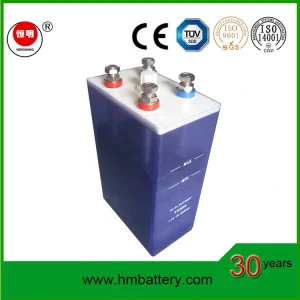
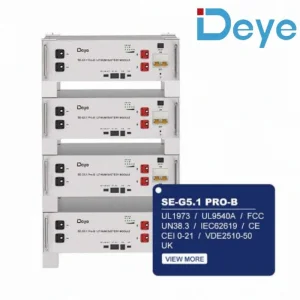
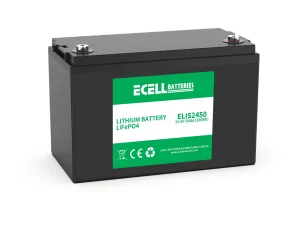
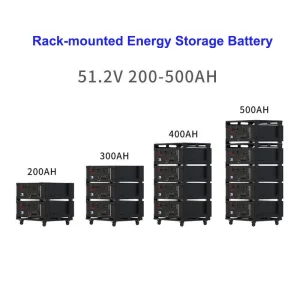
| Lithium Iron Phosphate (LiFePO4) | Mining basecamps, high-frequency heavy commercial UPS, solar peak-shaving | -15°C to 55°C | 6,000+ Cycles | 270°C (Highly Stable) | Lowest (Long-term run) |
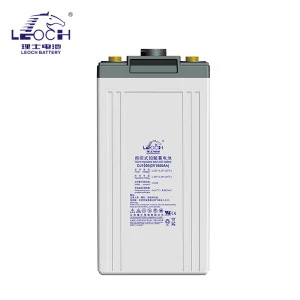
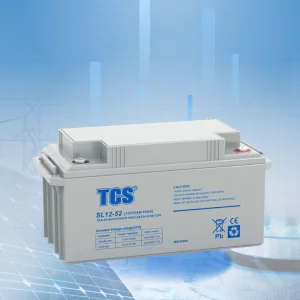
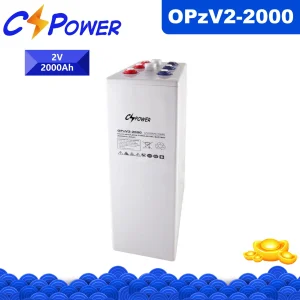
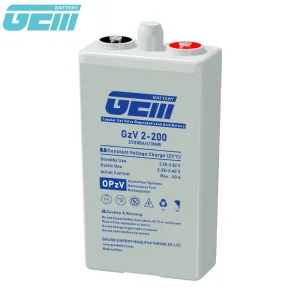
| Tubular OPzV Gel VRLA | Remote SADC telecom towers, railway signaling, rural microgrids | -20°C to 45°C | 2,500 - 3,000 Cycles | Internal vent protection | Medium |
| Nickel-Iron (Ni-Fe) | Off-grid desert outposts, harsh heavy industrial backup | -30°C to 60°C | 10,000+ Cycles | Virtually Indestructible | Low-to-Medium (Long life) |
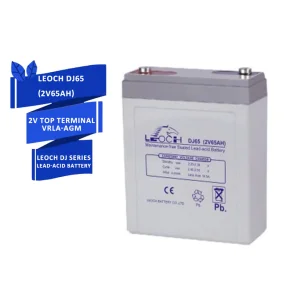
| Deep-Cycle AGM VRLA | Light commercial emergency standby, office backup, auxiliary systems | 0°C to 35°C | 800 - 1,200 Cycles | Moderate VRLA venting | Low Initial Capital |
Selecting industrial batteries for the Namibian desert requires factoring in high thermal degradation. Lead-acid variants degrade exponentially when subjected to sustained ambient temperatures above 30°C. For off-grid mining facilities in the Namib Desert, we strongly recommend LiFePO4 with active liquid cooling or Tubular OPzV Gel architectures, which demonstrate superior resilience to capacity fade under high ambient temperatures.
Deployable system topologies engineered for utility, off-grid mining, and commercial operations across SADC.
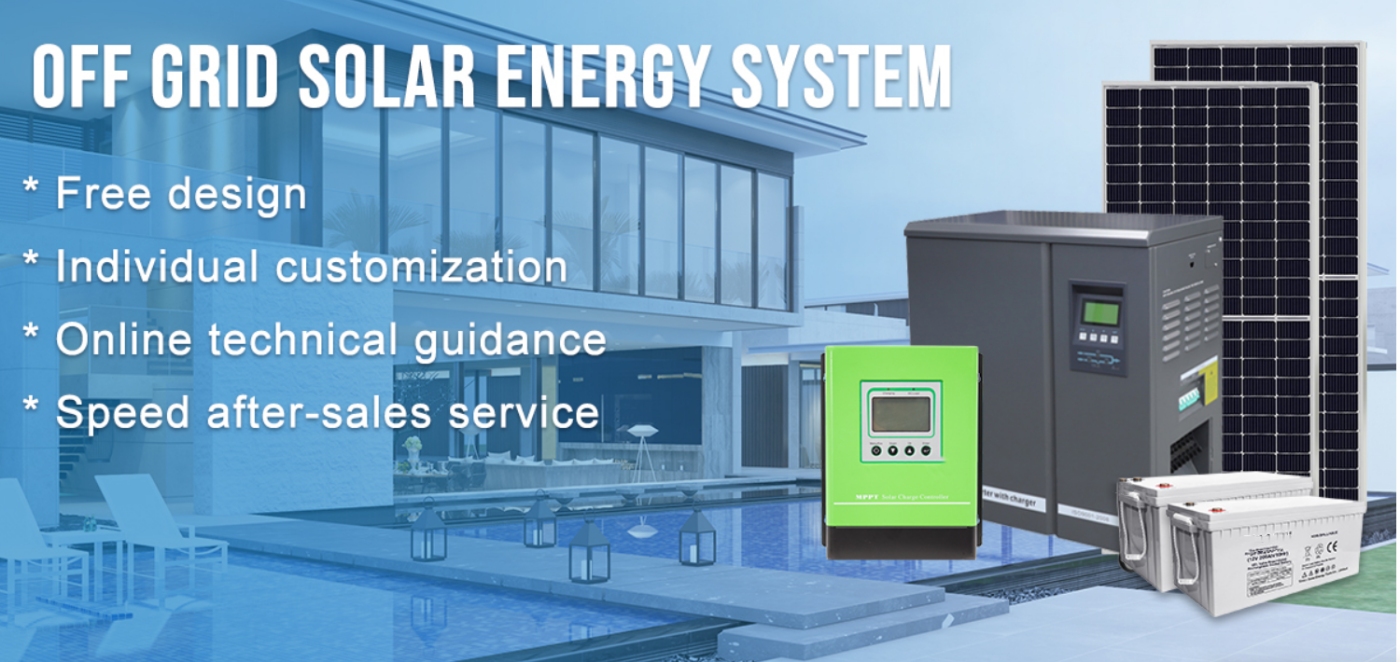
Figure 2: Active BMS calibration protocols utilizing advanced micro-controllers to balance pack temperature variance within 2°C.
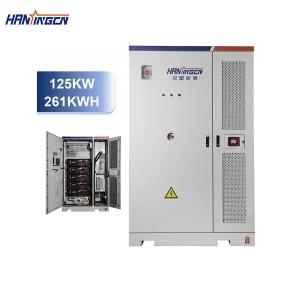
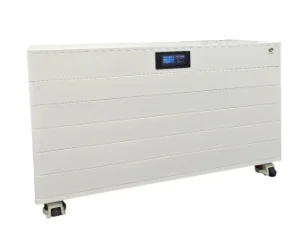
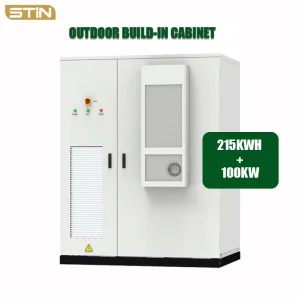
By deploying large-scale LiFePO4 ESS cabinets (such as our 215kWh fluid-cooled units), Namibian commercial factories in Windhoek and Walvis Bay can store low-cost off-peak energy or excess solar generation. During peak pricing intervals (often managed via NamPower's Time-of-Use tariffs), the BESS automatically discharges to offset the factory load, yielding immediate ROI and slashing peak-demand charges.
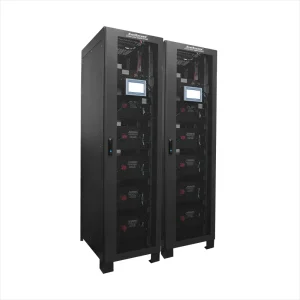
Mining operations require ultra-reliable heavy machinery power and uninterrupted communications. Our high-voltage battery racks serve as the primary stabilizer in hybrid microgrids, dampening voltage spikes when heavy drilling and hauling machinery start up, while ensuring 100% uptime for vital control centers and mining camp grids.
With vast stretches of highways and remote wilderness across Namibia, local telecom carriers require highly durable backup energy for remote towers. OPzV Gel and Ni-Fe batteries provide low-maintenance, zero-gassing, 10-year operational horizons, capable of handling deep discharges without catastrophic thermal decay.
Your Strategic Global Partner in Industrial Battery Manufacturing, Quality Control, and Engineering Design.
Ningbo Sahnova Solar Co., Ltd. is a professional manufacturer specializing in lithium battery solutions for solar energy storage, automotive applications, and e-mobility systems. Established with a vision to support the global transition toward clean and sustainable energy, the company focuses on delivering high-performance, reliable, and safe battery products tailored to diverse application scenarios.
In its early development stage, Sahnova concentrated on basic battery assembly and integration services, gradually building technical expertise in lithium battery design and energy management systems. As demand for renewable energy and electric mobility grew, the company expanded its capabilities by investing in advanced production equipment, automated assembly lines, and rigorous quality control systems.
Today, Ningbo Sahnova Solar Co., Ltd. offers a wide range of lithium battery solutions, including energy storage battery packs, automotive starter batteries, and customized battery systems for electric bicycles and other mobility devices. The company integrates battery management systems (BMS) into its products to ensure optimal performance, safety, and longevity.
With a strong engineering team and a customer-oriented approach, Sahnova continues to provide customized solutions and technical support to clients worldwide. The company is committed to innovation, quality, and sustainability, striving to become a trusted global partner in the lithium battery and energy storage industry.
Streamlined trade corridors and certification structures ensuring frictionless delivery and installation.
Ningbo Sahnova Solar Co., Ltd. manages direct export channels to the Port of Walvis Bay. By utilizing the Trans-Kalahari and Trans-Orange corridors, we guarantee efficient overland transport to Windhoek, Swakopmund, and southern mining hubs. All exports are fully certified with international compliance documents, mitigating customs hold-ups at the port of entry.
To meet the stringent environmental and technical safety guidelines issued by the Electricity Control Board (ECB) of Namibia, our battery lines conform to UN38.3 (Lithium Transport Safety), IEC 62619 (Safety for Industrial Lithium batteries), and CE / UL standards. Operators can install our equipment knowing they meet insurance liabilities and commercial compliance checks.
We supply local Engineering, Procurement, and Construction (EPC) contractors in Namibia with complete API integration profiles for modern hybrid inverters (including Deye, Victron, and SMA systems). This plug-and-play communication enables real-time remote telemetry, allowing remote engineering teams in Windhoek to monitor cell-level temperatures, state of charge (SoC), and State of Health (SoH) profiles over cloud dashboards.
How the market is pivoting toward smart energy management systems and robust liquid cooling to meet rising grid demand.
As the Namibian electricity grid integrates more volatile renewable energy sources, energy storage systems must transition from passive backups to active grid assets. Future installations will utilize Fast Frequency Response (FFR) protocols to stabilize the local NamPower network in micro-seconds when solar arrays experience cloud cover.
For heavy-duty battery packs, liquid cooling provides significant advantages over air cooling in desert environments. By maintaining uniform internal temperatures, liquid thermal management prevents hot spots, mitigates accelerated capacity degradation, and extends battery cycle life by up to 25% under harsh ambient conditions.
Direct technical answers addressing specific queries regarding deployment, support, and importing in Namibia.
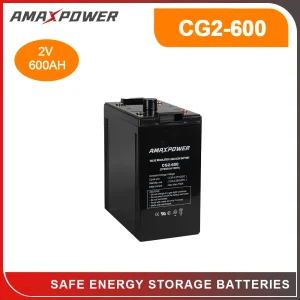
Comprehensive selection of energy storage chemistries, capacities, and form factors designed for the Southern African market.
Get in touch with our commercial project engineering team for a customized, site-specific battery design layout, load calculation, and shipping quotation directly to Namibia.
Send Inquiry Now Sahnova Solar