Providing Marine-Grade Resilience, High Thermal Tolerances, and Next-Generation Energy Infrastructure for Island Utilities and Luxury Resorts.
High-performance configurations optimized for tropical marine environments and remote microgrids.
Composed of over 1,190 low-lying coral islands dispersed across the Indian Ocean, the Republic of Maldives faces some of the world's most unique geographic, environmental, and infrastructure challenges. Historically, the nation's economic engine—luxury eco-tourism and fisheries—has relied heavily on imported diesel oil to generate electricity. This model is not only carbon-intensive and vulnerable to global oil supply chain shocks, but it also carries high operating costs due to remote island transport logistics.
In response, the Maldives has embarked on an ambitious journey to achieve carbon neutrality and enhance energy security. The transition toward localized solar photovoltaic (PV) hybrid systems paired with high-performance Industrial Battery Energy Storage Systems (BESS) represents the cornerstone of this plan. Deploying utility-scale batteries in tropical, saline-heavy environments requires engineering solutions that are radically different from standard continental systems. This whitepaper analyzes the current commercial energy landscape in the Maldives and outlines the parameters for specifying industrial backup batteries that can survive and thrive in this maritime market.
When international engineers, luxury resort procurement managers, and utility contractors design microgrids for Maldives atolls, they prioritize system reliability, safety, and lifespan under harsh ambient conditions. Procurement evaluations typically focus on three core environmental hazards: high thermal load, absolute humidity, and salt-mist corrosion.
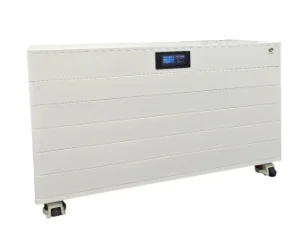
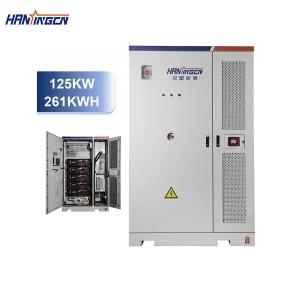
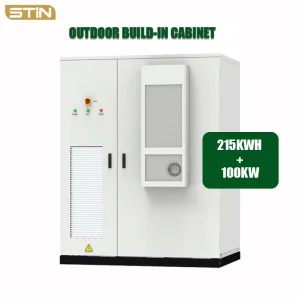
The Maldives registers high average temperatures year-round, which acts as a primary catalyst for battery degradation. Standard lithium or lead-acid batteries without robust thermal management degrade prematurely, leading to short lifespans and capacity loss. Global specifications for industrial backup batteries in these environments demand active liquid-cooling systems or robust air-channel cooling design. Modern systems, such as our 215kWh Liquid Cooled LiFePO4 ESS cabinets, maintain uniform cell temperatures, preventing hot spots and mitigation of thermal runaway risks.
Coastal and maritime installations are continuously exposed to sodium chloride particles and relative humidity levels that often exceed 80%. This accelerates the electrochemical corrosion of terminals, copper busbars, and electronic components. B2B procurement standards mandate outer enclosures with at least IP55 protection (and preferably IP66 for outdoor dock installations), constructed from stainless steel or marine-grade coated metals (conforming to ISO 12944 C5-M specifications).
Due to the spatial distribution of the Maldives islands, traveling between atolls for maintenance is slow and expensive. Therefore, every industrial battery rack must be integrated with a Smart Battery Management System (BMS) supporting remote monitoring protocols (such as Modbus TCP/IP or SNMP). Real-time telemetry allows engineers based in Malé or global headquarters to monitor State of Charge (SoC), State of Health (SoH), cell voltages, and thermal states remotely.
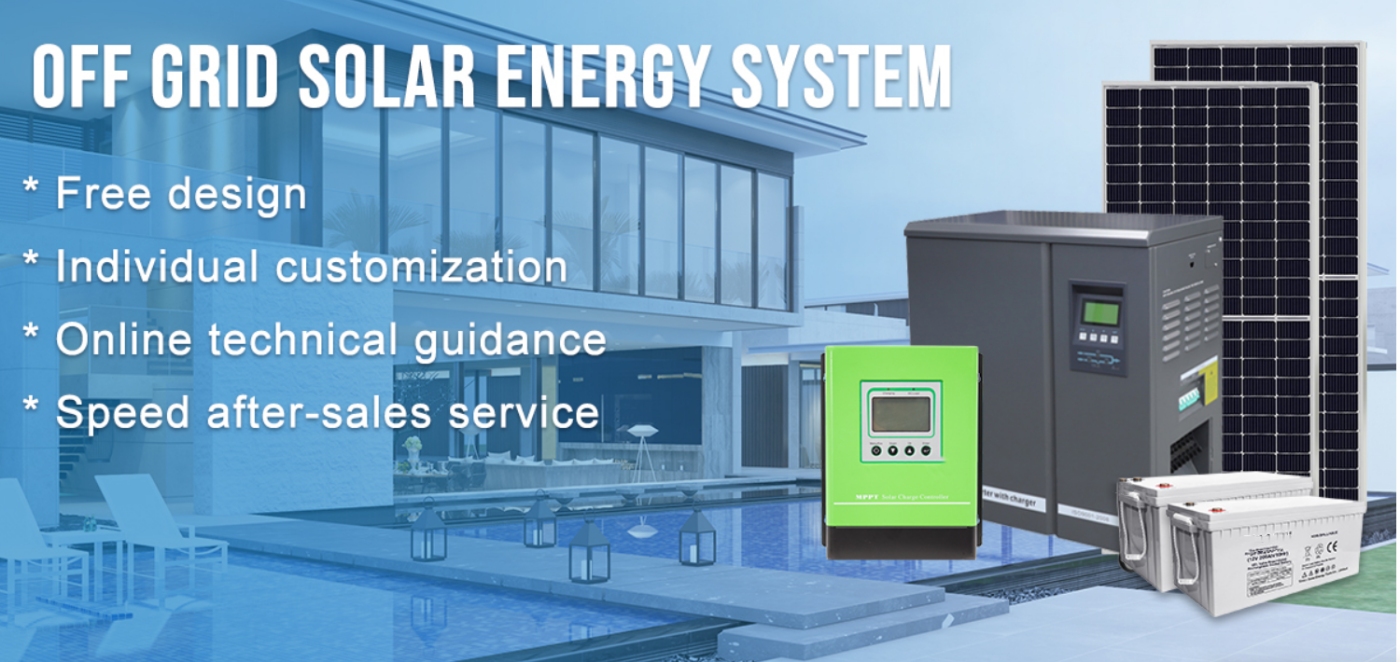
To integrate high penetration of solar energy, utility networks on Maldives islands rely on hybrid energy topologies. These topologies fall into three primary architectural schemes:
| Application Scenario | Preferred Battery Chemistry | Target System Architecture | Operational Benefits |
|---|---|---|---|
| Island Resort Microgrids | LiFePO4 (LFP) | AC-Coupled Hybrid (Solar + Battery + Diesel Backup) | Eliminates night-time generator noise, reduces fuel burn by 60%, enables peak-shaving. |
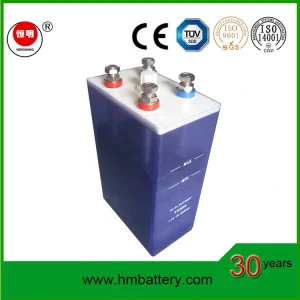
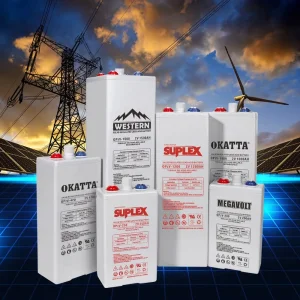
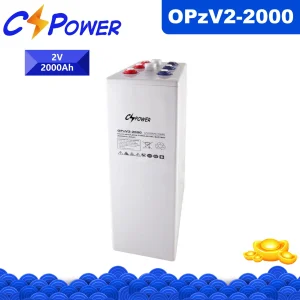
| Atoll Base Stations | OPzV Tubular Gel / Ni-Fe | DC-Coupled Off-grid UPS System | Maintenance-free, excellent resilience to deep discharge and high ambient temperatures. |
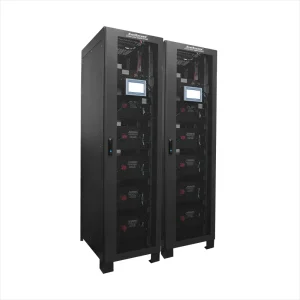
| Port & Logistics Hubs | High-Voltage LFP System | Peak Shaving / Heavy Machinery Backup Power | Stabilizes voltage drops during crane operation, provides instantaneous fault current. |
Understanding the material science behind different battery chemistries is critical to choosing the correct backup power system. The chart below provides a comparative analysis of the four primary technologies selected for the Maldives maritime market:
Why our industrial battery systems outperform standard energy storage configurations in the Maldives.
Designed with phase-change materials and active liquid cooling channels, maintaining optimal cell temperatures between 20°C and 28°C even when outside ambient temperatures hover near 40°C.
Enclosures feature industrial powder coating and electro-galvanized structures, ensuring full operational security against sea breeze erosion on beaches and docks.
Comprehensive monitoring of cell-level voltage, module temperature, leakage current, and system isolation parameters with instant cloud alarms via cellular/satellite link.
Manufacturer & Technical Engineering Partner for Renewable Island Energy Storage Systems.
Ningbo Sahnova Solar Co., Ltd. is a professional manufacturer specializing in lithium battery solutions for solar energy storage, automotive applications, and e-mobility systems. Established with a vision to support the global transition toward clean and sustainable energy, the company focuses on delivering high-performance, reliable, and safe battery products tailored to diverse application scenarios.
In its early development stage, Sahnova concentrated on basic battery assembly and integration services, gradually building technical expertise in lithium battery design and energy management systems. As demand for renewable energy and electric mobility grew, the company expanded its capabilities by investing in advanced production equipment, automated assembly lines, and rigorous quality control systems.
Today, Ningbo Sahnova Solar Co., Ltd. offers a wide range of lithium battery solutions, including energy storage battery packs, automotive starter batteries, and customized battery systems for electric bicycles and other mobility devices. The company integrates battery management systems (BMS) into its products to ensure optimal performance, safety, and longevity. With a strong engineering team and a customer-oriented approach, Sahnova continues to provide customized solutions and technical support to clients worldwide. The company is committed to innovation, quality, and sustainability, striving to become a trusted global partner in the lithium battery and energy storage industry.

Deploying batteries in the Maldives involves compliance with local frameworks established by the Maldives Energy Authority (MEA) and the Ministry of Environment, Climate Change and Technology. These bodies enforce stringent environmental regulations to preserve the delicate marine ecosystems of the archipelago.
Due to the dispersed geographical nature of the country, equipment must travel via cargo ships to the main port in Malé, followed by regional transit via local dhoni boats or speedboats. Large lithium batteries are classified as Class 9 Dangerous Goods under IMDG regulations, requiring UN38.3 transport certification, specific packing layouts, and certified transport crates. Our engineering logistics division assists clients with maritime customs clearing and plans safe inter-island water transit, ensuring the mechanical integrity of the cells.
Because the Maldives lacks landmass for waste storage, chemical disposal is highly restricted. We coordinate with regional agencies to organize repatriation logistics for end-of-life cells. Our modular batteries are designed for easy disassembly, enabling parts to be recycled and preventing heavy metal contamination of vulnerable island water tables.
Technical answers to help engineers choose the optimal backup solution.
LiFePO4 offers superior thermal stability and a higher thermal runaway threshold (approx. 270°C compared to NMC's 210°C). This is critical in the warm climates of the Maldives, where ambient heat reduces thermal margins. LFP also provides a cycle life of 6000+ cycles at 80% DoD, outlasting NMC systems in daily solar-cycling applications.
Our microgrid ESS enclosures are treated with C5-M high-durability marine-grade paint coatings. In addition, all exposed copper busbars are nickel-plated or tin-plated, structural bolts are made from 316 stainless steel, and all electronic printed circuit boards (PCBs) feature conformal coating to isolate circuit pathways from moisture and salt-mist ingress.
We supply full UN38.3 test documentation and MSDS reports required by international shipping lines. Shipments are packed in reinforced wooden crates with desiccant packs to prevent humidity condensation. We work directly with Malé-based maritime forwarders to coordinate transfer to island-bound flatbed barges and dhoni transport.
Yes, our industrial batteries support direct integration with mainstream hybrid microgrid controllers (such as DEIF, Woodward, or ComAp). The integrated smart BMS shares real-time charge and discharge thresholds with the hybrid controller, optimizing diesel generator runtimes and preventing light-load operation.
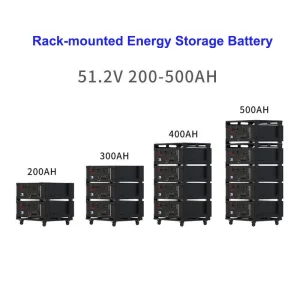
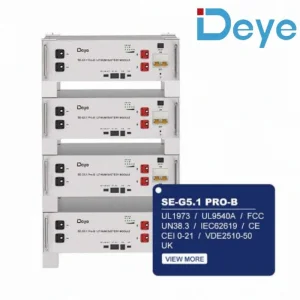
Yes, both our low-voltage stackable battery packs and high-voltage container systems support parallel configuration. Customers can scale up storage capacity as power needs expand over time without replacing the entire existing battery bank.
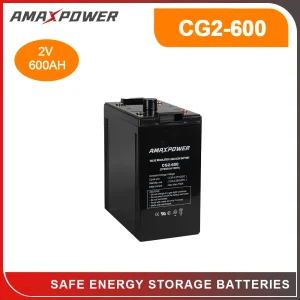
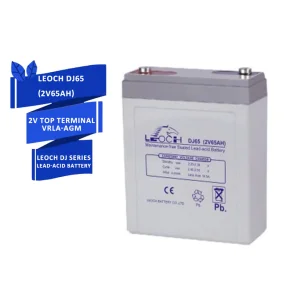
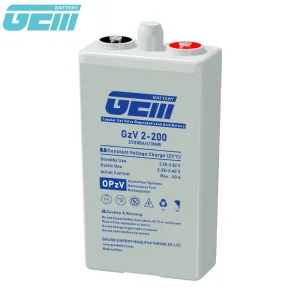
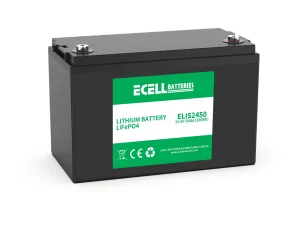
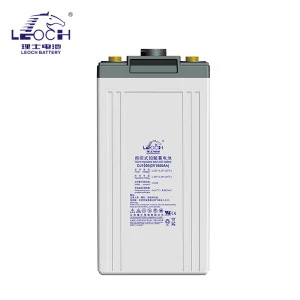
Full product catalog featuring lead-acid, gel, lithium, and nickel-iron chemistries with direct URLs.
Connect with Sahnova's engineering team today for technical layouts, capacity sizing calculations, and customized freight plans for the Maldives market.
Send Inquiry Now Sahnova Solar