Explore our core technological platforms, built to satisfy rigorous industrial parameters and complex environmental requirements.
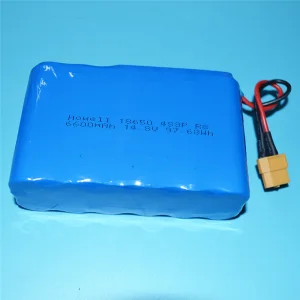
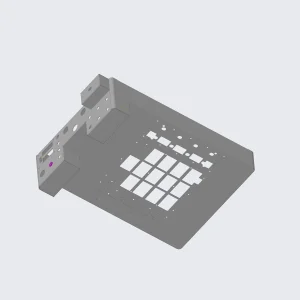
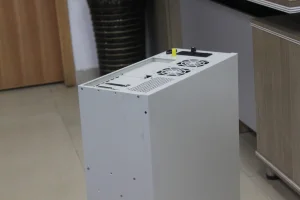
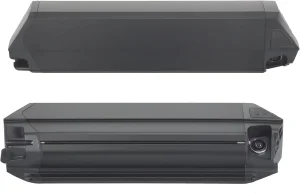
The shift from fossil fuels to electrified systems has rapidly transformed the global battery market from standard consumer cell integration to sophisticated, application-specific high-capacity configurations. In 2024, the commercial and industrial demand for bespoke battery pack solutions is experiencing an unprecedented surge. Heavy duty logistics, micro-mobility, light electric passenger vehicles, medical life-support rigs, defense applications, and large-scale grid stabilization systems are demanding highly specialized electrical, mechanical, and thermal performance characteristics.
Deploying fail-safe multi-tier architecture to completely isolate cell degradation, prevent thermal propagation, and achieve maximum volumetric energy density.
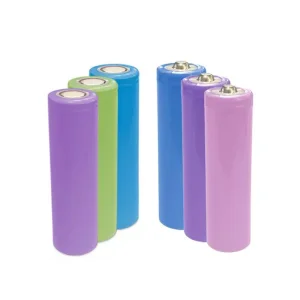
Leveraging advanced form factors (including 21700 cylindrical and large prismatic designs) to decrease physical footprints without sacrificing peak load capacity.
Utilizing active cell balancing algorithms to equalize internal cell state-of-charge, extending overall system runtime, and optimizing thermal balance.
Currently, manufacturers must navigate dynamic global supply conditions. Key components such as raw anode materials, advanced lithium-iron-phosphate (LiFePO4) chemistries, high-purity nickel plates, and high-frequency Battery Management Systems (BMS) require localized, resilient manufacturing. As an experienced developer in this vertical, Ningbo Sahnova Solar Co., Ltd. continuously bridges the gap between raw component logistics and complex system integration, ensuring that commercial entities can import high-performance energy products without regulatory friction.
Several macro-level innovations are shaping how high-capacity battery packs are engineered and integrated into modern projects:
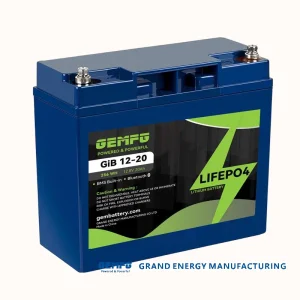
While Nickel-Cobalt-Manganese (NCM) chemistry retains an advantage in gravimetric density—making it perfect for high-speed, space-constrained mobility systems like high-end e-bikes and racing drones—Lithium Iron Phosphate (LiFePO4) has dominated stationary storage. The inherent thermal and structural stability of the Fe-P-O covalent bond means LFP battery packs do not experience runaway reactions under puncture conditions or extreme thermal stresses, making them the default selection for solar-grid residential back-ups and remote telecommunications towers.
Standard passive balancing burns off excess energy as heat, creating hot spots inside high-capacity enclosures. Today’s industrial clients require active balancing solutions. Our BMS hardware intelligently shifts energy from cells with higher state-of-charge (SoC) to those with lower levels. This drastically increases the usable capacity of the battery pack and prevents localized degradation.
Battery packs designed for rugged environments—such as golf carts, marine vehicles, and solar streetlights—must possess strong resistance to structural shock. We utilize precision-bent metal housing enclosures and custom injection-molded high-density plastic modules to secure individual cells. Anti-vibration silicone spacers and flame-retardant structural foams are layered between groups to ensure structural integrity and mechanical damping during mobile operations.
Because no single battery cell technology fits every commercial use case, custom configuration is necessary. Below are the primary sectors driving design and operational parameters:
Outdoor micro-grids require cells capable of performing reliably under wide temperature variations. Traditional Lead-Acid systems struggle below freezing and experience plate sulfation. Using custom LFP cell modules combined with optimized low-temperature BMS systems allows our systems to operate efficiently at sub-zero temperatures, powering public lighting networks in high-latitude regions.
Modern e-bikes and urban cargo scooters demand reliable structural integration. The cells must handle rapid acceleration draws, demanding high discharge current rates (often 3C to 5C peaks) without overheating. Integrating authentic, high-discharge 21700 Samsung cells with precise nickel-strip spot welding guarantees constant power flow while avoiding thermal bottlenecks.
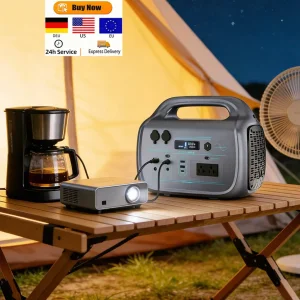
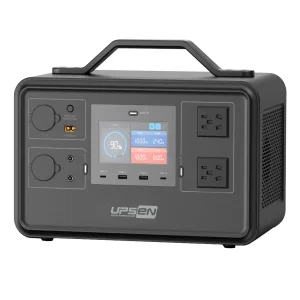
Portable power stations designed for outdoor camping, remote construction, and emergency home backup require compact, high-density LFP or NCM configurations. Our 1000W assemblies combine high-rate cell configurations with multi-port pure sine wave inverters, allowing users to safely connect sensitive electronics such as medical ventilators and communications gear.
A decade of engineering excellence in energy storage technology and custom assembly solutions.
Ningbo Sahnova Solar Co., Ltd. is a professional manufacturer specializing in lithium battery solutions for solar energy storage, automotive applications, and e-mobility systems. Established with a vision to support the global transition toward clean and sustainable energy, the company focuses on delivering high-performance, reliable, and safe battery products tailored to diverse application scenarios.
In its early development stage, Sahnova concentrated on basic battery assembly and integration services, gradually building technical expertise in lithium battery design and energy management systems. As demand for renewable energy and electric mobility grew, the company expanded its capabilities by investing in advanced production equipment, automated assembly lines, and rigorous quality control systems.

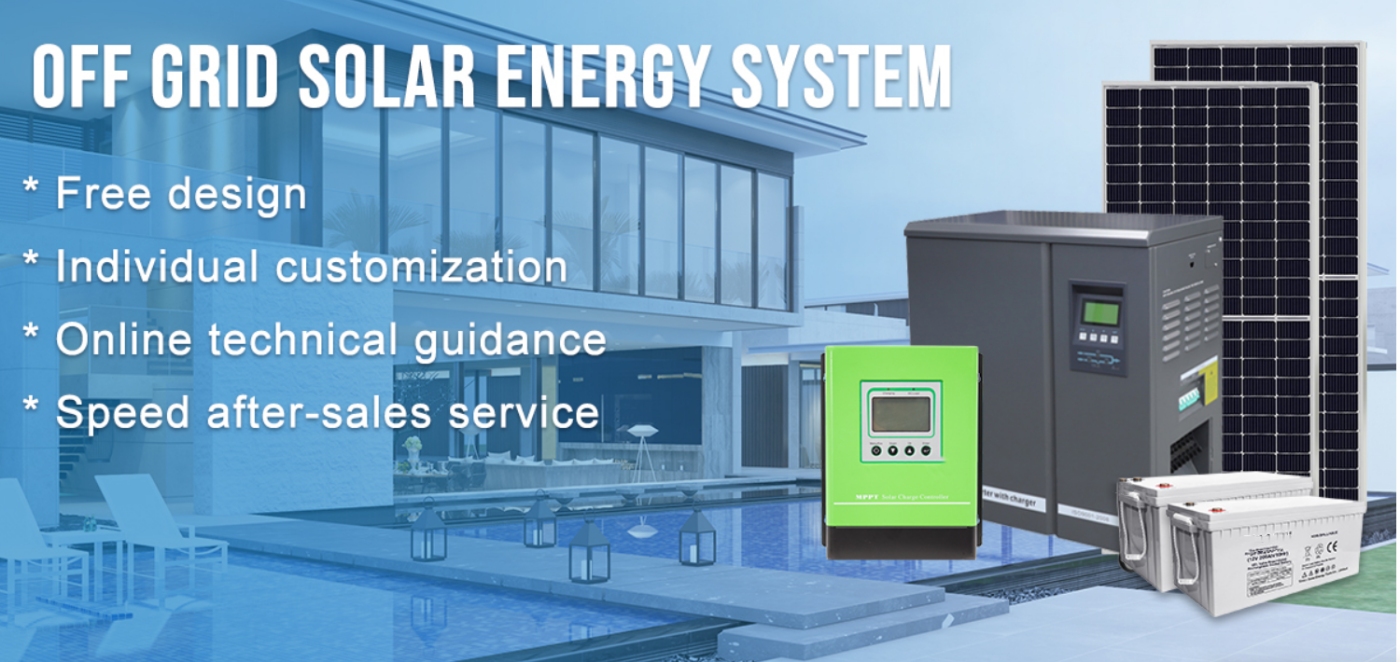
Today, Ningbo Sahnova Solar Co., Ltd. offers a wide range of lithium battery solutions, including energy storage battery packs, automotive starter batteries, and customized battery systems for electric bicycles and other mobility devices. The company integrates battery management systems (BMS) into its products to ensure optimal performance, safety, and longevity.
With a strong engineering team and a customer-oriented approach, Sahnova continues to provide customized solutions and technical support to clients worldwide. The company is committed to innovation, quality, and sustainability, striving to become a trusted global partner in the lithium battery and energy storage industry.
As energy densities approach theoretical limits, the major innovations focus on physical structural designs (Cell-to-Pack, Cell-to-Chassis), smart telemetry, and thermal barrier systems. Understanding these roadmaps helps OEM procurement teams future-proof their supply chains.
Modern high-capacity battery packs feature multi-tier thermal barriers. Aerogel layers are placed between cell rows to prevent heat from spreading from a failing cell to neighboring cells. Under thermal runaway conditions, these materials isolate temperatures up to 1000°C, providing enough time for safety shutdowns and containment.
The integration of IoT modules into the BMS is standard practice for modern industrial batteries. These systems track real-time cell parameters (including state-of-charge, state-of-health, internal resistance, and local temperature) and upload the data to cloud platforms. This allows operators to predict failures before they happen, schedule preventive maintenance, and significantly reduce operational downtime.
Technical answers to critical design and safety questions from our engineering department.
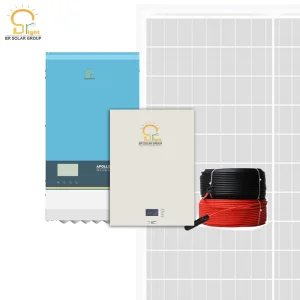
Discover our solar integration kits, modular power stations, and rugged battery packs designed for deep-cycle performance.
 Sahnova Solar