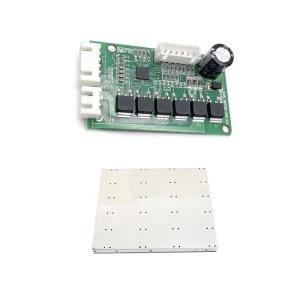
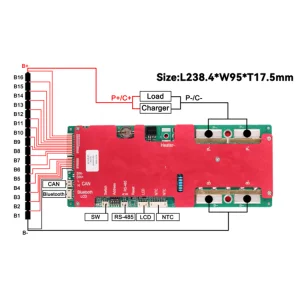
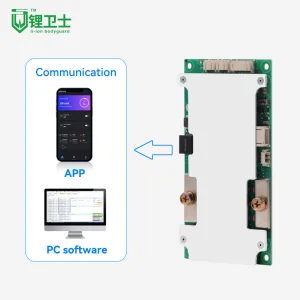
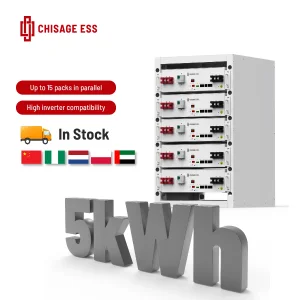
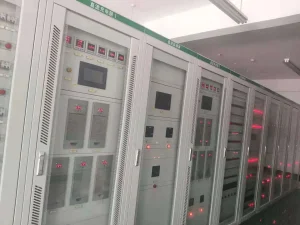
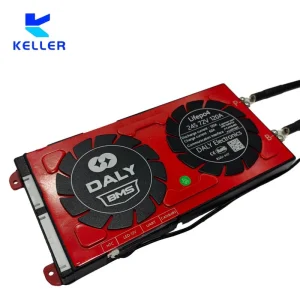
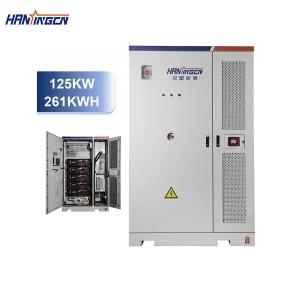
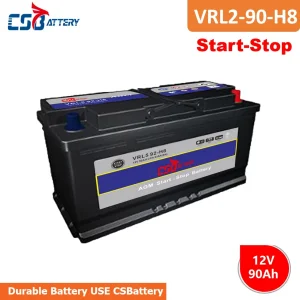
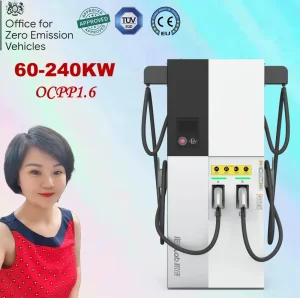
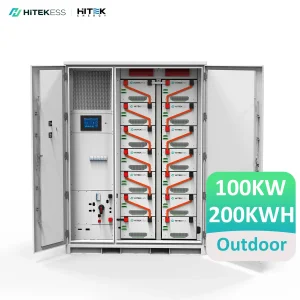
Explore our cutting-edge thermal management, smart battery management systems (BMS), and advanced energy storage configurations.
In the rapidly shifting landscape of global utility, industrial, and maritime power grids, the demand for resilient, high-capacity energy storage has never been more critical. While lithium-ion chemistries dominate consumer electronics and light electric vehicles, Deep Cycle Lead-Acid Batteries remain the absolute cornerstone of critical infrastructure backup, heavy duty industrial equipment, and robust off-grid installations.
Ningbo Sahnova Solar Co., Ltd. has established itself at the forefront of this industrial transition. Formed with a long-term vision to catalyze the global transition toward clean, sustainable, and dependable energy storage, we design, manufacture, and integrate state-of-the-art battery technologies. By bridging the gap between time-tested electrochemistry and advanced microgrid controls, Sahnova delivers engineered solutions that survive where others fail.
Traditional battery installations often struggle with thermal runaway, fast degradation under extreme depth of discharge (DoD), and weak structural resilience. Our research and development focuses heavily on resolving these failure modes via superior plate metallurgy, structural case optimization, and integrated battery management systems, maximizing return on investment (ROI) for global engineering partners.

Engineering deep cycle capability is not just about thicker plates; it is an optimization of chemistry, structural density, and alloy purity.
We utilize high-purity Lead-Calcium-Tin alloys. Minimizing antimony reduces water loss and self-discharge rates to less than 2% per month, extending float service life to over 12-15 years at standard temperatures.
By increasing the active material paste density and utilizing automated double-sided pasting, our plates withstand the mechanical stresses of repeated deep charge-discharge cycling without shedding active material.
Our AGM separators utilize ultra-fine glass fibers with high porosity, ensuring optimal acid absorption, internal gas recombination rates above 99%, and complete elimination of acid stratification.
A balanced, objective engineering comparison highlighting cost-efficiency, thermal safety, and structural application constraints.
| Performance Attribute | Deep Cycle VRLA AGM / Gel | Lithium Iron Phosphate (LiFePO4) | Engineering & System Selection Guidance |
|---|---|---|---|
| Initial Capital Expense (CAPEX) | Low (Highly cost-effective short-term) | High (Substantial initial investment) | Lead-acid remains the premier choice for low-frequency backup and remote backup applications. |
| Operating Temperature Range | Wide (-20°C to +55°C) | Narrow (0°C to +45°C for charging) | Lead-acid functions reliably in extreme sub-zero conditions without requiring sophisticated heating systems. |
| Thermal Runaway Risks | Extremely low (Non-flammable electrolyte) | Moderate (Requires cell-level monitoring) | VRLA is highly favored in confined spaces, heavy industrial plants, and safety-critical maritime environments. |
| Recycling Infrastructure | 99.2% Closed-Loop (Industry Standard) | <10% Globally (Technologically complex) | E-E-A-T benchmark: Lead-acid represents the most successful circular economy model in modern battery manufacturing. |
| Complexity & BMS Dependence | Minimal (Self-balancing capability) | Critical (Requires active cell balancing) | Lead-acid offers plug-and-play simplicity, drastically reducing maintenance downtime in remote geographic sites. |
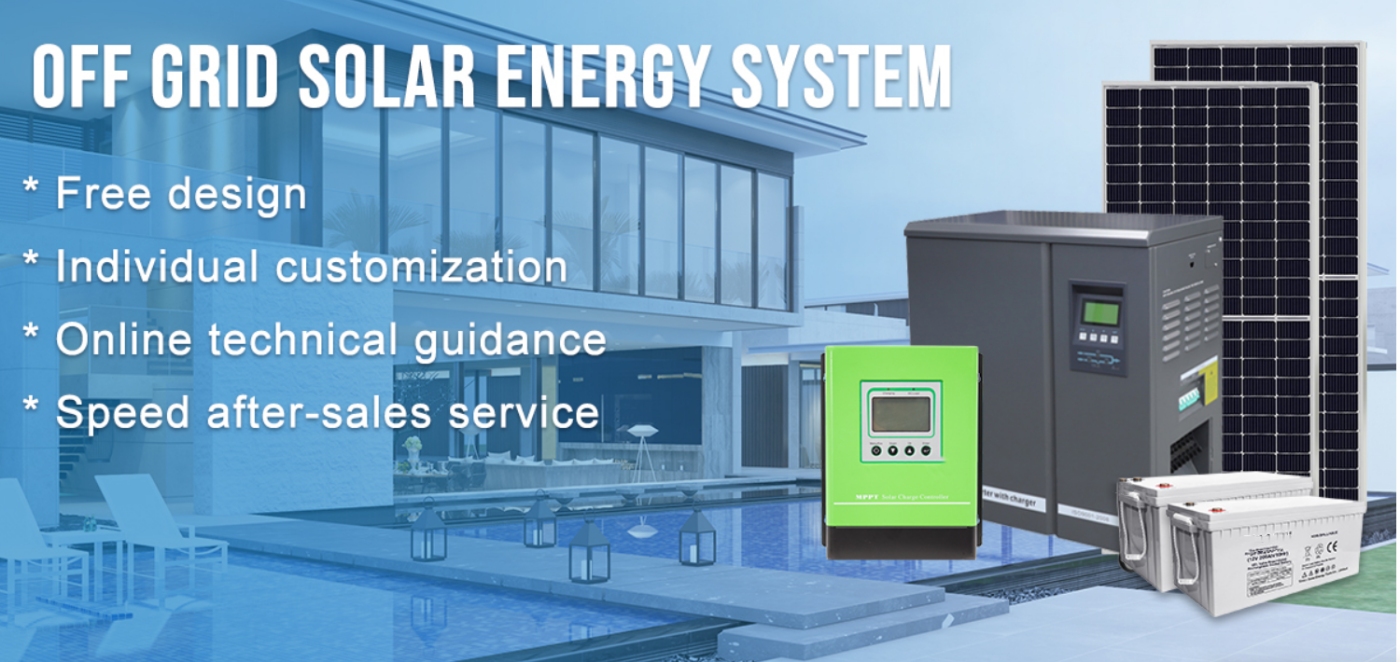
No two commercial operations share the exact same load profile, thermal environment, or space footprint. Ningbo Sahnova Solar Co., Ltd. has developed a highly flexible OEM and ODM process that translates engineering demands into robust electrochemical hardware.
Drawing from our historical expertise in lithium battery assembly and integrated Battery Management Systems (BMS), we approach lead-acid system engineering with a unique digital perspective. While traditional factories treat lead-acid as a basic analog component, Sahnova integrates advanced telemetry, customized outer structural enclosures, and optimized charging rectifiers to deliver unified power solutions.
Whether your project requires custom containerized configurations, special high-vibration resistant casing for heavy mining equipment, or customized terminal heights for telecommunication racks, Sahnova's engineering team handles the design, validation, and manufacturing to strict international standards.
Deploying energy systems engineered specifically for local environmental and operational challenges.
In telecommunications and rural electrification projects, reliability is everything. Our deep cycle batteries provide the vital buffer for hybrid solar/wind generators, tolerating fluctuating charge currents and maintaining operational stability across remote regions with limited maintenance access.
From industrial warehouse forklifts to airport Ground Support Equipment (GSE), heavy deep cycle traction systems must deliver sustained high current. The robust plate design from Sahnova ensures structural stability under high-vibration and frequent mechanical impacts.
Datacenters and power substations require unconditional instantaneous backup power. Sahnova's low internal resistance AGM and Gel batteries respond immediately, preventing catastrophic downtime and ensuring grid synchronization is maintained without failure.
Why sourcing from Ningbo, China ensures unmatched economic and supply chain security for your project portfolio.
Our production plants are situated strategically close to the Port of Ningbo-Zhoushan, the world's busiest port by cargo tonnage. This allows for streamlined container loading, direct maritime routes to major global hubs, and significantly reduced domestic transport costs and lead times.
China is home to the most mature, vertically integrated lead and battery recycling supply chain globally. From primary lead smelting to ultra-pure water preparation and specialized container plastics molding, our factory controls and monitors incoming material purity, mitigating geopolitical and commodity price shocks.
By investing in fully automated continuous grid casting, automated curing chambers, and computerized battery formation equipment, Sahnova reduces human error, guarantees cell-to-cell consistency, and provides economies of scale that cannot be matched by smaller regional manufacturers.
Answering critical technical questions to help project managers and engineers design optimal storage systems.
The lifecycle of a lead-acid battery is highly dependent on the depth of discharge. Discharging a battery to 100% DoD repeatedly will result in roughly 300-400 cycles under standard conditions due to active material stress. By designing systems to run at 50% DoD, the cycle life is typically extended to over 1,000-1,200 cycles. We recommend sizing system storage capacity to a maximum daily discharge depth of 40-50% for optimal cycle-to-cost efficiency.
AGM batteries utilize an absorbent glass mat separator that holds the liquid electrolyte in close contact with the active plate materials. Gel batteries use silica-gelled electrolyte, which creates tiny micro-cracks during curing, allowing oxygen recombination. Gel batteries handle higher ambient temperatures and deep discharge recovery better than AGM because the gel mass provides superior heat dissipation and prevents electrolyte dry-out in hot locations.
A 3-stage charging profile is essential: Bulk (constant current, charging up to ~80% capacity), Absorption (constant voltage at roughly 2.4V per cell to fully charge the plates and allow recombination), and Float (reduced constant voltage at roughly 2.25V per cell to keep the battery charged without causing grid corrosion or water loss). An equalization charge should be applied periodically to reverse minor sulfation.
Our manufacturing plants adhere strictly to ISO 14001 environmental management protocols. We implement advanced air filtration and closed-circuit wastewater treatment systems to eliminate lead discharge. Because lead-acid batteries are highly standardized, our products are easily processed through regional recycling schemes, where more than 99% of the lead and plastic is refined and reused for new battery production.
Yes. Leveraging our deep background in smart BMS design for lithium-ion systems, we can engineer custom lead-acid monitoring solutions that track individual block voltages, ambient temperature, state of charge (SoC), and state of health (SoH), communicating this data via Modbus, CANbus, or RS485 to standard SCADA systems.
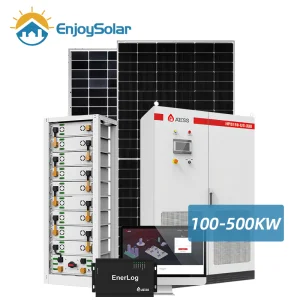
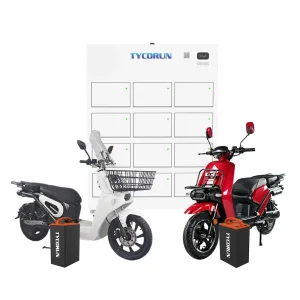
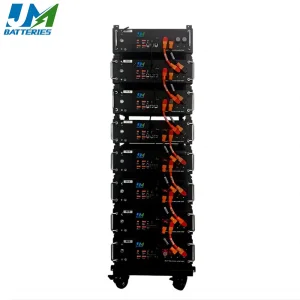
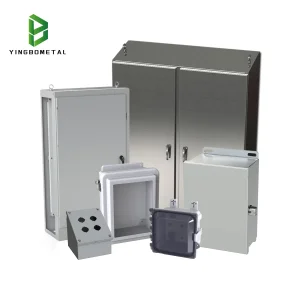
Discover our range of advanced commercial battery systems, hybrid solar kits, smart EV charging stations, and robust metal storage enclosures.
 Sahnova Solar