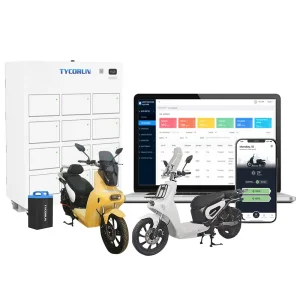
Advanced battery sharing systems designed to withstand local environmental challenges while offering maximum operational uptime.
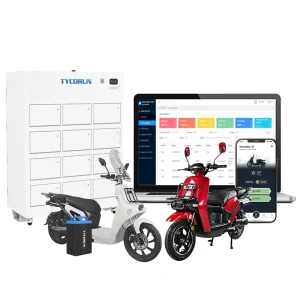
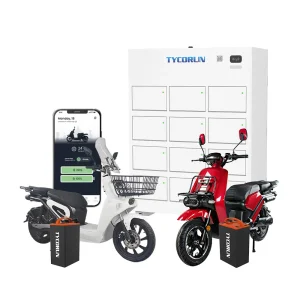
Deploying micro-mobility solutions in East Africa, particularly in South Sudan (Juba, Wau, Malakal), requires a deep understanding of local infrastructural paradigms. South Sudan faces high fuel costs, localized distribution constraints, and a critical reliance on import supply corridors through Mombasa. In urban hubs like Juba, motorcycle taxis (Boda-Bodas) drive local transport economies. Electric scooters and light electric vehicles (LEVs) offer a crucial alternative to costly fossil fuels, but their deployment depends entirely on the design of the electric scooter battery system.
Environmental factors in South Sudan include sustained high ambient temperatures (often exceeding 40°C), dusty unpaved roads, and limited national grid coverage. Standard battery packs fail due to thermal accumulation and fine dust ingress. Our custom lithium-ion and LiFePO4 battery modules are designed for these conditions, featuring IP67 structural sealing, passive cooling paths, and advanced thermal throttling BMS designs to ensure long lifecycle performance under extreme heat.
"To succeed in East Africa's off-grid transport sector, battery systems must be modular, heat-resilient, and built with integrated telemetry for remote tracking and charge optimization."

The global push for decentralized clean energy is reshaping light vehicle fleets in developing economies.
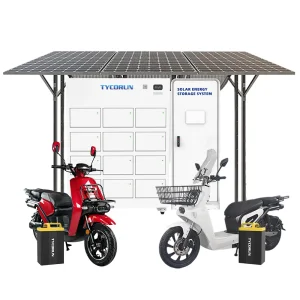
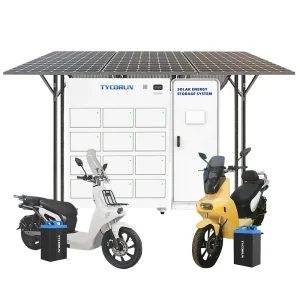
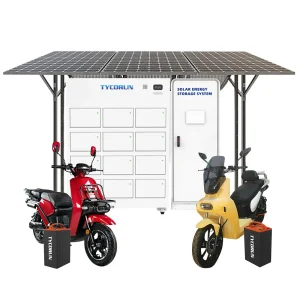
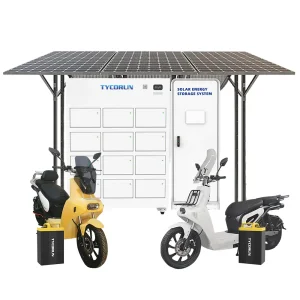
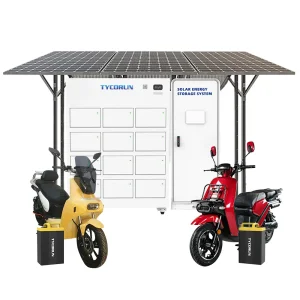
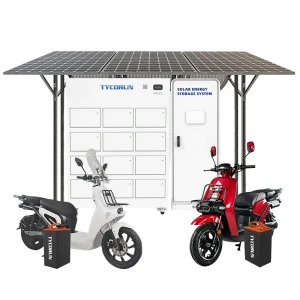
Unreliable grid connections have driven operators to adopt solar-integrated battery swapping stations. By pairing photovoltaic arrays directly with intelligent battery charging cabinets, local operators can achieve 100% fuel independence.
Lithium Iron Phosphate (LFP) is quickly becoming the standard chemistry for harsh environments. LFP offers excellent thermal stability, safety, and up to 3000 to 4000 charge cycles, lowering the total cost of ownership (TCO) for fleet operators.
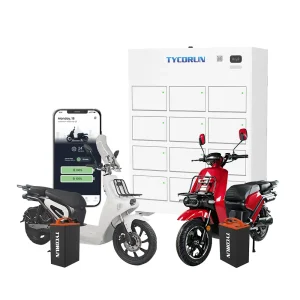
Modern fleet managers require real-time visibility. Integrated GPS trackers and GSM-enabled Battery Management Systems (BMS) monitor cell voltage, temperature, state of charge (SoC), and location to prevent theft and optimize charging cycles.
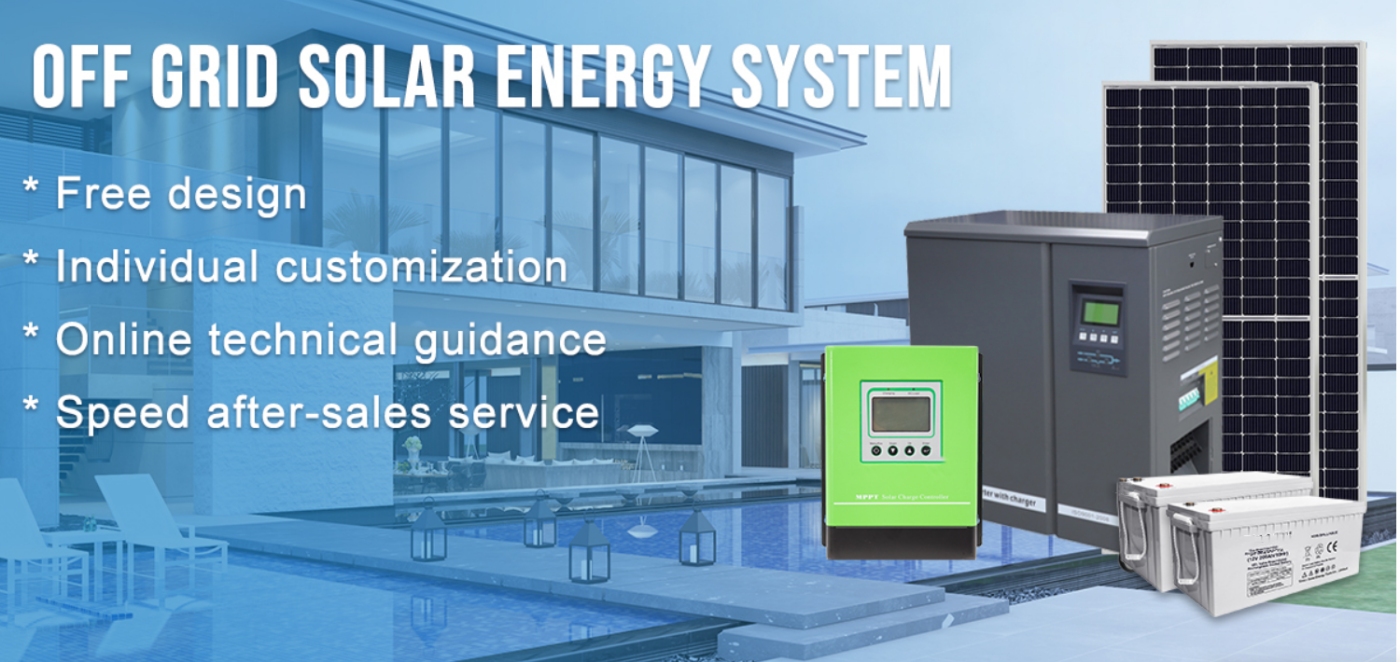
Ningbo Sahnova Solar Co., Ltd. is a professional manufacturer specializing in lithium battery solutions for solar energy storage, automotive applications, and e-mobility systems. Established with a vision to support the global transition toward clean and sustainable energy, the company focuses on delivering high-performance, reliable, and safe battery products tailored to diverse application scenarios.
In its early development stage, Sahnova concentrated on basic battery assembly and integration services, gradually building technical expertise in lithium battery design and energy management systems. As demand for renewable energy and electric mobility grew, the company expanded its capabilities by investing in advanced production equipment, automated assembly lines, and rigorous quality control systems.
Today, Ningbo Sahnova Solar Co., Ltd. offers a wide range of lithium battery solutions, including energy storage battery packs, automotive starter batteries, and customized battery systems for electric bicycles and other mobility devices. The company integrates battery management systems (BMS) into its products to ensure optimal performance, safety, and longevity.
How our heavy-duty scooter battery systems solve real transport challenges in East Africa.
Motorcycle taxis in Juba are the backbone of local logistics and transport. High operational fuel costs eat into daily earnings. By deploying our smart swapping cabinet networks combined with high-discharge 60V and 72V LiFePO4 battery modules, fleet operators can cut operating costs by up to 45%.
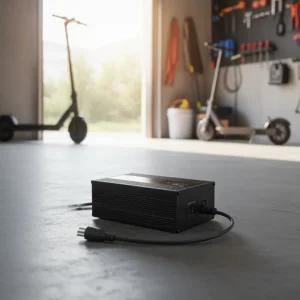
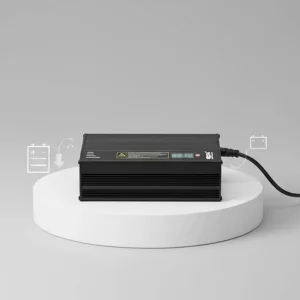
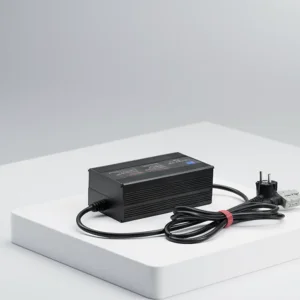
United Nations agencies and non-governmental organizations operating in rural South Sudan need quiet, reliable, and emission-free transport. Our all-in-one solar energy storage systems and 500W-1500W fast-charging systems allow clean energy generation at remote field sites, keeping electric scooters running off-grid.
Where grid power is unavailable, solar power stations charge scooter batteries directly. Our battery swapping cabinets can be connected to solar arrays, managing charge currents through a central inverter to protect cells from voltage fluctuations.
As retail and distribution business models evolve in Juba, last-mile delivery vehicles need consistent range. Our battery systems feature CAN-bus communications, giving delivery riders accurate state-of-charge tracking on a dashboard or mobile app to prevent breakdowns.
Unpaved roads generate fine abrasive dust during dry seasons and deep mud during rainy seasons. All our battery systems feature rugged structural designs with extruded aluminum enclosures, internal silicone potting, and IP67 waterproof connector plugs.
Browse our complete catalog of industrial-grade batteries, charging stations, and smart swapping systems.
Steps to ensure quality compliance and reliable shipping logistics when sourcing battery systems.
Prioritize nominal pack voltage (typically 60V or 72V for electric scooters), continuous discharge rating, and peak discharge currents. Ensure the BMS matches your motor controller's communication protocols (such as CAN 2.0B or RS485).
Lithium battery systems are classified as Class 9 Dangerous Goods. Ensure the manufacturer provides valid UN38.3 test summaries, MSDS, and CE/EN declarations of conformity. At Ningbo Sahnova, every battery pack undergoes dual-stage cell grading and active load cycle tests before shipment.
Transit to landlocked South Sudan usually goes through the Port of Mombasa (Kenya) followed by overland transport via the Northern Corridor to Juba. Working with freight forwarders who specialize in dangerous goods (DG) logistics is essential to ensure smooth clearing at East African borders.
Operating in harsh environments can lead to component wear. Ask about warranty policies, replacement modules, and remote BMS diagnostic support. Ningbo Sahnova offers modular spare parts programs and remote engineering assistance to minimize fleet downtime.
Essential information on engineering, performance, safety, and shipping logistics for B2B buyers.
LFP chemistry features high thermal runaway thresholds (approx. 270°C compared to NMC's 210°C), making it much safer and more stable in high-temperature environments. LFP cells also deliver a long cycle life (typically 3,000+ cycles at 80% DOD), significantly reducing long-term costs compared to NMC options.
Our Tycorun outdoor swapping cabinets and battery enclosures are built to IP65/IP67 ingress standards. They feature weather-resistant seals, dust filters, and specialized ventilation systems to keep moisture and fine dust out of the internal charging bays.
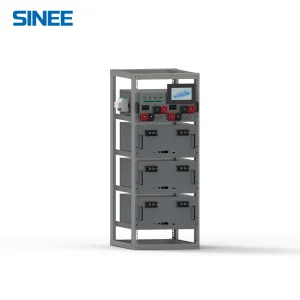
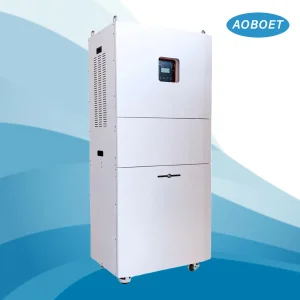
Yes, systems like the Aobo All-in-One Solar Power Station are designed to connect directly to photovoltaic solar arrays. They manage solar power inputs, stabilize charging currents, and can be paired with stationary backup batteries to charge electric scooters day or night without relying on the local electrical grid.
Our smart Battery Management Systems (BMS) offer features like cell balancing, overcharge/overdischarge protection, temperature tracking, and CAN-bus/RS485 communication. They can also include GPS tracking and GSM modules for real-time monitoring and anti-theft security.
Ocean freight from Ningbo, China to the Port of Mombasa (Kenya) usually takes about 25 to 35 days. Overland transport and customs clearance from Mombasa to Juba typically takes another 10 to 18 days, depending on border processing times.
Yes, we offer complete OEM and ODM customization. We can adjust battery pack dimensions, nominal voltages, continuous discharge rates, casing designs, and software integrations to match your specific electric scooter models and brand requirements.
We provide comprehensive warranty coverage on all battery packs and charging stations. We offer replacement parts, replacement cells, and remote diagnostic support via our engineering team to help you troubleshoot and resolve any issues quickly.
Absolutely. All our battery systems carry UN38.3 test certifications, MSDS reports, and are packaged according to strict international maritime dangerous goods (IMDG) standards to ensure safe and legal transport.
Partner with a reliable manufacturer to design, build, and deploy high-performance battery systems tailored for South Sudan's demanding environments.
Get A Custom Quote Today Sahnova Solar