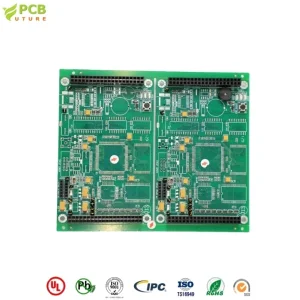
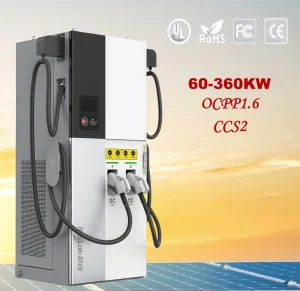
High-performance lithium packs, active balancing systems, and intelligent thermal management setups engineered for critical applications.
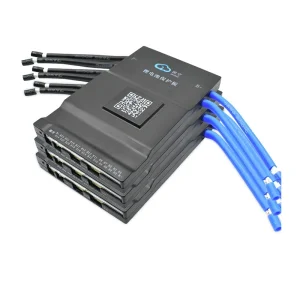
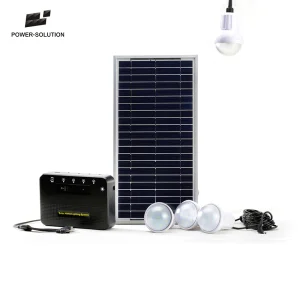
Ningbo Sahnova Solar Co., Ltd. is a professional manufacturer specializing in lithium battery solutions for solar energy storage, automotive applications, and e-mobility systems. Established with a vision to support the global transition toward clean and sustainable energy, the company focuses on delivering high-performance, reliable, and safe battery products tailored to diverse application scenarios.
In its early development stage, Sahnova concentrated on basic battery assembly and integration services, gradually building technical expertise in lithium battery design and energy management systems. As demand for renewable energy and electric mobility grew, the company expanded its capabilities by investing in advanced production equipment, automated assembly lines, and rigorous quality control systems.
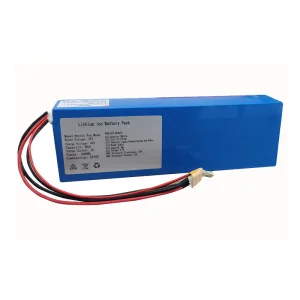
Today, Ningbo Sahnova Solar Co., Ltd. offers a wide range of lithium battery solutions, including energy storage battery packs, automotive starter batteries, and customized battery systems for electric bicycles and other mobility devices. The company integrates battery management systems (BMS) into its products to ensure optimal performance, safety, and longevity.
With a strong engineering team and a customer-oriented approach, Sahnova continues to provide customized solutions and technical support to clients worldwide. The company is committed to innovation, quality, and sustainability, striving to become a trusted global partner in the lithium battery and energy storage industry.

Exploring the macroeconomic forces and technological advancements shaping the future of industrial power storage.
Lithium Iron Phosphate (LiFePO4) has emerged as the dominant chemistry for stationary energy storage systems (BESS) due to its superior thermal stability, safety profile, and prolonged cycle life of over 6,000 cycles at 80% DOD compared to NMC chemistry.
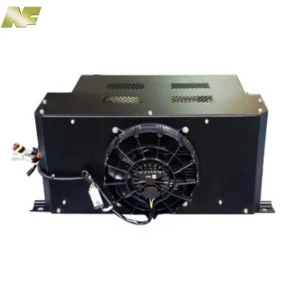
Active liquid and air-cooled Battery Thermal Management Systems (BTMS) are now essential in C&I projects. Proper thermal dissipation prevents localized hotspots, limits degradation rates, and significantly mitigates thermal runaway risks.
Modern energy storage setups rely on active balancing systems with telemetry capabilities. Edge computing within the BMS tracks State of Charge (SoC) and State of Health (SoH) metrics, communicating via CAN, RS485, or Modbus protocols to centralized EMS clouds.
Deciphering the critical parameters and compliance standards international buyers expect from rechargeable battery suppliers.
Global procurers look for compliant manufacturing architectures. Solutions must be rigorously certified under CE, UL1973, IEC62619, and UN38.3 standards to guarantee safety during deep cycling, high-voltage operation, and international shipping.
Off-the-shelf basic battery integrations often suffer from early cell deterioration. Global projects demand smart BMS solutions with active cell balancing (ranging from 0.6A to 2A currents) to prevent premature capacity mismatching.
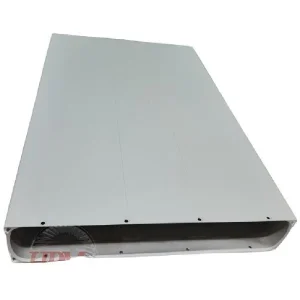
From custom aluminum enclosures designed for rugged industrial settings to complex defense and agricultural integrations, buyers require turnkey mechanical engineering and high-tolerance rapid prototyping services.
Electric transit vehicles and heavy machinery draw high continuous currents. Systems lacking high-efficiency BTMS modules experience rapid degradation. Automated bus and forklift systems demand specialized active thermal regulation.
By leveraging highly automated cell-sorting technology, automatic laser-welding lines, and centralized visual inspection systems, Ningbo Sahnova Solar guarantees minimal cell internal resistance variance.
Our close integration within the Yangtze River Delta battery supply chain cluster guarantees short lead times, stable component sourcing, and competitive pricing for both custom lithium chemistry and heavy-duty structural steel and aluminum enclosures.
Modern battery manufacturing requires strict quality control to avoid field issues. At Sahnova's production facilities in Ningbo, we operate automated assembly lines that significantly reduce human errors in cell group matching, BMS terminal soldering, and structural shell configuration.
Our raw materials, including high-grade LFP pouch cells, prismatic cells, and smart active-balance BMS, undergo stringent incoming quality control (IQC). Each production batch must pass comprehensive automated test equipment (ATE) checks. This system measures individual cell voltages, internal AC resistance, and monitors charge-discharge profiles under simulated heavy load conditions.
This level of supply chain vertical integration allows us to customize components rapidly. Whether you require bespoke dimensions for defense application enclosures or complex agricultural multi-voltage battery packs, our Factory 4.0 infrastructure delivers quick turnarounds without sacrificing product safety or longevity.
From C&I microgrids to heavy machinery mobility, our batteries are designed for high-stress applications.
High-voltage containerized systems designed to store energy during off-peak hours and discharge during demand spikes, lowering facility electricity costs.
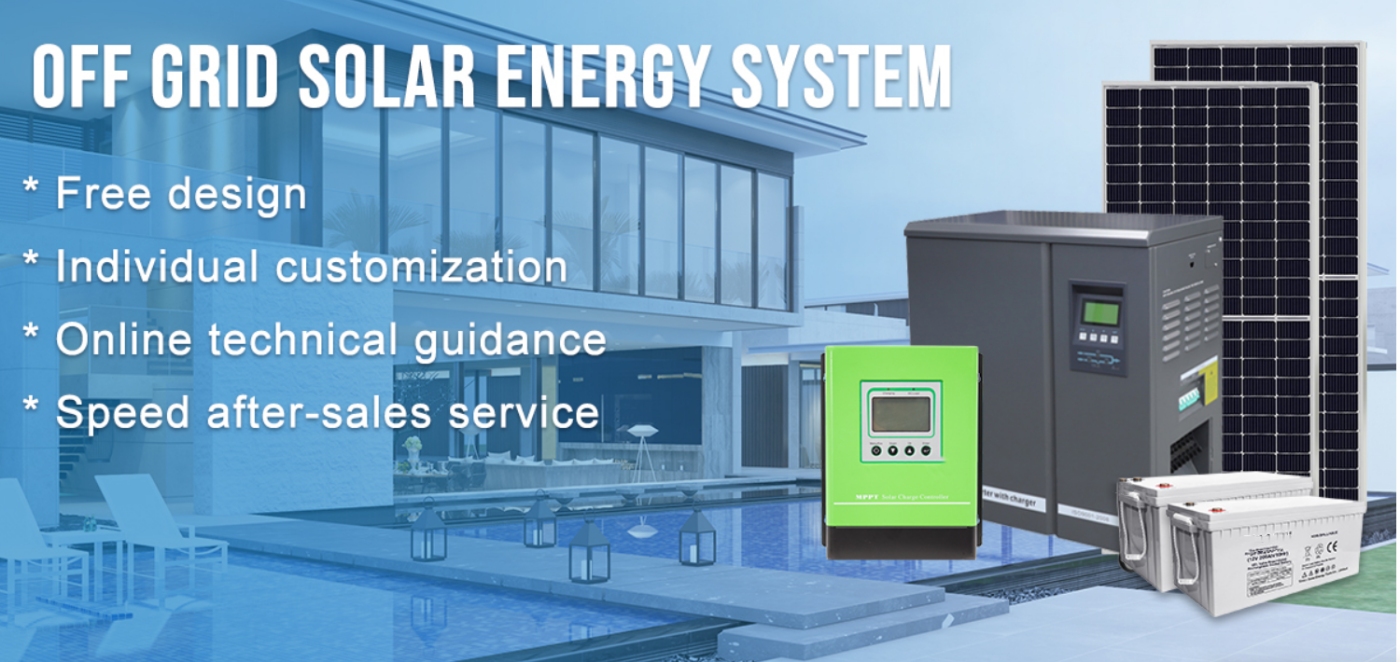
Empowering off-grid agricultural farms, defense facilities, and telecom base stations with high-capacity deep cycle battery storage integrated with PV arrays.
High-discharge-rate battery packs custom built for municipal electric buses, heavy forklifts, electric motorbikes, and e-scooters requiring high cycle stability.
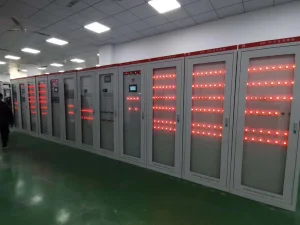
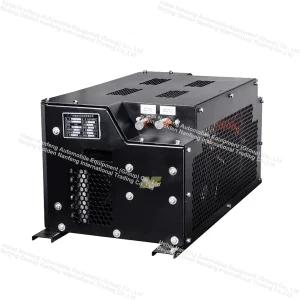
High-voltage 220VDC battery backup stations and custom aluminum enclosures tailored for data centers, hospitals, and critical manufacturing facilities.
Detailed technical answers to standard engineering and procurement inquiries regarding custom rechargeable systems.
Lithium Iron Phosphate (LFP / LiFePO4) offers superior safety and longevity, with a thermal runaway threshold of approximately 270°C, compared to Lithium Nickel Manganese Cobalt (NMC), which triggers runaway at 210°C. LFP cells routinely deliver over 4,000 to 6,000 cycles at 80% Depth of Discharge (DoD), making them highly cost-effective for stationary C&I energy storage, agricultural grids, and localized microgrids. NMC, while more energy-dense, has a shorter cycle life (around 1,500 to 2,000 cycles) and is primarily reserved for weight-sensitive applications where maximum density is required.
Passive balancing systems dissipate excess energy from higher-voltage cells as heat through resistors, typically using tiny bypass currents (around 30mA to 80mA). This approach is inefficient and generates heat within the pack. Active Balance BMS systems (like our JK active balance architectures supporting up to 24S configurations) transfer charge from high-energy cells to lower-energy cells with minimal heat generation, using dynamic currents of 0.6A to 2.0A. Active balancing preserves capacity, minimizes cell mismatch degradation, and extends the operational lifetime of the battery pack by up to 25%.
Electric buses and heavy machinery undergo continuous fast-charging and high-discharge cycles, which generate significant internal heat. Without an integrated BTMS (using either active liquid cooling loops or forced air configurations), cell temperatures can rise above 50°C. High operational temperatures accelerate chemical degradation, cause mismatched internal cell resistance, and raise safety concerns. A dedicated BTMS maintains the entire pack within a stable temperature window of 25°C to 35°C, ensuring safety, consistent range, and a longer battery pack lifespan.
Yes. Sahnova provides custom aluminum and steel energy storage enclosures designed for industrial environments. These enclosures feature high-tolerance CNC-milled panels, weatherproofing (ranging from IP54 to IP65), integrated vibration dampening, and custom mounting brackets. They are designed to fit backup power systems, industrial machinery, and telecom battery banks, ensuring safety under extreme environmental conditions.
Depending on the configuration, Sahnova battery packs and charging systems are designed to meet CE, UL1973, IEC62619, and UN38.3 standards. These certifications ensure compliance with safety, performance, and thermal stability requirements for commercial deployment and international transport.
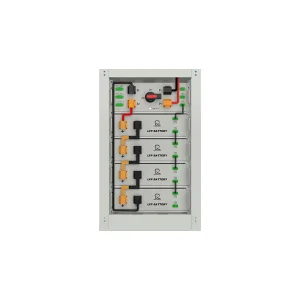
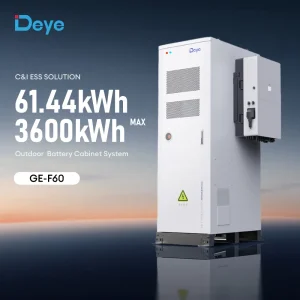
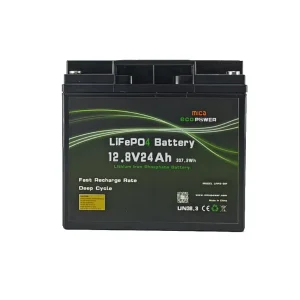
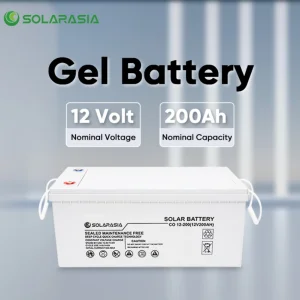
From customized e-bike battery configurations to utility-scale solar cabinets, explore our industrial product line.
 Sahnova Solar