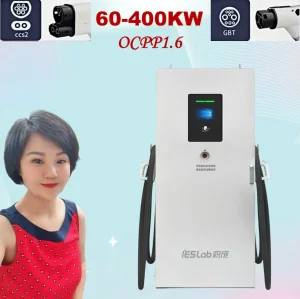
Engineered for durability, high-rate discharge efficiency, and absolute safety across industrial and residential applications.
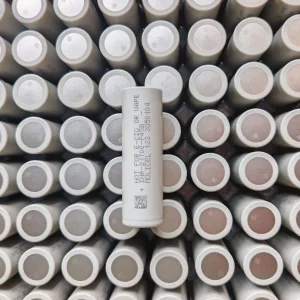
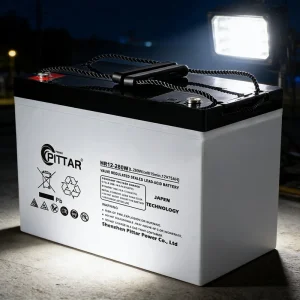
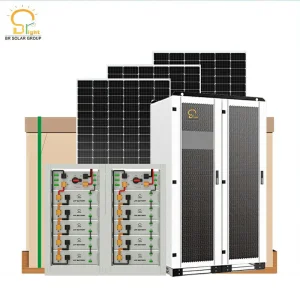
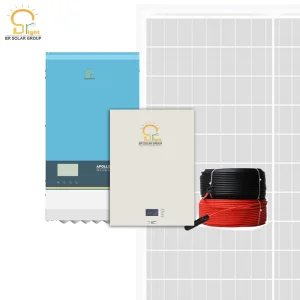
Understanding the technological drivers behind decentralized power grids, extreme-density cell performance, and global supply stability.
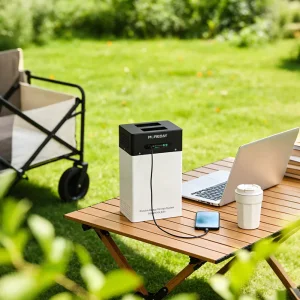
The global demand for portable renewable power has shifted from rudimentary low-capacity emergency backups to high-output industrial energy assets. The integration of high-rate 45A discharge lithium cells, robust active-balancing Battery Management Systems (BMS), and advanced thermal management architectures has redefined performance baselines. Today, commercial operations, emergency response services, and remote installations rely on portable systems capable of executing deep discharge cycles under harsh environment criteria.
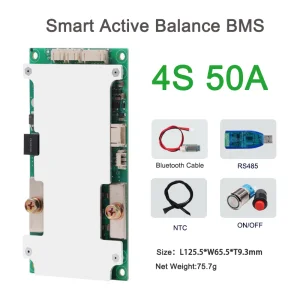
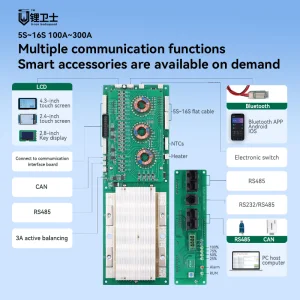
Standard passive cell balancing is no longer sufficient. Modern portable and off-grid solutions implement Active Balance BMS architectures to dynamically redistribute charge among cells. This reduces heat generation, increases overall cycle lifespan by up to 30%, and ensures safety in heavy-load scenarios. Coupled with temperature-resistant chemistries, these storage systems maintain efficiency in sub-zero and high-heat environments alike.
Data-driven performance benchmarks that highlight the scale of contemporary manufacturing and shipping capabilities.
Why the Yangtze River Delta and South China clusters represent the absolute pinnacle of battery assembly and components procurement.
The concentration of raw lithium extraction processing, anode/cathode production facilities, high-precision automated assembly equipment, and specialist marine shipping infrastructure gives Chinese exporters an unparalleled margin of capability. This cluster effect means that cutting-edge technologies—such as active-balancing 16S BMS platforms and advanced modular outdoor storage cabinets—go from structural R&D phase to global commercial distribution faster than anywhere else on earth.
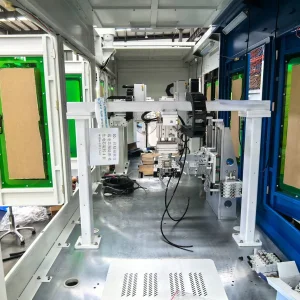
Furthermore, local assembly quality is reinforced by automated industrial machinery. Heavy investments in high-speed laser welding machines ensure contact resistances at the pack level are minimized, which prevents localized thermal buildup and vastly increases safety parameters.
Pioneering standard-compliant, long-cycle energy storage systems and high-rate battery packs for international markets.

Ningbo Sahnova Solar Co., Ltd. is a professional manufacturer specializing in lithium battery solutions for solar energy storage, automotive applications, and e-mobility systems. Established with a vision to support the global transition toward clean and sustainable energy, the company focuses on delivering high-performance, reliable, and safe battery products tailored to diverse application scenarios.
In its early development stage, Sahnova concentrated on basic battery assembly and integration services, gradually building technical expertise in lithium battery design and energy management systems. As demand for renewable energy and electric mobility grew, the company expanded its capabilities by investing in advanced production equipment, automated assembly lines, and rigorous quality control systems.
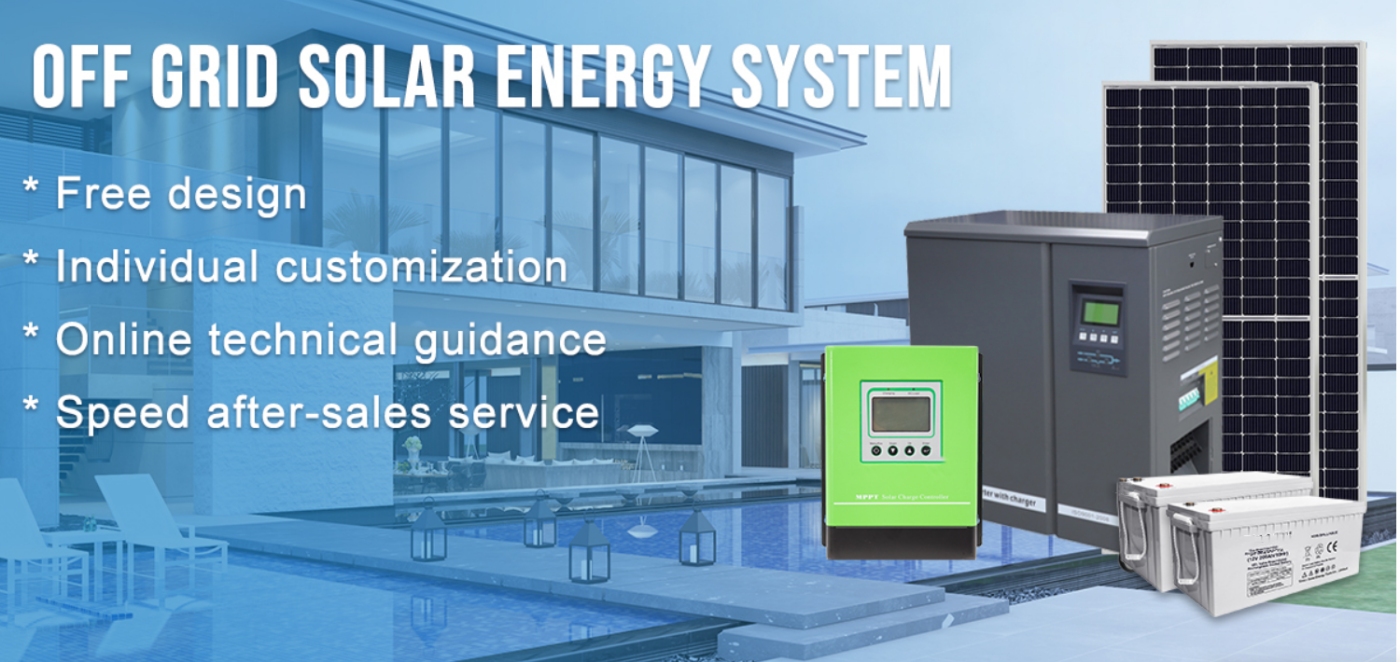
Today, Ningbo Sahnova Solar Co., Ltd. offers a wide range of lithium battery solutions, including energy storage battery packs, automotive starter batteries, and customized battery systems for electric bicycles and other mobility devices. The company integrates battery management systems (BMS) into its products to ensure optimal performance, safety, and longevity.
With a strong engineering team and a customer-oriented approach, Sahnova continues to provide customized solutions and technical support to clients worldwide. The company is committed to innovation, quality, and sustainability, striving to become a trusted global partner in the lithium battery and energy storage industry.
Crucial certification pathways and localized logistics practices that professional buyers must demand from top tier exporters.
Every single lithium pack exported globally must adhere strictly to UN38.3 certification standards, ensuring stability under extreme vibration, temperature shocks, and external short-circuits. Premium manufacturers secure dedicated MSDS (Material Safety Data Sheets) and maritime transport certifications to prevent logistics delays at international ports.
For commercial grid-tied systems and stationary batteries, certifications like UL 1973 (for energy storage) and IEC 62619 (for industrial applications) are mandatory in Europe and North America. Exporters must provide comprehensive reports demonstrating system-level thermal runaway mitigation and hardware redundant safety mechanisms.
Leading global power suppliers establish localized technical service networks. This model goes beyond sending replacement units. It encompasses OTA (Over-the-Air) BMS diagnostic updates, locally stocked replacements for key sub-modules (like display panels or swap-out power circuit boards), and technical training resources for local contractors. High-quality field installation support reduces overall system failure rates by over 40% during the first operating year.
From remote medical outposts to high-capacity industrial backup micro-grids.
Providing uninterrupted power in critical residential, clinical, or field command structures during municipal grid failures. System integration with off-grid PV panels allows infinite operation loops.
Powers telecommunication towers, meteorological stations, and environmental sensors in extreme climates (-20°C to +60°C) with low-temperature resistant power lithium cells.
Empowering last-mile delivery vehicles, utility ATVs, and electric cars with rapid charger nodes and custom cell assembly designs optimized for repetitive thermal stress.
Technical and logistical insights designed to assist procurement managers in finalizing supply contracts.
Passive balancing dissipates excess energy from high-voltage cells as heat through resistors, which lowers overall pack efficiency. Active balancing relocates energy from high-capacity cells to lower-capacity cells dynamically. This preserves power, reduces heat generation, and ensures consistent cell wear, making it essential for high-capacity systems.
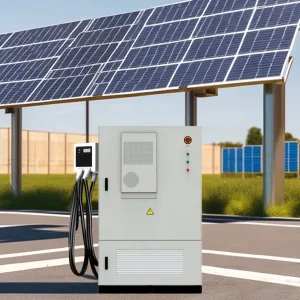
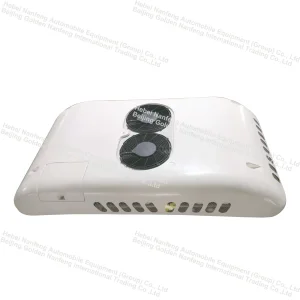
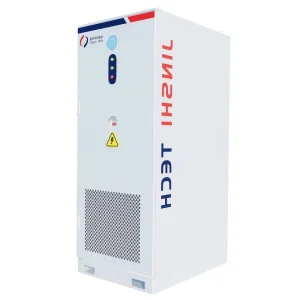
Thermal runaway is the single greatest risk in lithium deployments. Advanced packs integrate dedicated cooling units (such as 7.5kW cooling capacity systems) to maintain battery cores in the optimal 20-30°C range. This prevents cell degradation, prevents fire risks, and preserves the cycle life rating.
Cylindrical cell variants (such as the high-rate 21700-P45B/P50B) offer superior structural rigidity under vibration and mechanical shock. Their internal pressure release mechanisms prevent pouch-swelling issues, which translates to superior reliability in rugged, portable field deployment scenarios.
Large-scale battery shipments (typically >100Wh) are categorized as Class 9 Dangerous Goods. Exporters must possess UN38.3 test summaries, appropriate safety packaging (UN-approved drums or boxes), and book space with shipping lines certified to handle DG freight to prevent customs seizures.
Explore high-quality BMS, custom system integration, thermal control units, and robust alternative chemistry solutions.
 Sahnova Solar