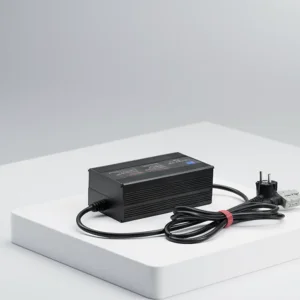
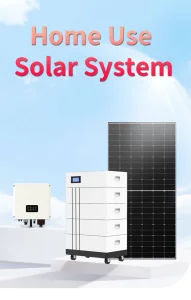
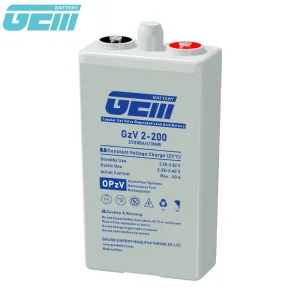
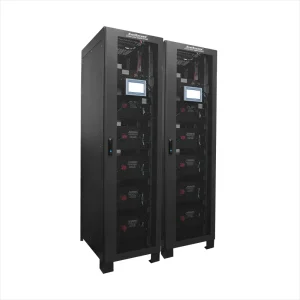
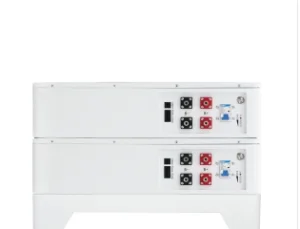
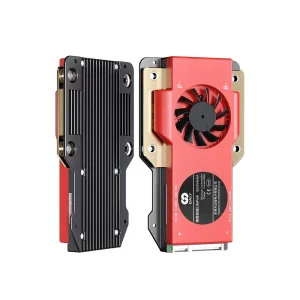
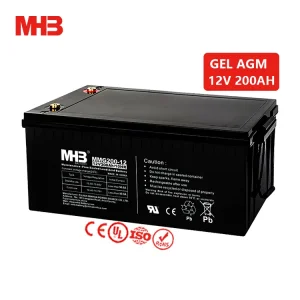
Explore our high-performance solutions engineered for automotive, marine, industrial utility scale, and smart grid applications.
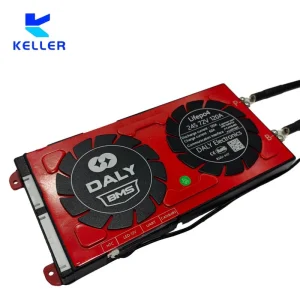
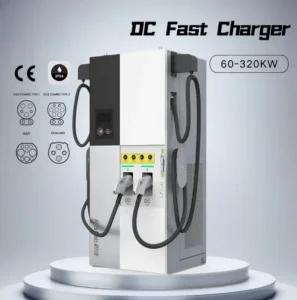
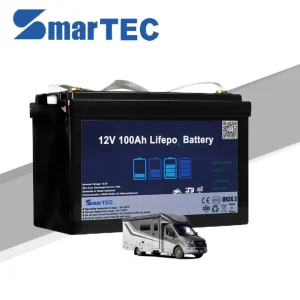
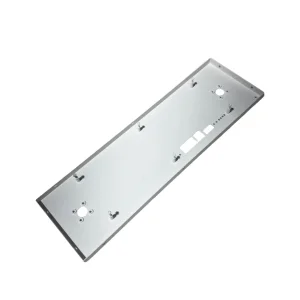
Ningbo Sahnova Solar Co., Ltd. is a professional manufacturer specializing in lithium battery solutions for solar energy storage, automotive applications, and e-mobility systems. Established with a vision to support the global transition toward clean and sustainable energy, the company focuses on delivering high-performance, reliable, and safe battery products tailored to diverse application scenarios.
In its early development stage, Sahnova concentrated on basic battery assembly and integration services, gradually building technical expertise in lithium battery design and energy management systems. As demand for renewable energy and electric mobility grew, the company expanded its capabilities by investing in advanced production equipment, automated assembly lines, and rigorous quality control systems.
Today, Ningbo Sahnova Solar Co., Ltd. offers a wide range of lithium battery solutions, including energy storage battery packs, automotive starter batteries, and customized battery systems for electric bicycles and other mobility devices. The company integrates battery management systems (BMS) into its products to ensure optimal performance, safety, and longevity.
With a strong engineering team and a customer-oriented approach, Sahnova continues to provide customized solutions and technical support to clients worldwide. The company is committed to innovation, quality, and sustainability, striving to become a trusted global partner in the lithium battery and energy storage industry.

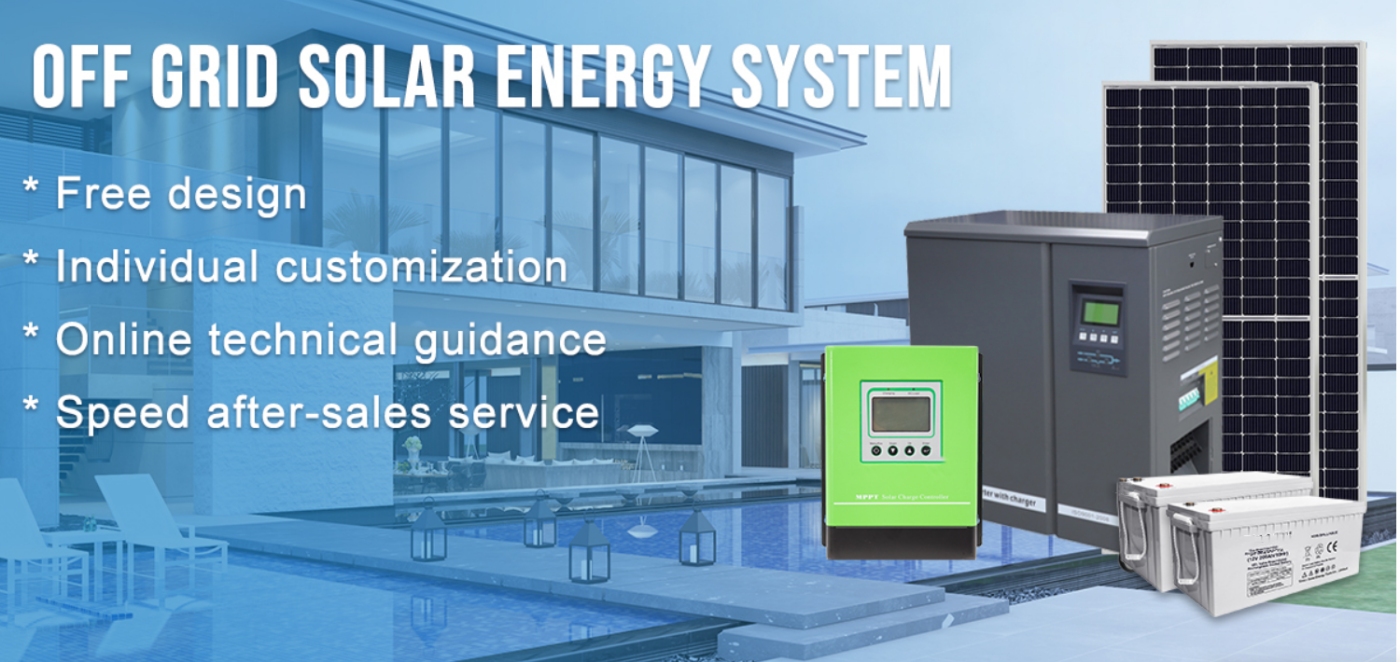
A data-backed guide on optimizing custom OEM battery architectures, navigating high-voltage setups, and maximizing cell lifecycle returns in utility-scale infrastructure.
The global shift toward decentralized grids requires battery energy storage systems (BESS) that offer longer cycle lives, higher energy density, and superior safety margins. Lithium Iron Phosphate (LiFePO4) chemistry has emerged as the industry standard for stationary storage due to its exceptional chemical stability, low fire hazard risk, and superior thermal tolerance compared to cobalt-rich NMC chemistries. Concurrently, advanced solid-state and high-voltage grid topologies are moving from pilot stages to full industrial scaling.
Modern renewable installations require systems capable of continuous charge-discharge cycling (ranging from 6,000 to over 8,000 cycles at 80% Depth of Discharge). Furthermore, systems must integrate with advanced cloud-based digital twins, which use machine learning algorithms to predict State of Charge (SoC) and State of Health (SoH) metrics in real time. These capabilities help project developers maximize their Levelized Cost of Storage (LCOS).
A battery pack is only as reliable as its cell matching and battery management system (BMS). Our OEM customization processes prioritize precision cell grading, matching cells within ±5mV voltage variance and ±15mΩ internal resistance variance to prevent localized overcharging or accelerated cell degradation. This precision engineering underpins high-voltage systems, such as our 108V smart battery packs, which must coordinate multiple series-parallel configurations without causing electrical imbalances.
Dynamic redistribution of charge across cells during both charge and discharge cycles, which extends overall pack life by up to 20% compared to passive balancing methods.
Integrated support for CANbus, RS485, and Modbus communication protocols. This allows our battery packs to interface with top-tier hybrid inverters and industrial microgrid controllers.
Engineered heat-dissipation layouts, customized liquid cooling plates, and phase-change materials (PCM) help prevent thermal runaway at high discharge rates.
For tier-1 buyers, EPC contractors, and project developers, procurement is a balance of performance, supply chain consistency, and compliance. Choosing a battery manufacturer requires validating their engineering processes, quality control methodologies, and factory automation limits. Our state-of-the-art facilities leverage computerized automatic sorting lines and precision structural laser welding to ensure robust, low-resistance connections in high-vibration environments.
"A robust procurement strategy must look beyond cell costs. It must evaluate thermal testing reports, cell sorting parameters, welding joint structural analysis, and the manufacturer's ability to maintain cell chemistry consistency across production runs of 100+ Megawatt-hours."
China is the global center of the lithium battery supply chain, accounting for over 70% of global lithium cell refining and manufacturing capacity. This central role ensures cost-efficient raw materials, access to advanced anode/cathode technologies, and a skilled workforce trained in automation. Located in the industrial port city of Ningbo, Ningbo Sahnova Solar Co., Ltd. leverages this direct supply chain to secure premium-grade prismatic cells, local chemical processing, and low-latency shipping through the Port of Ningbo-Zhoushan.
This geographic positioning minimizes transit delays and lowers shipping costs. By maintaining direct relationships with domestic raw material and silicon component suppliers, we buffer our clients against global supply disruptions, ensuring reliable delivery schedules even during periods of volatile global logistics.
Navigating global regulatory certifications is essential for utility-scale energy projects. Sourcing partners must ensure strict adherence to international safety standards, avoiding installation shutdowns or import rejection at customs. Our comprehensive testing procedures and regulatory certifications include:
To support overseas partners, we offer comprehensive engineering documentation, FEA structural reports for custom stainless-steel welded cases, and support for commissioning engineers during on-site integration. This localized technical support reduces system integration cycles, enabling developers to deploy reliable power storage systems on schedule.
Explore our deep-cycle cells, smart battery management networks, and rugged industrial housings for extreme environments.
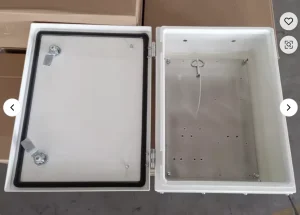
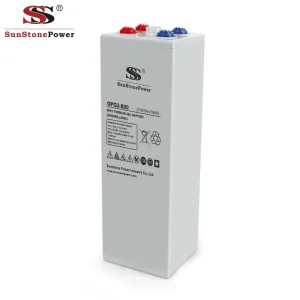
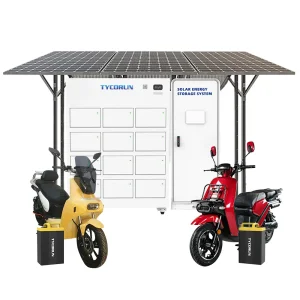
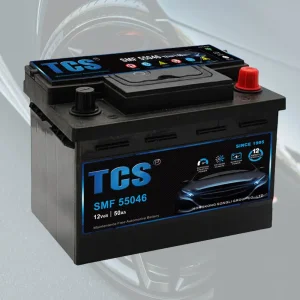
Energy systems operate under unique environmental and grid conditions. Sahnova engineers custom systems tailored to specific application scenarios, ensuring optimal thermal performance and regulatory compliance across diverse field installations.
Our high-voltage, high-capacity lithium iron phosphate systems help reduce energy expenses for commercial facilities. Designed with integrated smart BMS, they store energy during low-tariff hours and discharge it during peak periods, improving energy security and reducing costs.
Engineered for remote telecom base stations and high-temperature environments, our 12V 100Ah packs and deep-cycle tubular gel batteries replace standard lead-acid cells, offering longer lifetimes and fewer maintenance cycles under continuous heavy use.
For electric delivery fleets and public motorbikes, we build rapid-swap battery solutions that interface with cloud networks. Incorporating shockproof stainless-steel housings, these systems withstand vibration and repeated fast-charge operations.
Expert answers to critical engineering, safety, and supply chain questions for industrial battery purchasing managers.
 Sahnova Solar