Why Recycle and Dispose of Batteries Responsibly?

Time:2026-10-05 Author:Madeline
0%

Batteries power phones, laptops, toys, vehicles, and emergency equipment. They also contain materials that require careful handling after use. A swollen phone battery can split its casing, while a damaged lithium-ion cell may heat quickly. Even a small battery can create a serious fire risk when placed loosely with metal objects. That risk is easy to underestimate.

Learning how to recycle and dispose of batteries responsibly protects people, property, and the environment. Responsible disposal keeps batteries out of household trash and recycling bins that are not designed for them. It also allows specialized facilities to recover useful materials, including metals that can support future manufacturing. Local waste authorities, certified recycling programs, and battery collection points provide the most reliable guidance. Their instructions may differ by battery type and location.

Small choices matter.

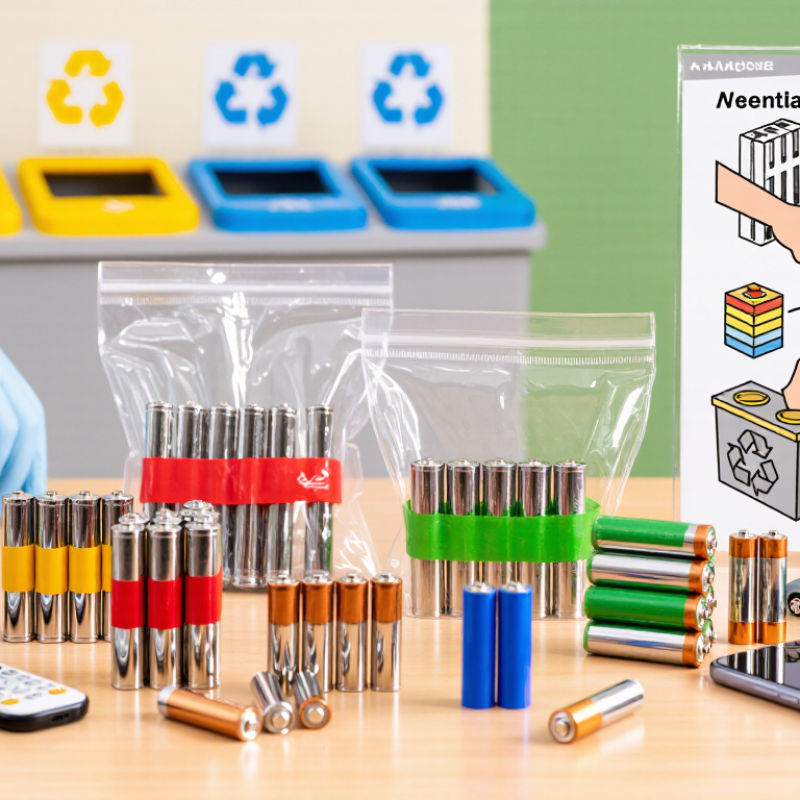
Before transport, cover exposed terminals with non-conductive tape or place each battery in a separate plastic bag. Do not crush, open, burn, or store damaged batteries indoors near heat. A leaking or swollen battery needs extra caution and should be isolated from combustible materials when safe to do so. Contact local officials or a qualified collection service for specific instructions. I have sometimes assumed that one universal rule applied everywhere; that assumption was careless. Collection requirements can change, and product labels may be unclear. Checking current guidance takes a few minutes, but it prevents avoidable mistakes. This guide explains the reasons behind responsible battery disposal and offers practical habits for safer everyday decisions.
Why Recycle and Dispose of Batteries Responsibly?

What Batteries Are and Why Their Materials Matter

Batteries are compact electrochemical devices.

They store energy through chemical reactions and release it as electrical current. Each battery contains an anode, cathode, electrolyte, separator, and metal collectors. These parts work together inside a sealed case, often unnoticed in a drawer or device.

The materials matter because they affect performance, safety, and recovery. Alkaline batteries commonly contain zinc and manganese compounds. Rechargeable batteries may contain lithium, nickel, cobalt, copper, aluminum, and graphite. These resources require mining, processing, and considerable energy. Some materials can also irritate skin, damage soil, or contaminate water if a battery leaks. The risks vary by battery type. That detail is easy to overlook.

A damaged battery can become warm, swollen, or corroded. Do not crush or open it. Keep loose batteries away from metal objects, especially during storage.

I once treated an old battery as harmless because it looked dry and clean. That assumption was careless. A recycling collection point can separate useful metals and manage damaged units more safely than ordinary waste handling. Local instructions still matter, because collection rules differ. Check the label before placing a battery in any container. Small steps help, though perfect sorting is not always realistic.

How Improper Battery Disposal Harms People and the Environment

Why Recycle and Dispose of Batteries Responsibly?

How Improper Battery Disposal Harms People and the Environment

When a battery enters a household bin, it may be crushed, punctured, or heated during collection. A damaged lithium-ion cell can ignite nearby waste, creating smoke and intense heat. Recycling facilities also face risks when loose terminals touch metal. One spark can start a larger fire.

Leaking batteries can release harmful substances into soil and water. Some battery types contain metals and chemicals that require controlled handling. Rain can carry pollutants into drains, rivers, and groundwater. Plants, insects, and aquatic organisms may be affected. The damage is often invisible at first.

People face risks in less obvious ways. Children may pick up a discarded button cell, while workers may handle damaged batteries without warning. At collection points, staff usually inspect, sort, and isolate batteries before processing them. Taping exposed terminals can reduce accidental contact, but it is not a complete solution. Batteries should go to approved collection services, not ordinary trash or recycling bins. I once assumed a nearly empty battery was harmless; that assumption was wrong. Even a weak battery can retain energy. Sorting systems are not perfect, either, so careful disposal remains important.

Which Batteries Can Be Recycled and Where They Go

Why Recycle and Dispose of Batteries Responsibly?

Not every battery follows the same recycling route. Rechargeable lithium-ion batteries, used in phones, laptops, and tools, are commonly accepted at specialized collection points. Nickel-metal hydride batteries may also enter these programs. Lead-acid batteries from vehicles usually go to dedicated automotive recycling facilities. Some alkaline batteries are accepted through local schemes, while others may be handled as household waste. Rules differ by location, so check the instructions before carrying a full bag to a collection site.

Where do the batteries go?

Collection staff first sort them by chemistry and condition. Damaged, swollen, or leaking batteries need separate handling. Workers may tape exposed terminals or place batteries in protective containers to reduce fire risks. Recyclers then dismantle safe units and recover materials such as nickel, cobalt, lithium, steel, and lead. These materials can return to industrial production instead of remaining buried or burned. I used to think an empty battery was harmless. That assumption was too simple. Even a weak battery can retain energy, especially when loose keys or coins touch its terminals.

Keep batteries cool and dry before delivery. Do not crush, open, or mix damaged cells with ordinary batteries. A local waste authority or certified recycling facility can explain the correct route for unusual types, including button cells and rechargeable packs. One small label can prevent a major mistake.

How to Prepare and Transport Batteries for Safe Recycling

Recycling batteries responsibly begins with careful preparation at home. Remove loose batteries from drawers and separate them by type when possible. Cover exposed terminals with nonconductive tape. This simple step reduces contact with coins, keys, and other metal objects. Store each battery in a small plastic bag or its original package. Keep the collection cool, dry, and away from children.

Do not transport batteries that are swollen, leaking, cracked, or unusually hot in a regular household container. Place the item away from flammable materials and contact an approved local recycling facility for specific instructions. Never put damaged batteries into household rubbish or a standard recycling bin. Facility staff may require special packaging or direct drop-off. Their guidance is more reliable than a generic online checklist.

Before leaving, check the facility’s accepted battery types and quantity limits. Secure the batteries so they cannot roll around during transport. A sturdy box with paper padding can prevent movement, but do not use loose metal items as spacers. Keep the box out of direct sunlight. Avoid leaving it inside a parked car, even briefly. I have underestimated how quickly a closed vehicle becomes hot; that mistake deserves more caution. Labels should remain visible, and mixed or unknown batteries should be identified honestly. If the instructions are unclear, pause and ask the facility before travelling.

Why Recycle and Dispose of Batteries Responsibly? - How to Prepare and Transport Batteries for Safe Recycling

Battery Type Typical Uses Materials Commonly Recovered Before Recycling Safe Transport Guidance Important Safety Note
Alkaline and zinc-carbon Remote controls, clocks, toys, flashlights Steel, zinc, manganese compounds and other recoverable metals Keep dry; separate leaking batteries; do not crush or dismantle Place in a sturdy, non-metal container; prevent movement and contact with liquids Never place damaged or leaking batteries in household recycling
Nickel-metal hydride (NiMH) Rechargeable household devices, cameras, cordless equipment Nickel, steel and other battery components Do not open the casing; keep terminals from touching metal objects Cover exposed terminals with non-conductive tape or use individual protective bags Use a collection program that specifically accepts rechargeable batteries
Nickel-cadmium (Ni-Cd) Older cordless tools, emergency lighting and industrial equipment Nickel, cadmium and steel; cadmium requires controlled handling Keep separate from other battery chemistries; do not break, burn or disassemble Use sealed, clearly managed collection packaging according to local requirements Cadmium is toxic; never dispose of these batteries in general waste
Lead-acid Vehicles, backup power systems and mobility equipment Lead, polypropylene plastic and sulfuric-acid-related materials Keep upright; inspect for cracks or leakage; do not drain the electrolyte Transport upright in a secured, leak-resistant container; protect terminals from short circuits Battery acid is corrosive and lead is toxic; use an authorized collection facility
Lithium-ion Phones, laptops, cameras, power tools and electric mobility devices Lithium-containing compounds, copper, aluminum, steel and plastics Do not puncture, crush or remove an integrated battery; back up and erase personal data from devices Tape terminals or place each loose battery in a separate plastic bag; use approved collection channels Short circuits can cause fire; do not place loose lithium batteries in trash or curbside recycling
Lithium primary Cameras, medical devices, sensors and emergency equipment Lithium-containing materials, steel and other metals Keep away from heat and moisture; protect terminals; never recharge a non-rechargeable cell Use non-conductive packaging that prevents contact, shifting and accidental activation Follow the receiving facility's instructions because transport rules may vary by battery size and quantity
Button and coin cells Watches, calculators, hearing devices, toys and small electronics Steel, lithium or alkaline compounds, and other recoverable metals Tape over both sides where practical; keep away from children and pets Collect in a closed container and prevent cells from rubbing against one another Swallowing a button cell can cause severe internal injury; seek emergency medical help immediately
Damaged, swollen, hot or leaking batteries Any chemistry or battery format Materials require specialist assessment and controlled processing Do not charge, use, bend, puncture, touch leaking material or place in water Isolate only if it can be done safely; contact the local fire authority or hazardous-waste service before transport If smoking, sparking or rapidly heating, evacuate the area and call emergency services
General preparation checklist: Identify the battery chemistry, keep batteries out of household trash unless local authorities explicitly permit it, protect terminals from short circuits, keep batteries cool and dry, and confirm acceptance and transport instructions with the local recycling or hazardous-waste program before delivery.

How Responsible Battery Disposal Supports a Circular Economy

Why Recycle and Dispose of Batteries Responsibly?

A used battery still contains useful materials, including metals that can re-enter manufacturing. Recycling helps recover these resources instead of requiring more mining. It also reduces the chance of fires in household bins, collection trucks, and waste facilities. Battery technicians often find damaged cells after they were crushed with ordinary rubbish. That risk is easy to underestimate. A circular economy depends on keeping materials in use for as long as possible. Proper disposal turns an unwanted battery into a potential source of recovered metals and components.

Tips: Keep batteries dry and away from heat. Do not place loose batteries in household waste. Cover exposed terminals with non-conductive tape, especially on lithium batteries. Store damaged, swollen, or leaking batteries separately and seek local disposal guidance. Use an authorised collection point that accepts the battery type. Local rules and facilities differ.

Small habits matter.

Rechargeable batteries may serve many cycles, but they eventually lose capacity. Choosing repair, replacement of individual cells where professionally permitted, or longer-lasting products can reduce waste.

Still, disposal instructions are not always clear, and collection systems can be inconvenient. That weakness deserves attention from households, manufacturers, and local authorities. I sometimes keep exhausted batteries in a drawer longer than necessary, thinking I will sort them later. That is not ideal. A labelled container near the exit makes responsible recycling easier and more consistent.

FAQS

What materials are commonly found in batteries?

Batteries may contain zinc, manganese, lithium, nickel, cobalt, copper, aluminum, graphite, and other materials.

Why do battery materials matter?

Materials influence performance, safety, and recycling value. Some can irritate skin or pollute soil and water after leaks.

Why should batteries stay out of household waste?

Collection trucks may crush or heat batteries. Damaged cells can spark fires and release intense heat.

Can a nearly empty battery still be dangerous?

Yes. A weak battery may retain energy. I once assumed otherwise, and that judgment was careless.

How should loose batteries be stored?

Keep them dry and away from heat. Separate them from coins, keys, and other metal objects.

Should exposed battery terminals be covered?

Cover exposed terminals with non-conductive tape, especially on lithium batteries. Tape helps, but it is not perfect.

What should I do with a swollen or leaking battery?

Do not crush or open it. Store it separately and seek local disposal guidance promptly.

Where should used batteries be taken?

Use an authorised collection point that accepts the battery type. Local rules and facilities differ.

How does battery recycling support a circular economy?

Recycling recovers useful metals and reduces demand for new mining. It also lowers fire risks during waste handling.

How can households recycle more consistently?

Place a labelled container near the exit. I sometimes delay sorting batteries, which is not ideal. Small habits matter.

Conclusion

Batteries store energy through chemical materials that can be useful but may also become harmful when damaged or discarded incorrectly. Some batteries contain metals and other substances that can pollute soil and water, release hazardous materials, or create fire risks for people and waste workers. Learning how to recycle and dispose of batteries responsibly helps reduce these dangers and protects the environment.

Many common household, rechargeable, and specialized batteries may be accepted through designated recycling programs, where they are sorted and processed to recover valuable materials. Before transport, batteries should be kept dry, protected from damage, and separated from other waste according to local collection guidance. Responsible disposal keeps batteries out of landfills, supports the recovery and reuse of resources, and strengthens a circular economy in which materials remain useful for as long as possible.

Madeline

Madeline

Madeline is a dedicated marketing professional with a wealth of expertise in our company's core offerings. With a keen understanding of the industry, she brings a unique perspective to her role, consistently delivering high-quality content that highlights the superior aspects of our products. As......