7 Best Signs of a Failing Battery to Watch For

Time:2026-11-04 Author:Charlotte
0%

A weak car battery rarely fails without warning, but its clues can be easy to miss. The engine may crank slowly on a cold morning, headlights may dim at idle, or a rapid clicking sound may replace the usual start. Small changes matter. AAA’s roadside-assistance reporting identifies battery trouble as a recurring reason drivers need help. Battery Council International (BCI) also notes that battery service life varies with use, climate, and maintenance, so age alone cannot confirm a failure. A battery can be young and unreliable.

So, what are the signs of a failing battery? This guide examines seven practical warning signs, from dashboard alerts and corroded terminals to repeated jump-starts and a swollen case. Look for patterns, not one isolated symptom. A dim light could point to a charging-system fault, while a slow start may have other causes. That distinction matters. A warning sign is not a diagnosis. When symptoms appear, a technician can test the battery and charging system with appropriate equipment; a quick visual check cannot measure battery health reliably. These details help you act before a quiet driveway turns into an inconvenient no-start. They also help you describe the problem clearly when seeking professional advice. Even then, testing may not explain every intermittent fault. That is worth remembering.
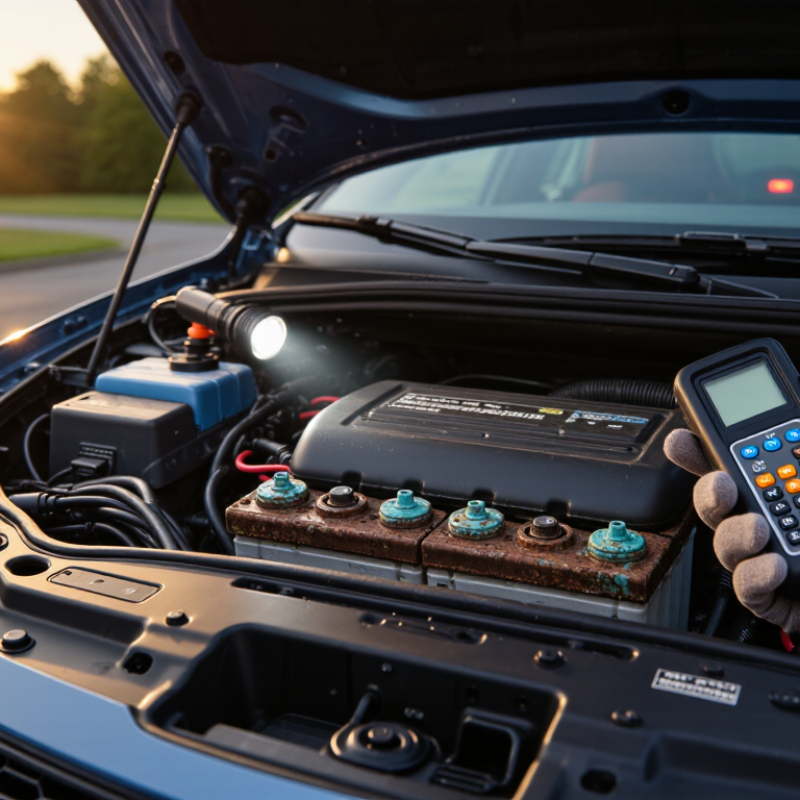
7 Best Signs of a Failing Battery to Watch For

Understanding Battery Failure and the Conditions That Cause It

A failing battery usually loses reserve capacity before it stops working altogether. Slow cranking on a cool morning, dim headlights at idle, or repeated jump-starts can point to trouble. So can a swollen case, corrosion around the terminals, or a battery warning light. None proves the battery is the cause; a loose connection or charging-system fault can look similar. A dashboard light is a clue, not a diagnosis.

Temperature and short trips can hasten trouble. AAA’s winter-driving guidance reports that a battery can lose about 35 percent of its strength at 32°F, while an engine may need about 30 percent more starting power. At 0°F, the battery can lose about 60 percent, and the engine may need roughly twice the power. That strain exposes weak cells.

Repeated brief drives may also leave too little time to replace the charge used during starting. Heat matters, too: it can accelerate internal battery aging, though the rate depends on design and use.

Have a technician test voltage and starting capacity, then inspect the charging system. Even a clean terminal can hide a tired battery. The test is imperfect, but guessing from one symptom is worse.

Recognizing Slow Starts and Trouble Holding a Charge

A tired battery often announces itself through slower cranking, especially after the car sits overnight. The starter may turn unevenly while dashboard lights briefly dim. Listen closely. A single sluggish start does not prove battery failure; cold weather, corroded terminals, or charging faults can mimic it. ADAC’s 2024 Pannenstatistik attributed 44.1% of roadside breakdowns to starter-battery problems. That figure describes breakdown calls, not the odds for your individual car. AAA guidance puts typical battery life at roughly three to five years, though heat and repeated deep discharges can shorten it.

Trouble holding a charge may show up as repeated weak starts after short trips or overnight parking. If a jump-start helps only briefly, have both the battery and charging system tested. A voltage reading alone can miss reduced capacity; a proper load or conductance test gives a clearer picture. Check the battery’s date label, keep terminals clean and tight, and notice whether interior lamps stay on. It is easy to blame the battery too quickly. That uncertainty matters: replacing a healthy battery will not fix a failing alternator or an electrical drain.

7 Best Signs of a Failing Battery to Watch For — Recognizing Slow Starts and Trouble Holding a Charge

Sign What You May Notice Possible Explanation Practical Next Step
Slow engine cranking The engine turns over more slowly than usual, especially after the vehicle has been parked overnight. A weak or undercharged battery may not deliver enough current to the starter. Have the battery and charging system tested. If the vehicle will not start, use a safe jump-start procedure or call for assistance.
Clicking when starting You hear rapid clicks or a single click, but the engine does not crank normally. Low battery charge is one possibility; loose or corroded connections and starter problems can cause similar symptoms. Check that the battery connections are secure and free of visible corrosion, then arrange a battery and starting-system test.
Repeated need for a jump-start The vehicle starts with a jump but struggles again after being switched off or parked for a short time. The battery may no longer hold charge, or a charging-system fault or electrical drain may be present. Get the battery, alternator, and vehicle electrical system checked rather than relying on repeated jump-starts.
Dim or flickering lights Headlights, dashboard lights, or interior lights appear unusually dim, particularly at idle or during startup. Low battery voltage can affect electrical equipment, although a charging-system or wiring issue may also be responsible. Note whether the lights change with engine speed and ask a technician to test the battery and charging output.
Electrical accessories behaving inconsistently Power windows, infotainment, or other electrical features operate slowly, reset, or work intermittently. Unstable or insufficient voltage can affect accessories; poor connections or a vehicle-specific fault are also possible. Arrange a voltage and connection check, especially if several electrical symptoms occur together.
Battery warning light stays on A battery-shaped warning light remains illuminated while the engine is running. This warning often indicates a charging-system problem; it does not by itself confirm that the battery is the cause. Have the vehicle inspected promptly. Avoid unnecessary driving if electrical systems are failing or the engine may stall.
Swollen, leaking, or damaged battery case The battery case looks bulged, cracked, or wet around the terminals, or there is a strong unusual odor. Physical damage, overheating, or internal failure may make the battery unsafe to handle. Do not touch leaking material or attempt to charge a damaged battery. Keep away from sparks and arrange professional service.

Note: These symptoms can have causes other than a failing battery. A professional battery and charging-system test can help identify the source.

Noticing Dimming Lights, Flickering Displays, and Sudden Shutdowns

A failing battery often gives small visual warnings before the engine refuses to start. Headlights may look unusually dim at idle, then brighten when the engine revs. Interior lights can also fade when you turn the key or switch on the heater. Small clues matter. A quick change in brightness can point to a weak battery, but loose connections or a charging-system problem can cause similar symptoms. Note when the dimming happens and whether it affects several lights at once.

Flickering dashboard displays deserve attention, especially if the clock resets or warning lights appear briefly during startup. Sudden shutdowns are more serious: a vehicle that stalls or loses electrical power should be checked promptly, since the battery may not be the only cause. A weak battery can struggle under load even if the car started earlier that day. That part is easy to miss. Keep track of repeated symptoms rather than relying on one unusual moment, and arrange a battery and charging-system test. Avoid repeated jump-starts as a substitute for diagnosis; they may get the car moving without revealing the underlying fault.

Checking for Warning Lights, Swelling, Heat, or Battery Leaks

A battery warning light deserves attention, but it does not prove the battery itself has failed. It can signal a charging-system problem, such as a loose connection or failing alternator. AAA’s automotive guidance puts typical car-battery life at about three to five years; heat and repeated deep discharges can shorten it. Age is a clue, not a diagnosis. Watch for slow cranking, dim headlights, or a light that stays on while driving.

Look for a case that bulges outward, especially along its sides or top. Swelling can indicate overheating or internal damage. The battery should not feel unusually hot after normal driving. A rotten-egg smell, damp patches, or crusty residue near the terminals may point to a leak. Do not touch the fluid or try to open the case. Keep your face away. If the battery is swollen, hot, or leaking, stop using the vehicle when safe and arrange a professional inspection. A quick visual check helps, but it cannot confirm the cause; even a warning light can mislead.

Testing Battery Health and Identifying When Replacement Is Needed

A failing battery often gives small warnings before it leaves you stranded. The engine may crank slowly, especially on a cold morning. Headlights can dim at idle, then brighten when the engine revs. You may also notice repeated jump-starts, a battery warning light, or electronic settings that reset. A swollen case or strong sulfur-like smell needs prompt attention; avoid handling a damaged battery.

Testing is more reliable than guessing from age or appearance. With the vehicle off, a digital multimeter can check voltage across the battery terminals. A fully charged, conventional 12-volt lead-acid battery often reads near 12.6 volts at rest, though temperature and battery type affect results. A low reading may mean discharge, not failure. That distinction matters. Have the battery charged and tested under load, since a weak battery can show acceptable resting voltage but struggle during startup. A technician can also check the charging system, which may be causing repeated discharge.

Tips: Check the terminals for loose connections or crusty buildup, but wear eye protection and follow the vehicle manual. Don’t rely on one reading. If slow starts return after a full charge, or a load test fails, replacement is likely. I’d still check the alternator before buying a battery; that step is easy to overlook.

7 Best Signs of a Failing Battery to Watch For

Testing Battery Health and Identifying When Replacement Is Needed

Typical warning signs include slow engine cranking, dim or flickering lights, a battery warning light, clicking when starting, frequent jump-starts, a swollen battery case, and a battery that is several years old. These signs are clues, not a diagnosis.

The chart shows approximate benchmarks for a 12-volt lead-acid battery: resting voltage depends on state of charge, while 9.6 V is a common minimum during a standardized load test at about 70°F (21°C). Temperature, battery design, and test conditions affect readings. Have the battery tested before replacing it.

FAQS

What are common signs of a failing car battery?

Slow cranking, dim headlights at idle, repeated jump-starts, or resetting electronic settings can signal trouble. A dashboard light is only a clue.

Does one sluggish start mean the battery is failing?

Not necessarily. Cold weather, corroded terminals, or a charging fault can cause similar symptoms. One start is not a diagnosis.

How can cold weather affect battery performance?

At 32°F, a battery may lose about 35 percent of its strength. At 0°F, it may lose about 60 percent.

Can short drives make a battery go flat?

Yes. Brief trips may not replace the charge used during starting. Repeated weak starts after overnight parking deserve attention.

How long does a typical car battery last?

Roughly three to five years is common, but heat and repeated deep discharges can shorten its life. Age alone proves little.

What is a useful way to test battery health?

A load or conductance test checks starting capacity. A resting voltage reading alone can miss a weak battery.

What does a resting reading near 12.6 volts mean?

It is common for a fully charged, conventional 12-volt lead-acid battery. Temperature and battery type affect the result.

What should I check before replacing the battery?

Check for loose or corroded terminals, then have the charging system tested. An alternator fault can drain a healthy battery.

What should I do if the battery case is swollen?

Avoid handling it and seek prompt professional attention. It may be damaged. Don’t rely on guesswork.

Conclusion

A failing battery often develops problems gradually, and age, extreme temperatures, frequent short trips, or leaving electrical systems running can speed up its decline. If you’re wondering what are the signs of a failing battery, pay attention to a vehicle that cranks slowly, struggles to start, or needs repeated jump-starts. A battery that cannot hold its charge may also leave you with an unreliable vehicle after it has been parked.

Other clues can include headlights that dim, dashboard displays that flicker, or electrical features that shut down unexpectedly. A battery warning light, a swollen case, unusual heat, or visible leakage calls for prompt attention; avoid handling a damaged or leaking battery. Testing the battery’s condition can help confirm whether it is still able to hold and deliver power. If it repeatedly fails a test or the symptoms persist, replacement may be needed before the vehicle becomes difficult to start.

Charlotte

Charlotte

Charlotte is a seasoned marketing professional with a deep understanding of the company's portfolio and a passion for elevating its presence in the market. With a keen eye for detail and a commitment to excellence, she ensures that our professional blog is regularly updated with insightful articles......