China Best How to Choose a Battery for Off Grid Systems?

Time:2026-09-15 Author:Henry
0%

Choosing the right battery can determine whether an off-grid system feels dependable or frustrating. The question is simple: how to choose a battery for off-grid power systems? The answer depends on daily energy use, peak loads, climate, budget, and maintenance expectations. A small cabin may need a 5 kWh battery, while a workshop with pumps and freezers may require much more storage. Calculate real consumption from appliances, not optimistic estimates. Include inverter losses and several cloudy days. Otherwise, the system may fail before sunrise.

Lithium iron phosphate batteries usually offer high usable capacity, long cycle life, and limited routine maintenance. Lead-acid batteries can cost less initially, but they need careful charging and should not be deeply discharged repeatedly. Check the battery’s continuous output, surge rating, voltage, usable capacity, battery management system, and operating temperature range. A 48-volt battery bank often reduces cable current and heat in larger installations. On a cold winter morning, however, charging limits can become important. Read the manufacturer’s technical data and warranty conditions carefully. Independent testing or recognized safety certifications add confidence. Reliable suppliers should provide clear specifications, installation guidance, and responsive technical support.

Small details matter.

Do not size a battery from marketing claims alone. A quoted 10 kWh capacity may not mean 10 kWh of practical storage. I have seen planning sheets overlook startup surges from refrigerators and water pumps. That mistake is easy to repeat. Recheck the assumptions, compare seasonal demand, and leave reasonable reserve capacity. The best choice is not always the largest battery. It is the battery that matches the system, location, safety requirements, and everyday habits.
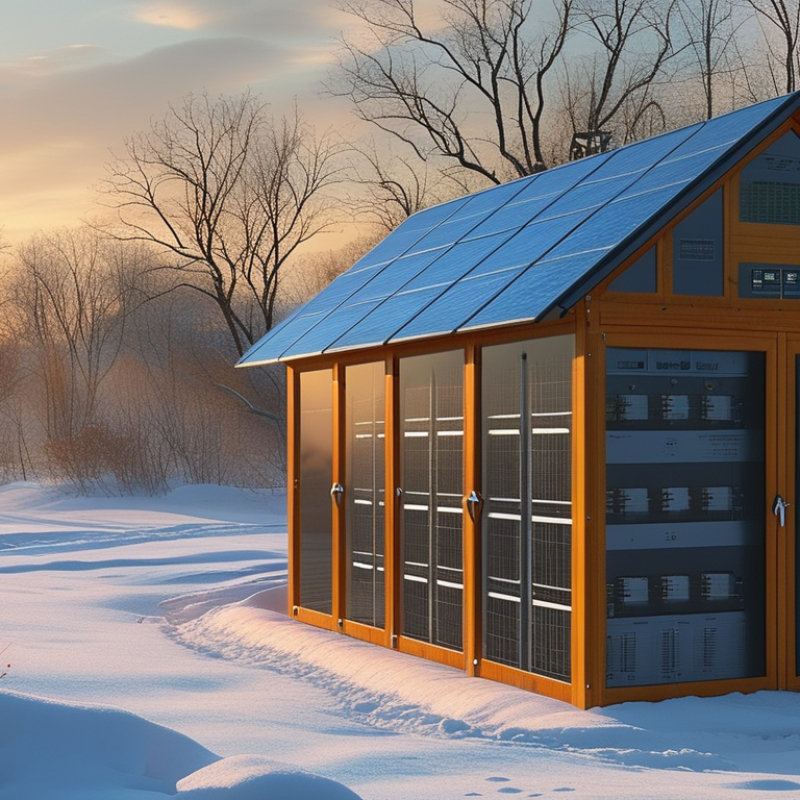
China Best How to Choose a Battery for Off Grid Systems?

Understanding Off-Grid Energy Needs and Battery Requirements

How to Choose a Battery for Off-Grid Systems

Off-grid planning begins with energy needs, not battery chemistry. List daily loads, including lights, refrigeration, pumps, and communication devices. Record their wattage and operating hours. A small water pump may demand more starting power than its running rating suggests. Measure where possible. Memory is unreliable.

Assume a cabin uses 3 kWh daily and needs two cloudy days. With 80% usable capacity and 90% system efficiency, the battery should provide about 8.3 kWh nominal capacity. Add inverter surge requirements, winter heating loads, and future equipment. Cold temperatures can reduce available capacity, especially during early morning starts.

NREL’s Annual Technology Baseline reports typical lithium-ion battery round-trip efficiency near 85% to 90%, but real systems lose energy through inverters, wiring, and standby consumption. The International Energy Agency’s Batteries and Secure Energy Transitions report states that global battery storage capacity must expand dramatically by 2030 to support renewable growth.

Off-grid users face the same challenge at a smaller scale: storage must bridge generation gaps safely and repeatedly. It is not perfect math. Clouds, aging cells, and unexpected guests change the result.

Choose monitoring, thermal protection, and an appropriate battery management system, not only the lowest price. Sodium-ion options may suit some conditions, but field history remains less extensive than lithium-based systems.

Check local temperatures, maintenance access, warranty terms, and recycling arrangements before purchasing. A battery that fits the spreadsheet may still fail beside a dusty inverter.

Comparing Battery Chemistries for Off-Grid Applications

Choosing a battery for an off-grid system starts with chemistry, not marketing. Lead-acid batteries remain affordable and familiar, but they usually deliver only 50% usable depth of discharge. IRENA’s Electricity Storage and Renewables report places lead-acid round-trip efficiency near 80–85%, compared with about 90–95% for lithium-ion systems. That difference becomes visible on cloudy days.

Lithium iron phosphate offers strong cycle durability, stable thermal behavior, and higher usable capacity. A properly managed unit may support 3,000–6,000 cycles, depending on temperature, charging limits, and discharge depth. Lithium nickel manganese cobalt cells can provide higher energy density, but off-grid installations often gain little from saving space. Safety management must be carefully engineered. The U.S. Department of Energy recommends validated testing and battery-management controls for stationary storage systems.

Sodium-ion batteries deserve attention where cold performance and material availability matter. Their energy density is generally lower, so the cabinet may become larger. Lead-acid also needs ventilation, regular inspection, and careful charging. Lithium systems usually need less routine labor, though replacement electronics can be costly. BloombergNEF reported that average lithium-ion pack prices fell to 115 dollars per kilowatt-hour in 2024, a 20% annual decline. That figure reflects broad battery markets, not every remote installation.

Field sizing is still imperfect. I often see winter demand underestimated. A small freezer, pump, and inverter can quietly consume more energy than expected. Weight matters. So does local service.

Calculating Battery Capacity, Voltage, and Usable Storage

Choosing a battery for an off-grid system starts with measured energy use, not a guessed battery size. Record daily loads, starting currents, and seasonal changes.

A practical calculation is: required capacity = daily energy × backup days ÷ (maximum depth of discharge × system efficiency).

For example, 3 kWh per day for two days, with 80% usable discharge and 90% efficiency, requires about 8.3 kWh of nominal storage. At 48 volts, that equals roughly 174 Ah. The battery must also handle the inverter’s short-term surge.

Voltage should match the system architecture and equipment ratings.

Higher voltage usually reduces current and cable losses, but it demands suitable protection and installation practices. Usable storage is not the label capacity.

A 10 kWh battery limited to 80% discharge provides about 8 kWh before conversion losses.

Cold temperatures can reduce performance, so local climate belongs in the calculation.

A spreadsheet helps, but it can still mislead when real usage changes.

Tips:

Add a safety margin of about 10–20%, then review it after one month of operation. Check cable length, fuse ratings, charging limits, and inverter compatibility.

Do not size only for sunny days. Cloudy weather exposes weak assumptions.

A smaller battery may work with strict load control, while a larger one may be wasteful if it remains undercharged. Recheck the design with actual meter readings.

Evaluating Battery Lifespan, Safety, and Environmental Conditions

China Best: How to Choose a Battery for Off-Grid Systems?

Evaluating Battery Lifespan, Safety, and Environmental Conditions

A suitable off-grid battery should match daily energy use, peak loads, and local weather. Lithium iron phosphate batteries often provide long service life, but cycling depth matters. Regularly discharging to 100% can accelerate wear. A practical design usually keeps normal discharge below the manufacturer’s recommended limit. Check cycle data at the actual temperature and discharge rate. Laboratory figures can look better than real conditions.

Safety requires more than a battery enclosure. Choose a system with battery management, over-current protection, temperature monitoring, and tested electrical components. Keep terminals dry and cables properly sized. Install the battery away from direct sunlight, standing water, and combustible materials. Ventilation requirements depend on battery chemistry. Follow local electrical codes and use a qualified installer. Small installation errors can create serious heat.

Tips: Measure the coldest and hottest site temperatures before buying. Provide shade in hot climates and insulation in cold areas. Control humidity, dust, and condensation. Leave service access around the enclosure. Review the warranty’s cycle, temperature, and storage conditions. A spreadsheet may predict ten years, but poor charging habits can shorten that period. I would also recheck the design after one season; actual loads are often higher than early estimates.

China Best How to Choose a Battery for Off Grid Systems? - Evaluating Battery Lifespan, Safety, and Environmental Conditions
Battery Chemistry Typical Service Life Typical Cycle Life Recommended Depth of Discharge Safety Characteristics Environmental Conditions Maintenance Requirements Energy Efficiency Best-Fit Off-Grid Applications
Flooded Lead-Acid 3–7 years, depending on temperature, charging quality, and cycling pattern. Approximately 500–1,200 cycles at moderate depth of discharge. Usually limited to about 50% for regular operation to reduce sulfation and premature aging. Contains corrosive electrolyte and can release hydrogen gas during charging. Requires ventilation and protection from sparks and open flames. Performance decreases in cold weather. High temperatures accelerate corrosion and water loss. Must be protected from freezing when deeply discharged. Regular electrolyte-level checks and distilled-water replenishment are normally required. Terminals should be inspected for corrosion. Typically about 75–85% round-trip efficiency. Cost-sensitive installations with a ventilated battery room and routine maintenance capability.
AGM Lead-Acid 4–8 years under suitable operating conditions. Approximately 500–1,000 cycles, depending on discharge depth and temperature. About 50% is commonly used as a practical design limit; deeper discharges reduce service life. Sealed and normally maintenance-free, but it still requires correct charging and adequate ventilation. Overcharging can cause pressure release or damage. Works in a broader range of mounting environments than flooded batteries, but high temperatures still shorten life. Charging below freezing should be controlled. No routine water addition. Periodic inspection of terminals, cables, enclosure, and charger settings is recommended. Typically about 75–85% round-trip efficiency. Small to medium off-grid systems where low maintenance and sealed construction are priorities.
Gel Lead-Acid 5–10 years when correctly charged and operated at moderate temperatures. Approximately 600–1,200 cycles, depending on design and discharge depth. About 50% is commonly recommended for routine use. Sealed and spill-resistant. It is sensitive to overvoltage, which can create permanent gas pockets and reduce capacity. Performs well in moderate-temperature environments. Charging below freezing and exposure to sustained high heat require careful controls. Generally maintenance-free, but the charging profile must match gel battery specifications. Typically about 75–85% round-trip efficiency. Remote systems requiring sealed construction and moderate cycling, especially where ventilation is limited but proper charging control is available.
Lithium Iron Phosphate (LFP) 8–15 years, depending on operating temperature, charge rate, and usable capacity range. Approximately 2,000–6,000 cycles; actual results vary by cell design and operating conditions. Commonly 80–90% usable for daily cycling when permitted by the battery manufacturer and battery-management system. Thermally more stable than many other lithium-ion chemistries, but it still requires a battery-management system, overcurrent protection, and correct installation. High temperatures accelerate aging. Charging below 0°C can damage cells unless the system includes low-temperature charge protection or heating. Operating limits must follow the manufacturer’s specifications. Normally maintenance-free. Periodic checks of the battery-management system, connections, enclosure, and firmware or alarms are recommended. Typically about 90–98% round-trip efficiency. Frequent-cycling solar systems, compact installations, and applications where high usable capacity, long life, and low maintenance are important.
Values are practical industry ranges rather than guarantees. Actual performance depends on battery quality, system sizing, charging voltage, discharge rate, ambient temperature, ventilation, installation, and maintenance. Always follow the battery manufacturer’s specifications and applicable electrical-safety standards.

Selecting a Reliable Battery Supplier and Installation Setup

China Best How to Choose a Battery for Off Grid Systems?

Selecting a reliable battery supplier is as important as choosing the battery chemistry. In practical off-grid projects, supplier communication often reveals more than a polished catalog. Ask for cell specifications, factory test records, cycle-life conditions, warranty limits, and replacement procedures. A dependable supplier should explain performance at different temperatures, not only provide peak figures. Confirm whether the battery management system matches your inverter and charging equipment. Request clear documentation. Vague answers deserve caution.

Installation quality directly affects safety, service life, and daily energy output. Check the battery voltage, usable capacity, cable size, fuse rating, and communication settings before connecting anything. Keep the battery on a stable, dry surface with suitable ventilation and temperature control. Leave enough space for inspection and future replacement. In one common mistake, installers focus on capacity but overlook uneven cable lengths between parallel batteries. This can create unequal charging. I would also review the design after commissioning, because the first setup is rarely perfect.

Tips: Choose a supplier that offers technical support during installation, not only sales assistance. Photograph cable connections and record initial voltage readings. Test the system under a real evening load. Do not trust estimates alone. Review alarm records after several days. Small details matter.

FAQS

How do I estimate the battery size for an off-grid system?

Record each load, wattage, and operating time. Include lights, refrigeration, pumps, and communication devices. Measure actual use when possible. Memory misleads. Use this formula: daily energy × backup days ÷ usable discharge ÷ system efficiency. A cabin using 3 kWh daily for two cloudy days may need about 8.3 kWh nominal storage.

How much battery capacity remains usable?

Label capacity is not fully available. A 10 kWh battery limited to 80% discharge provides about 8 kWh before conversion losses. Inverters, cables, and standby equipment consume additional energy. Real capacity changes with temperature and battery age. The spreadsheet is only an estimate.

What voltage should an off-grid battery use?

Battery voltage should match the inverter, charge equipment, and system design. Higher voltage can reduce current and cable losses. It also requires suitable protection and careful installation. Check every equipment rating before connecting anything. Compatibility matters.

How should I account for inverter surge power?

Pumps, refrigerators, and other motors may require high starting power. Their running wattage can hide this demand. Check the inverter’s short-term surge rating and the battery’s discharge limit. A small pump may start like a much larger load. Test where practical.

Should I add extra battery capacity?

Add roughly 10–20% for uncertainty, seasonal changes, and aging. Include winter heating, cloudy periods, and future equipment. Do not design only for sunny days. Clouds expose weak assumptions. Review the design after one month of meter readings.

How does temperature affect off-grid batteries?

Cold conditions can reduce available capacity, especially during early morning starts. High temperatures may accelerate battery aging. Measure the site’s hottest and coldest temperatures. Provide shade in hot areas and insulation in cold locations. Weather can defeat neat calculations.

Which safety features should an off-grid battery system include?

Look for battery management, over-current protection, temperature monitoring, and tested electrical components. Use correctly sized cables and fuses. Keep terminals dry and the enclosure away from standing water. Avoid direct sunlight and combustible materials. Small installation errors can create serious heat.

How can I improve battery lifespan?

Avoid regular deep discharges beyond the recommended limit. Check cycle data at the expected temperature and discharge rate. Maintain suitable charging limits and review warranty conditions. Control dust, humidity, and condensation. A predicted ten-year life may be optimistic.

What should I consider before choosing a battery chemistry?

Lithium iron phosphate batteries often offer long service life, but operating conditions still matter. Sodium-ion options may suit some environments, though field experience is less extensive. Compare temperature performance, maintenance access, recycling arrangements, and warranty terms. The lowest price is not always the lowest cost.

Conclusion

Choosing the right battery is essential for building a dependable off-grid power system. Start by assessing daily energy consumption, peak loads, backup requirements, and available renewable energy sources. These factors determine the battery’s required voltage, capacity, and usable storage. When comparing battery chemistries, consider energy density, charging efficiency, depth of discharge, maintenance needs, cost, and suitability for frequent cycling. Understanding how to choose a battery for off-grid power systems helps ensure the storage solution matches both current demands and future expansion plans.

Battery lifespan and safety are equally important. Select a system with suitable protection features, stable performance, and the ability to operate reliably under local temperature and humidity conditions. Proper ventilation, wiring, charge control, and installation space should also be evaluated before purchase. Finally, choose a dependable supplier that provides clear technical specifications, warranty support, installation guidance, and after-sales service. A carefully planned battery system can improve energy independence, reduce maintenance challenges, and deliver consistent power in remote locations.

Henry

Henry

Henry is a dedicated marketing professional with a profound expertise in the company's offerings. With years of experience in the industry, he possesses an impressive understanding of the market dynamics and consumer behaviors that drive success. Henry is committed to sharing his insights through......